
Last updated October 17, 2026
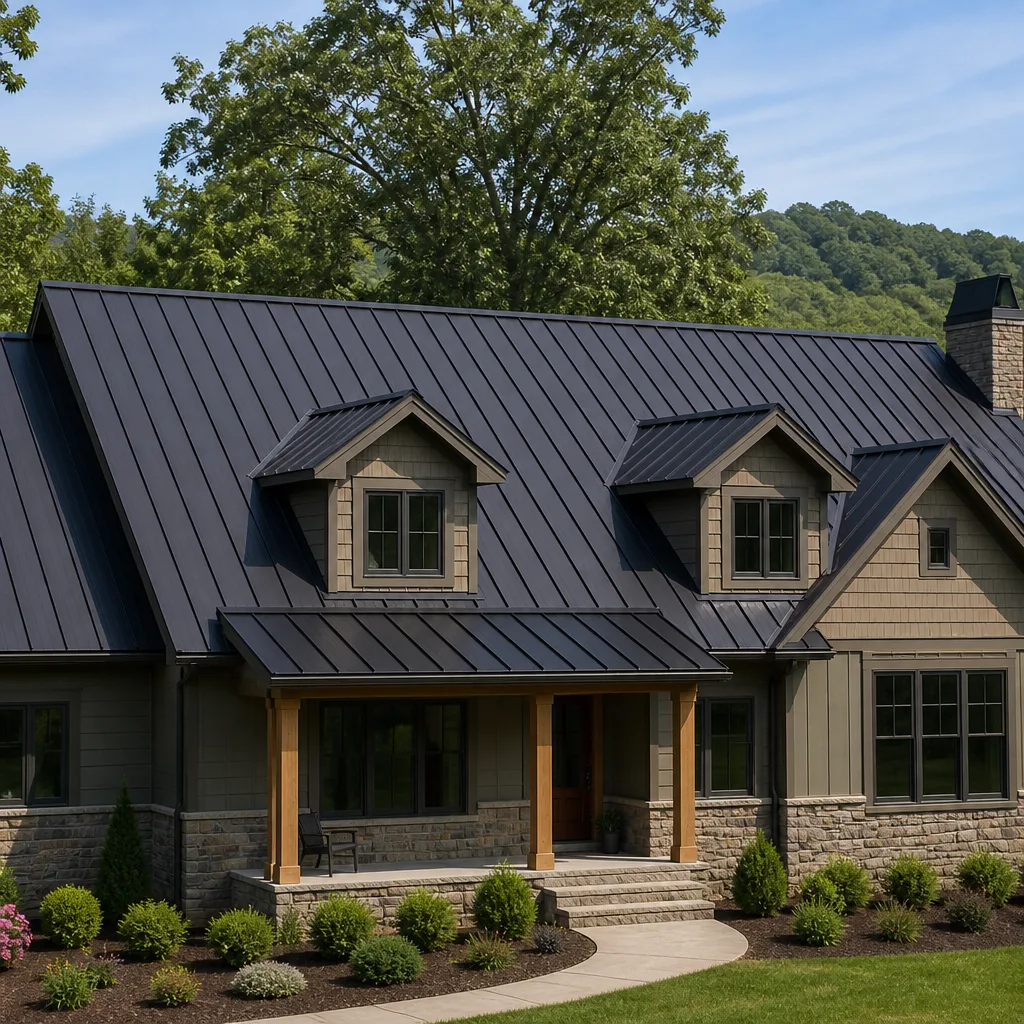 Metal roofing
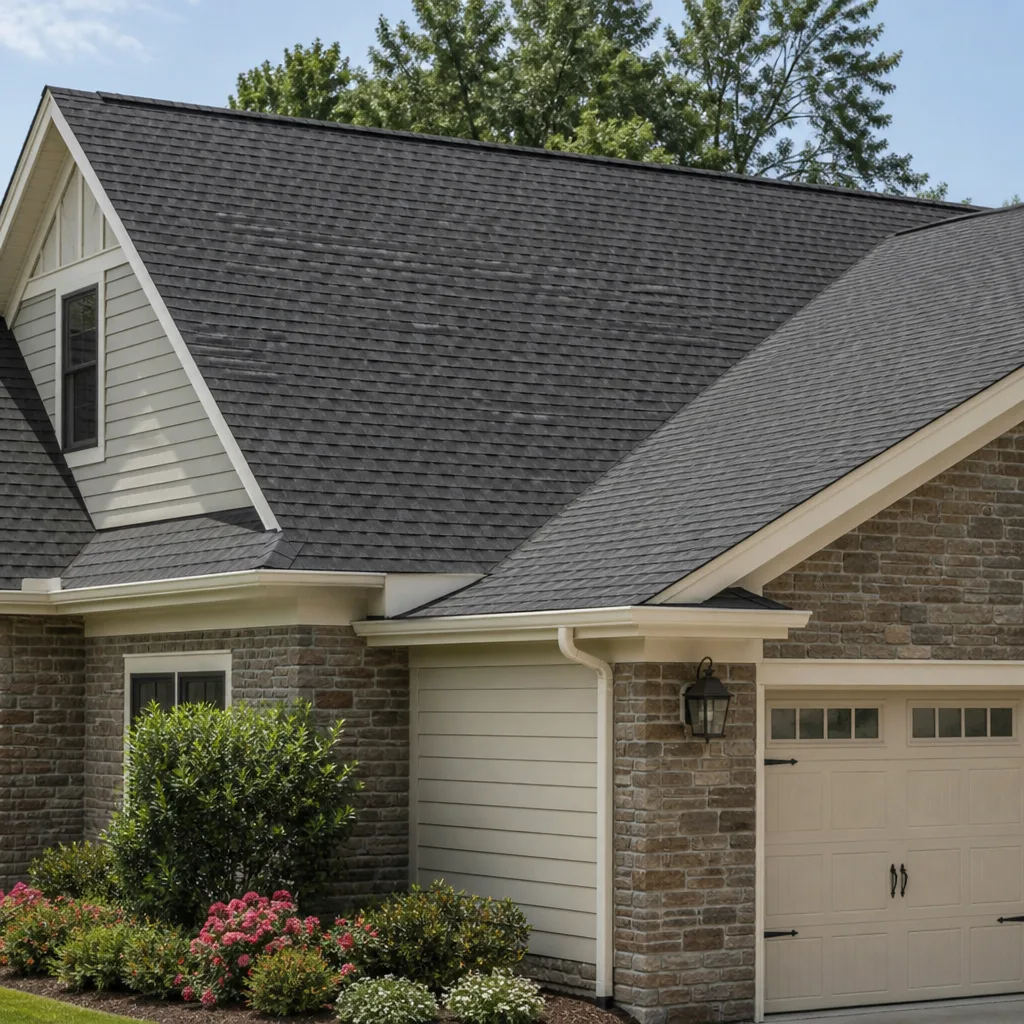 Architectural shingles
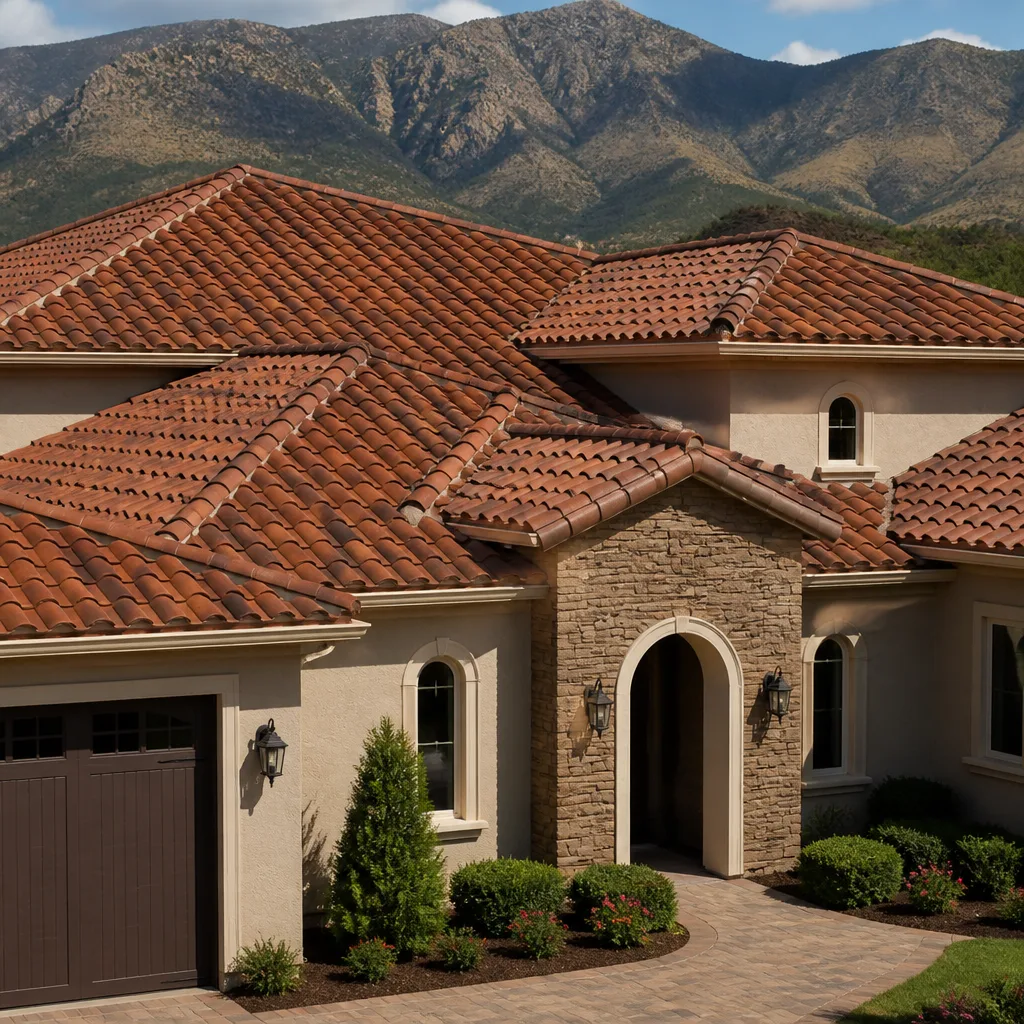 Tile roofing
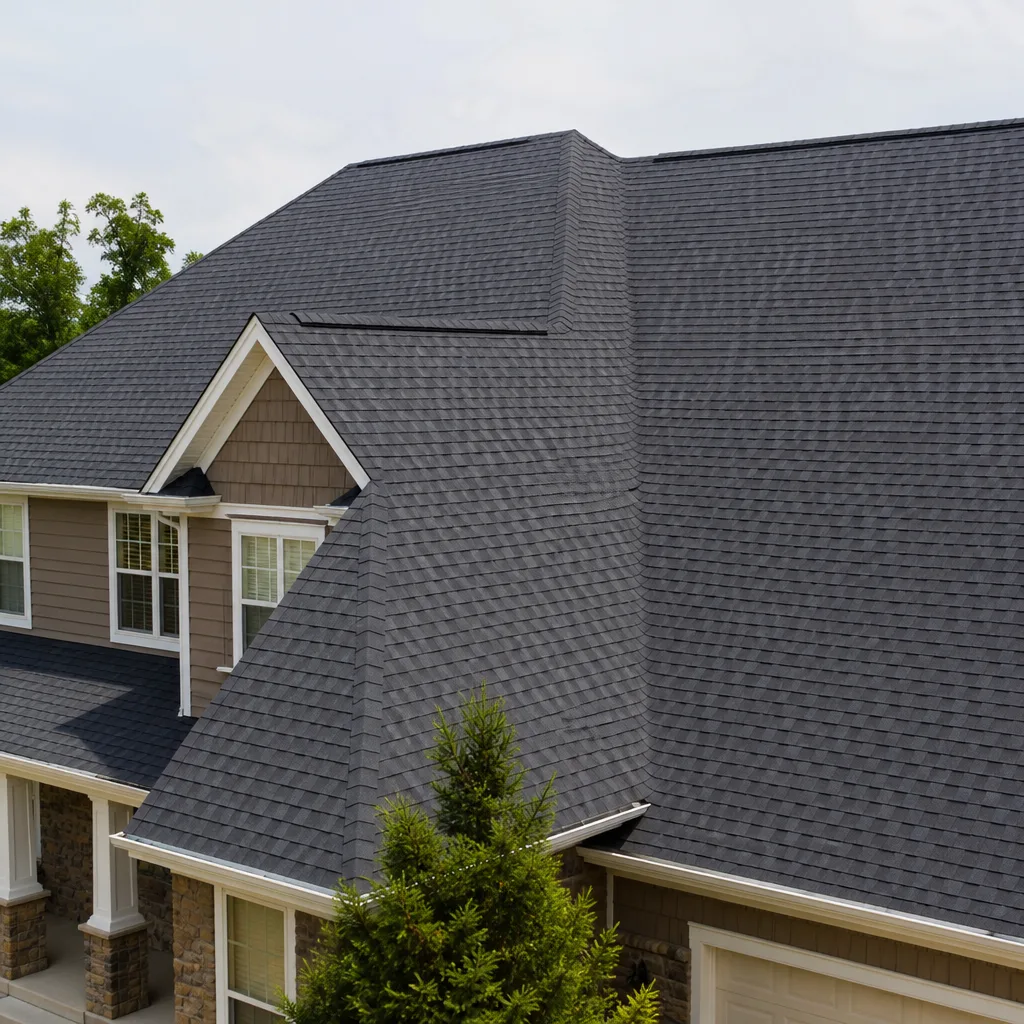 GAF
GAF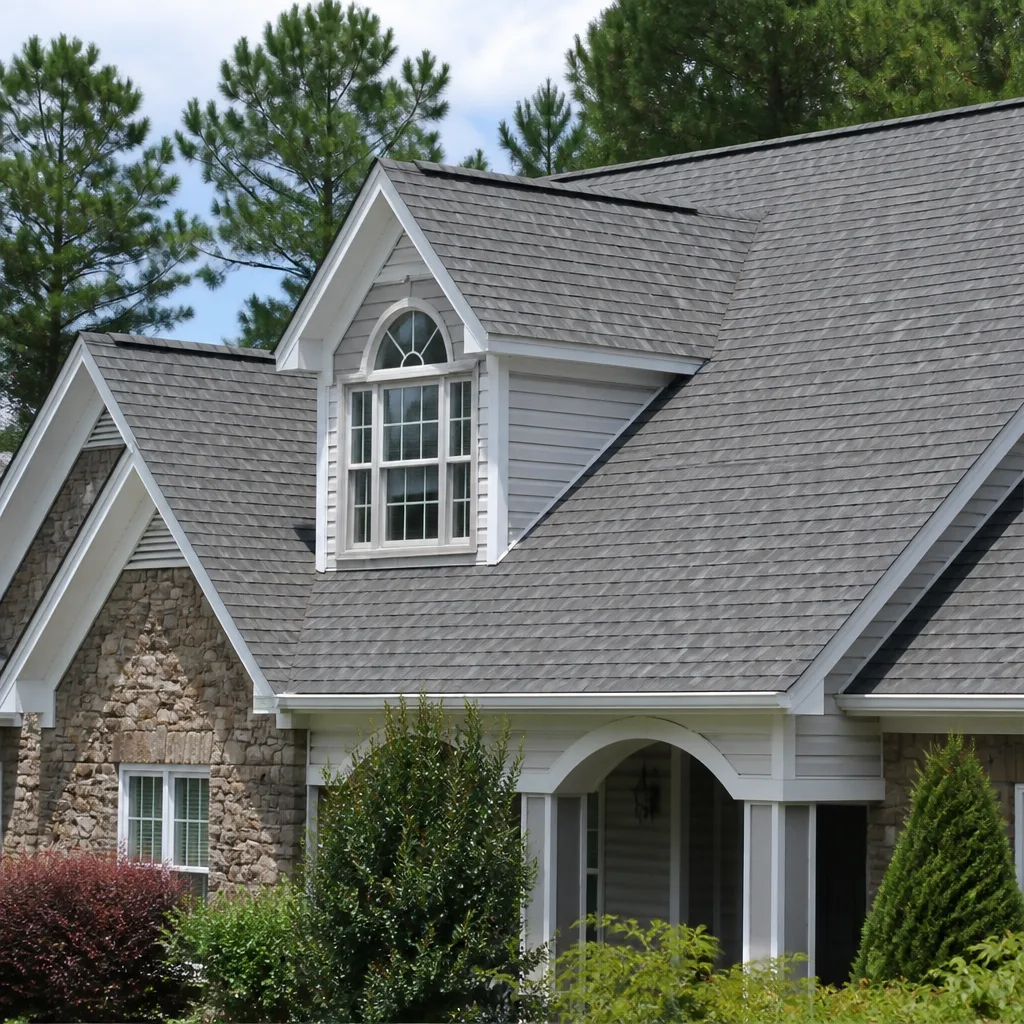 Owens Corning
 Flat & low-slope
Free roof inspection with deck photos before we talk money - GAF and Owens Corning certified installation
The Complete Guide to Roofing in Austin
Austin averaged more than 20 hail events per year between 2018 and 2024, yet most roofing guides written for this city were copied from generic national templates that don’t mention hail impact ratings once. That’s a problem when your roof is the only thing standing between your family and a storm cell that drops golf-ball ice on a Tuesday afternoon in Round Rock or Cedar Park. This guide covers what actually matters for Austin roofs: the materials that survive our climate, the contractors who stay in town after the storm moves on, the permit rules that trip up insurance claims, and the real numbers you’ll see on bids. For more guides & resources, explore our blog. By the time you finish, you’ll know more about roofing in Austin than most sales reps who knock on your door.
Styles & brands we work with
Quick Answer
Roofing in Austin means choosing materials rated for Class 4 hail impact and high UV exposure, working with a contractor who pulls city permits correctly, and expecting to pay roughly $8,000 to $18,000 for a full asphalt shingle replacement on a 1,800-2,400 square foot home. Most roof repairs in Austin run $350 to $1,100, and full replacement timing is typically two to four days once the crew is on site. The biggest mistakes we see are homeowners accepting unpermitted work, choosing shingles without impact ratings, and hiring contractors who won’t be reachable six months after the job.
Table of Contents
- What Austin’s Climate Actually Does to Your Roof
- Hail Impact Ratings: The Number That Matters Most in Austin
- Roofing Materials That Work in Central Texas
- Storm Chasers vs. Local Austin Roofers: How to Tell the Difference
- Austin Permits: When a Repair Becomes a Replacement
- The Balcones Fault Zone and Your Roof Deck
- Real Roofing Costs in Austin, Texas
- Austin Roofing Terms on Bids, Translated
- Common Mistakes to Avoid
- When to Call a Professional
- Frequently Asked Questions
- The Bottom Line
What Austin’s Climate Actually Does to Your Roof
Central Texas sits in a climate band that roofers in other parts of the country don’t fully appreciate until they’ve worked here for a few summers. Between May and September, Austin routinely records 30 to 60 days above 100 degrees. Your roof surface runs significantly hotter than the air temperature – an asphalt shingle on a 105-degree day can hit 160 to 175 degrees. That heat does not just sit there. It bakes the asphalt in your shingles, accelerating the loss of the volatile oils that keep shingles flexible. When shingles lose flexibility, they crack at the edges, loosen around nail heads, and start to tear during wind events that wouldn’t bother a newer roof.
The UV intensity in Austin is another slow-motion destroyer. At our latitude, the sun beats down at a steeper angle than it does in, say, Minneapolis or Seattle. That means more ultraviolet radiation per square foot of roof surface, day after day, for years. UV breaks down the chemical bonds in asphalt shingle granules, which is why you’ll see older Austin roofs with bare patches where the granules have washed into the gutters. Once the granules are gone, the asphalt underneath is exposed directly to UV and heat, and the degradation accelerates hard.
What surprises most homeowners is this: the manufacturer’s warranty is not a promise that your roof will last 25 or 30 or 50 years in Austin’s climate. It’s a prorated manufacturer defect warranty based on idealized conditions. A 30-year architectural shingle in Austin might realistically give you 18 to 22 years before replacement, depending on attic ventilation, tree cover, and how well the original install was done. Poor attic ventilation traps heat against the underside of the decking, which cooks shingles from below while the sun cooks them from above. We’ve replaced ten-year-old roofs in Leander and Pflugerville that looked like they’d been through two decades because the original builder skipped proper ridge and soffit venting.
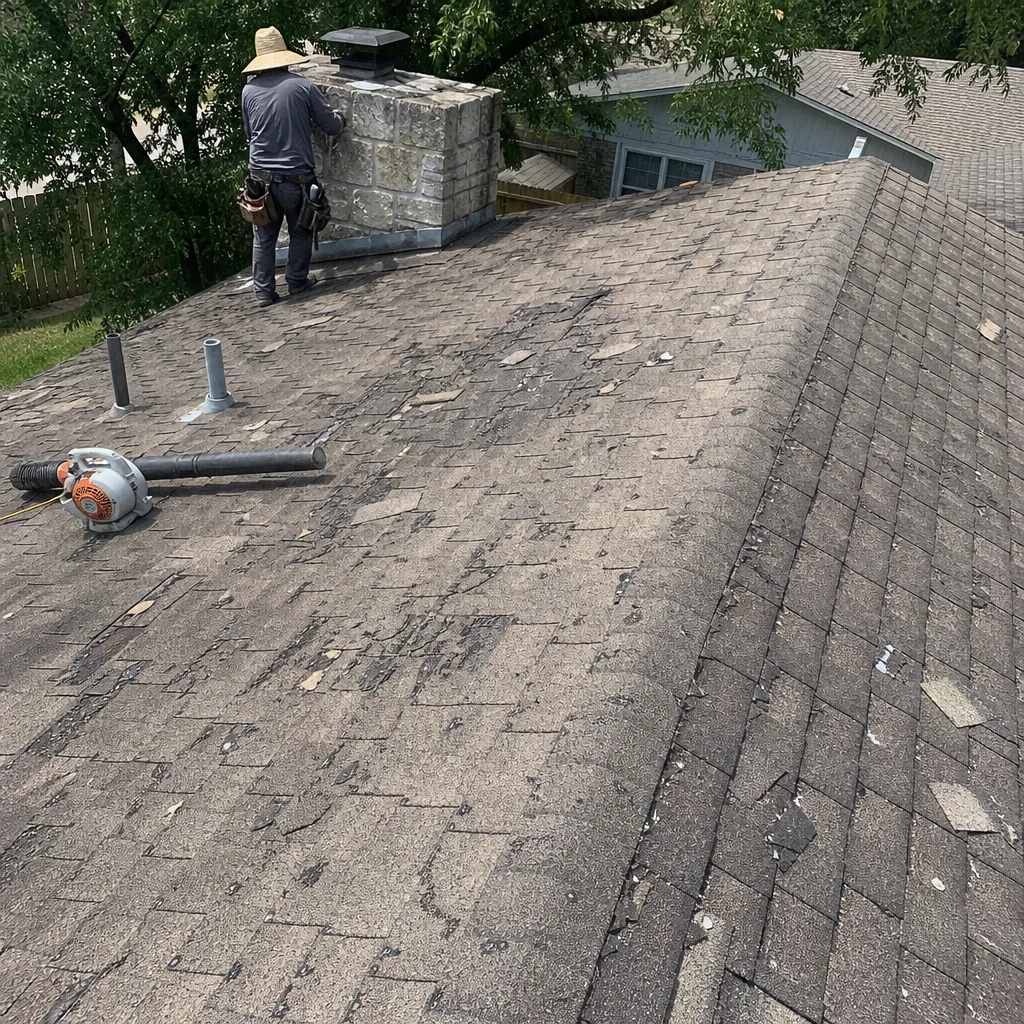
Add the hail factor and you have a climate that tests every component of a roof system. Austin sits at the southern edge of Tornado Alley’s hail corridor. Spring and early summer thunderstorms roll off the Hill Country and drop hail with alarming regularity, sometimes several times in a single season. Those hailstones fracture singles, bruise the matting underneath, and can crack ridge caps without ever creating a visible leak. The damage is real, but it’s subtle enough that an untrained eye will miss it on a casual glance from the driveway.
Hail Impact Ratings: The Number That Matters Most in Austin
If you take one number from this entire guide, take this one: UL 2218 Class 4. That’s the rating given to roofing materials that survive a 2-inch steel ball dropped from 20 feet without cracking. Most standard asphalt shingles sold in the United States are rated Class 3 or lower. In Austin, where 2-inch hail is common and 3-inch hail happens every few years, a Class 4 impact-rated shingle can be the difference between a roof that survives the storm and a roof that needs a full insurance claim.
Here’s what the ratings mean in plain language.
- Class 1: survives a 1.25-inch steel ball dropped from 12 feet. Marginal for Central Texas. We don’t recommend it here.
- Class 2: survives a 1.5-inch steel ball from 15 feet. Better, but still undersized for the hail Austin sees.
- Class 3: survives a 1.75-inch steel ball from 17 feet. Acceptable for parts of the country with mild hail seasons.
- Class 4: survives a 2-inch steel ball from 20 feet. This is the rating you want on an Austin roof.
Many Austin homeowners are surprised to learn that their insurance company offers a premium discount for Class 4 rated roofs. The discount varies by carrier, but it’s typically 5 to 15 percent off the annual premium. Over a decade, that often pays for the difference between a Class 3 and Class 4 shingle.
Materials matter as much as rating. IKO and Owens Corning both manufacture Class 4 rated architectural shingles that perform well in Central Texas. Atlas makes a line of impact-rated shingles that we’ve installed on homes in Georgetown and Buda with strong results. Tamko’s Class 4 products are also worth considering when you’re comparing quotes. The point isn’t that one brand is universally better – it’s that all seven major manufacturers we work with, including these four, offer products with the right ratings for this climate. You should never accept a bid for an Austin roof that doesn’t name the specific shingle model and its UL 2218 rating. If a contractor can’t tell you the rating, the shingle they’re quoting is probably not rated for our hail.
Roofing Materials That Work in Central Texas
Austin homes carry a much wider range of roofing materials than most cities. You’ll see everything from 1950s-era composition shingles in Crestview and Allandale to standing-seam metal on modern builds in Mueller, to clay and concrete tile on Spanish-style homes in Tarrytown. Each material handles the Austin climate differently.
Architectural asphalt shingles are the workhorse of Austin roofing. They’re affordable, they install quickly, and today’s Class 4 versions handle our hail and UV exposure far better than the three-tab shingles that dominated residential roofing thirty years ago. Three-tab shingles, by the way, are essentially obsolete in Central Texas – they’re classed lower for impact, they wear faster in high heat, and most local roofers have stopped quoting them entirely.
Standing-seam metal roofing is growing in Austin for a reason. It reflects heat instead of absorbing it, which reduces attic temperatures and cooling loads during our eight-month summer. Metal stands up to hail better than most people expect – a well-installed standing seam roof shrugs off hailstones that would leave basketball-sized bruises on asphalt. The tradeoff is cost: metal runs roughly two to three times the price of architectural shingles. For many Austin homeowners on the east side and in the Hill Country, that math works out over a 30 to 50 year lifespan. For others, it’s simply more than they need.
Clay and concrete tile are beautiful on the right home, but they demand a roof structure built to carry the weight. A tile roof weighs four to eight times what an asphalt shingle roof weighs. If your home wasn’t engineered for tile, installing it requires structural reinforcement before a single tile goes down. We see this most often in older central Austin neighborhoods where homeowners want to match the surrounding aesthetic. The tile itself handles Austin’s climate superbly – it’s fireproof, hail-resistant, and UV-proof. The underlayment underneath is what needs attention every 15 to 20 years.
Synthetic underlayment deserves a mention because it sits under every material choice. In Austin’s heat, traditional felt underlayment (often called tar paper) degrades faster than in cooler climates. Synthetic underlayments made from polypropylene or polyethylene hold up far better under high-UV exposure during the weeks between tear-off and final shingle installation. If you’re comparing bids, ask which underlayment each contractor specifies. The answer tells you a lot about how they build.
Storm Chasers vs. Local Austin Roofers: How to Tell the Difference
Every spring, the same thing happens. A hailstorm hits Round Rock or Kyle or just north of the river, and within 48 hours, out-of-state roofing crews set up shop in hotel parking lots and start knocking on doors. Some of them are legitimate contractors following the work. Many of them are not. Here’s how to tell who you’re dealing with in the first phone call.
- Ask for a local address. A real Austin roofer has a physical presence in Central Texas – an office, a yard, a warehouse. A storm chaser has a PO box in another state and a burner phone with a local area code. Ask where their business is based, then look it up.
- Ask about the Kingswell Guarantee. This catches storm chasers instantly. Established Austin roofers who operate under the Kingswell family of roofing companies put their guarantees in writing before any work starts. Storm chasers rarely offer anything in writing that extends beyond the moment they leave town.
- Ask about permits. A real Austin roofer knows that the City of Austin requires permits for roof replacements and many repairs. A storm chaser will tell you permits aren’t necessary, or that they’ll “handle it” with no paperwork. That’s a red flag the size of a barn.
- Ask for local references. Not references from the last storm in Oklahoma City. References from Austin neighborhoods – actual addresses you can drive past or homeowners you can call. A legit local roofer can supply these without hesitation.
- Check the guarantee period. Tilehurst Roofing Austin and the other roofers operating under the Kingswell family of roofing companies back every repair with a written guarantee delivered before the crew leaves, and a 365-Day Done Right Promise that covers the full year after the job. If a contractor’s guarantee is verbal, or lasts 30 days, or doesn’t exist, walk away.
Here’s the part that matters for your wallet: when a storm chaser fails to fix a leak properly, they’re gone before you find out. You’re left paying a second contractor to correct the first one’s work. That’s the most expensive roofing decision in Austin, and it happens every single year.
Austin Permits: When a Repair Becomes a Replacement
This is where a lot of Austin homeowners get caught sideways, and it’s one of the most important sections in this guide. The City of Austin requires a building permit for roof replacements and for repairs that cross a certain threshold. The exact line matters, because doing unpermitted work can void your homeowner’s insurance coverage for roof-related claims and create trouble when you sell the house.
Under Austin’s current residential code, a repair that replaces less than a set percentage of the roof surface is generally considered maintenance and may not require a permit. Once you cross into a full replacement – which most insurance claims after hailstorms trigger – you need a permit, period. The permit ensures the work is inspected and meets the city’s wind uplift standards, which are not trivial in a city that sits on the edge of tornado country.
Here’s why the line matters for your insurance claim. If your hailstorm claim covers a full roof replacement, and your contractor installs that replacement without pulling an Austin permit, your insurance company can use that as grounds to deny future claims involving the roof. The roof is considered non-conforming. When you sell the home, an inspector may flag the unpermitted work, and the buyer’s lender may require it to be permitted retroactively – which costs more than doing it right the first time.
A contractor who tells you to skip the permit is not doing you a favor. They’re avoiding the cost of the permit, the time for the inspection, and the accountability that comes with both. The Kingswell Way on permits is straightforward: if the job requires a permit, we pull it, we schedule the inspection, and we don’t ask the homeowner to handle any of it. The permit is part of the job, not an add-on.
Cheap bids that exclude permit costs are a classic Austin roofing trick. The price looks lower, but the liability lands on you. Always confirm that the written bid includes permits, inspections, and any city fees. If it doesn’t, ask why not – and get the answer in writing.
The Balcones Fault Zone and Your Roof Deck
Most national roofing guides have never heard of the Balcones Fault Zone, but if you own a home in Austin, your roof deck has. The Balcones Fault is a series of normal faults that runs roughly along the line of Interstate 35, separating the Hill Country to the west from the Blackland Prairie to the east. The geological activity happened millions of years ago, but the fault zone left something behind: expansive clay soils that move.
Here’s what that means for your roof. Austin’s clay soils expand when wet and contract when dry. During our drought summers, the soil under your foundation shrinks hard. During the rainy season, it swells. This seasonal movement shifts your foundation by fractions of an inch. Not enough to crack your walls in most cases, but enough to stress the rigid connections between your roof deck, your fascia, and your exterior walls.
Roof decks in Austin move slightly with this soil activity. The movement is most pronounced in older homes on pier-and-beam foundations and in neighborhoods east of the fault line where clay content is highest. When the deck moves, the sealant at flashings and pipe penetrations stretches and eventually fails. That’s why we see so many leak calls in Austin that trace back to failed sealant at flashings around plumbing pipes, chimneys, and skylights – not to shingle damage at all.
The fix is not to use more sealant. It’s to use the right kind of sealant and to design flashing details that accommodate small amounts of movement. In our experience, high-quality polyurethane and silicone sealants from commercial roofing formulations hold up far better in Austin than standard latex caulk, which hardens and cracks within a few seasons of soil movement. When we repair leaks at flashing points in ZIP codes like 78745, 78757, and 78723, we use sealants rated for expansion and contraction cycles that standard big-box products simply don’t handle.
If you live in an older home and you’ve had the same flashing leak repaired twice, the problem probably isn’t the repair. It’s that the original sealant wasn’t specified for Central Texas soil movement. That’s a fix a knowledgeable Austin roofer can make in a single visit.
Real Roofing Costs in Austin, Texas
We believe in telling homeowners the price before we touch a roof, so here are the real numbers for the Austin market as of 2025. These are actual ranges we see on bids across the city, from small repairs in Hyde Park to full replacements in Steiner Ranch. Your specific cost depends on roof size, pitch, material choice, and the condition of your decking, but these ranges will keep you grounded when the first estimate arrives.
Common Repair Costs in Austin
- Loose or missing shingle replacement: $350 – $600
- Flashing repair at pipe penetration or chimney: $450 – $850
- Small leak repair with decking patch: $600 – $1,100
- Ridge cap replacement on a single section: $400 – $700
- Valley leak repair with underlayment replacement: $500 – $1,200
- Hail damage assessment and inspection: free from most local roofers, including ours
Full Roof Replacement Costs in Austin
- Architectural asphalt shingles, 1,800 sq ft roof: $8,000 – $12,000
- Architectural asphalt shingles, 2,400 sq ft roof: $11,000 – $16,000
- Class 4 impact-rated shingles, 2,400 sq ft roof: $13,000 – $18,000
- Standing-seam metal, 2,400 sq ft roof: $22,000 – $35,000
- Clay or concrete tile, 2,400 sq ft roof: $28,000 – $45,000, plus structural work if needed
These are installed costs, including tear-off of the old roof, dump fees, underlayment, shingles, flashing, ridge caps, drip edge, and the Austin permit. A bid that’s significantly lower than these ranges is almost always leaving something out – usually the permit, the underlayment upgrade, or the dump fee. Getting a written price before any work starts is the single best way to avoid the surprise change order that so many Austin homeowners have already experienced once. You should never accept a verbal estimate followed by a “revised scope” once the project is underway.
Austin Roofing Terms on Bids, Translated
Roofing bids are written in trade language that most homeowners don’t speak. Here’s a plain-language translation of the terms you’ll actually see on an Austin roofing proposal, so nothing gets lost when you’re comparing quotes.
- Drip edge: a metal strip installed along the roof’s edges that directs water into the gutters instead of behind them. Required by Austin code on all new roofs, and frequently skipped by low-bid contractors.
- Decking (or sheathing): the plywood or OSB layer that sits on top of your roof trusses and under your shingles. When it’s rotted or water-damaged, it must be replaced – and that replacement cost is per sheet, which is why your bid might have a “decking replacement allowance” listed separately.
- Underlayment: the water-resistant layer between your decking and your shingles. At a minimum, it should be synthetic in Austin’s heat, not felt. It’s your roof’s second line of defense.
- Flashing: metal pieces installed anywhere the roof meets a vertical surface – chimneys, walls, skylights, and plumbing pipes. Most leaks that aren’t shingle-related are flashing-related, particularly in Austin’s expansive clay soil zones.
- Ridge cap: the shingles that run along the peak of your roof. They take the most direct impact from hail, and they age faster than the shingles on the roof’s field. A bid that doesn’t mention ridge cap replacement isn’t replacing your whole roof.
- Ice and water shield: in colder climates, this is a peel-and-stick membrane at eaves. In Austin, it’s typically only used in valleys and around skylights, where water concentrates. You won’t need it on every slope.
- Pitch (or slope): the angle of your roof. A steeper pitch costs more to roof because it’s slower and more dangerous work. Austin homes vary widely, from low-slope mid-century builds to steep-pitched Hill Country homes.
- Square: 100 square feet of roof surface. Roofers quote by the square, not the square foot, which confuses homeowners everywhere. A 20-square roof is 2,000 square feet.
Common Mistakes to Avoid
- Hiring a storm chaser because they knocked at the right time. They’re in Austin for the hailstorm and gone for the guarantee. Ask for a local address and a written warranty before signing anything.
- Choosing shingles by price alone. A Class 3 shingle might save you $1,500 on the install and cost you a full insurance claim when the next hailstorm hits. In Austin, Class 4 impact resistance is the standard that fits our climate.
- Letting a contractor skip the permit. Unpermitted work in Austin creates insurance and resale liability that lasts far longer than the money you saved. Permits are not optional add-ons; they’re part of the job.
- Ignoring the underlayment. The shingles are the visible layer, but the underlayment is what keeps water out when shingles fail. In Austin’s heat, synthetic underlayment dramatically outperforms felt.
- Assuming a warranty is a warranty. Manufacturer warranties cover product defects, not installation problems. Your protection against installation problems is the contractor’s written workmanship guarantee – which should be delivered before the crew leaves, not mailed later.
- Delaying a flashing fix. A small leak at a pipe flashing in Austin’s shifting clay soil becomes a rotted deck and a mold problem faster than you’d think. Address it the week you see the water stain.
- Forgetting to ask who answers the phone after the job. When you call your roofer at 9 PM with a leak during a storm, does a live person answer? At Tilehurst Roofing Austin, a live person answers every call, 24 hours a day, 7 days a week – no voicemail queue. If a contractor can’t make that promise, that tells you something about their availability six months from now.
When to Call a Professional
Some roofing situations are diagnostic puzzles. Others are clear calls. If you see water staining on your ceiling, call a roofer this week – water travels along rafters, and the leak you see is rarely directly under the hole in your roof. Our Roofing Company Maintenance Checklist for Austin Homeowners covers what to inspect between professional visits. If you hear a roof-level leak during heavy rain, get it addressed before the next storm cycle. If a hailstorm has passed over your neighborhood, schedule an inspection even if you don’t see damage from the ground. And if you’re selling your home and the roof is over 15 years old, an inspection now prevents a renegotiation later.
Tilehurst Roofing Austin is a Roofing Company in Austin that offers free estimates across the metro. Whether you need a Roof Repair in Austin or a full Roof Replacement in Austin, we’ll give you the written price before any work starts. Call (254) 540-7345 to schedule yours. You can also learn more about us on the Tilehurst Roofing Austin home page.
Frequently Asked Questions
A full asphalt shingle roof replacement in Austin typically costs $8,000 to $18,000 depending on roof size, pitch, and shingle rating, with Class 4 impact-rated shingles on the higher end. Metal and tile roofs run $22,000 to $45,000 or more. Call (254) 540-7345 for an exact quote on your home – estimates are free, and the written price is in your hands before any work starts.
Class 4 hail rating is not required by Austin code, but it’s strongly recommended given that the city averages more than 20 hail events per year and many storms drop 2-inch hail. Class 4 shingles often qualify for insurance premium discounts that offset their additional cost over a decade. Ask your insurer about the discount before you choose your shingle.
Yes, the City of Austin requires permits for full roof replacements and for repairs that cross the threshold from maintenance into structural work. A reputable Austin roofer will include the permit cost in the written bid and handle the paperwork for you. Contractors who suggest skipping the permit are creating liability for you, not saving you money.
Most asphalt shingle roof replacements in Austin take two to four days from tear-off to final inspection, depending on roof size, pitch, and weather. Metal and tile installations run longer. Your contractor should give you a specific timeline in writing before the crew arrives.
Insurance typically covers roof replacement when damage is caused by a covered peril like hail or wind, not by normal aging, and the payout is based on your policy’s replacement cost provisions and depreciation schedule. Your roofer should be willing to document the damage thoroughly for your claim, and you should never sign over the claim check to a contractor without an independent understanding of the work being done.
Repeated leaks at the same pipe flashing are usually caused by Austin’s expansive clay soils, which shift foundations seasonally and stress the sealant at roof penetrations. The fix is to use a sealant rated for high expansion and contraction cycles, not another application of standard latex caulk. Give us a call at (254) 540-7345 and we’ll diagnose it properly.
The Bottom Line
Roofing in Austin is different from roofing in most of the country, and the differences show up in hail ratings, UV degradation, permit requirements, and the soil movement under your foundation. The right roof for this city is a Class 4 impact-rated system installed with synthetic underlayment, proper flashing details, and a city permit – by a contractor who puts the price and the guarantee in writing before work begins and answers the phone after it ends. You now know what to ask for, what to pay, and what to avoid. The next step is a free estimate. Call Tilehurst Roofing Austin at (254) 540-7345 and we’ll walk you through it.
Written by Greg Holloway, Owner at Tilehurst Roofing Austin, serving Austin since 2000.
See the difference
 Before
 After
After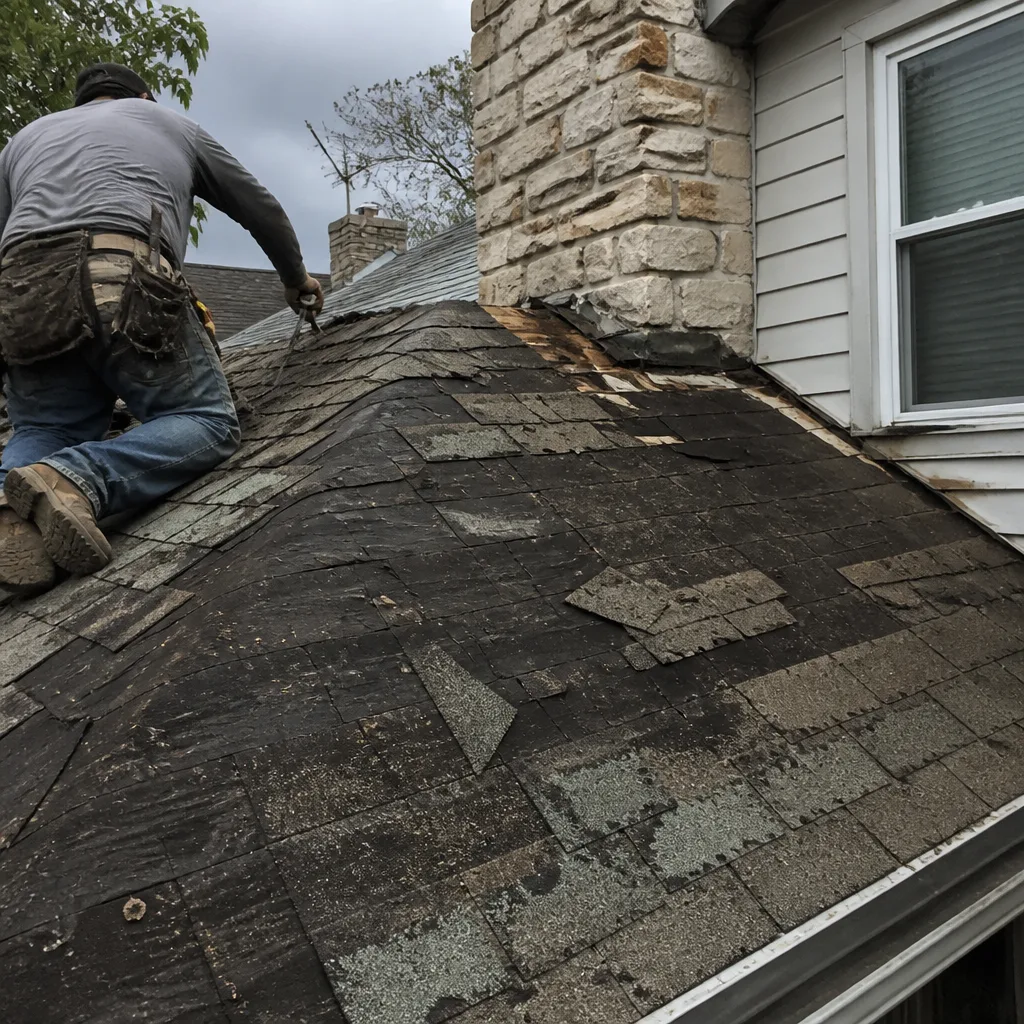 Before
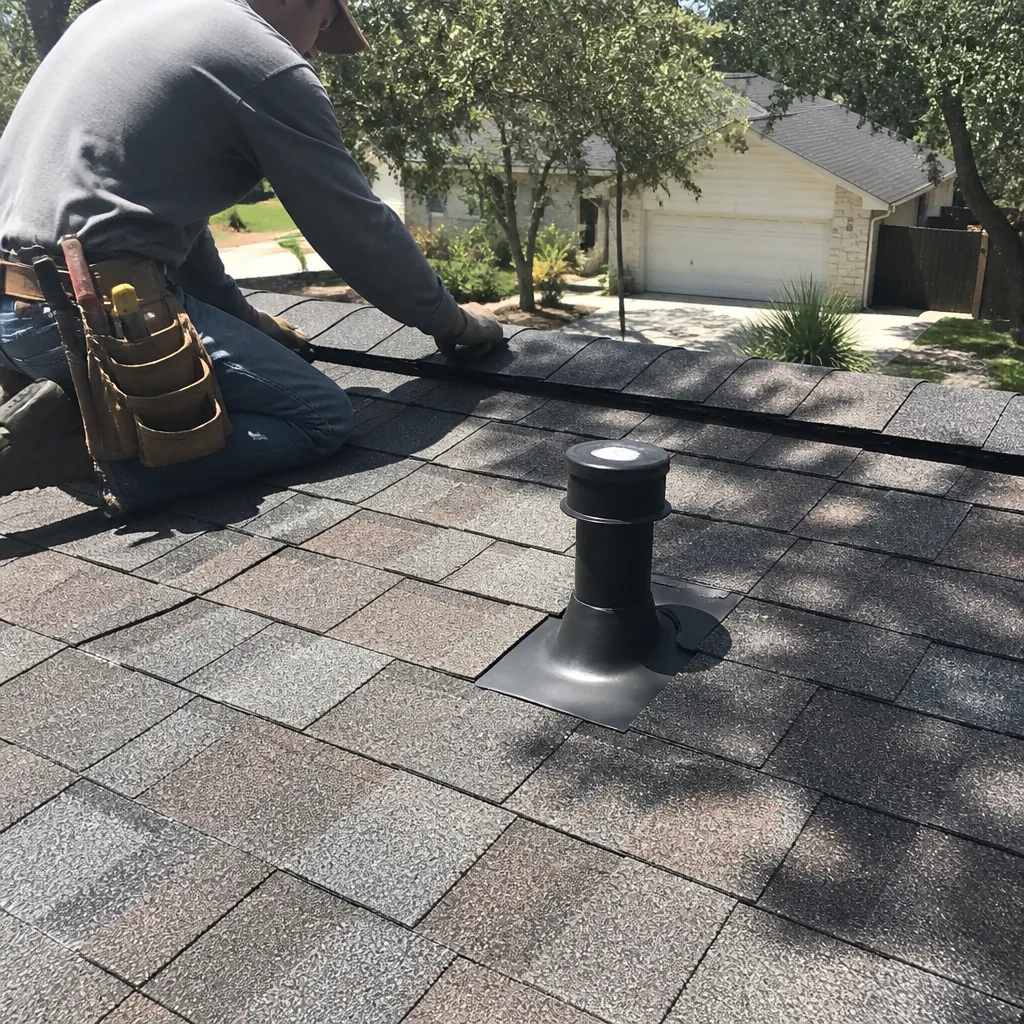 After
After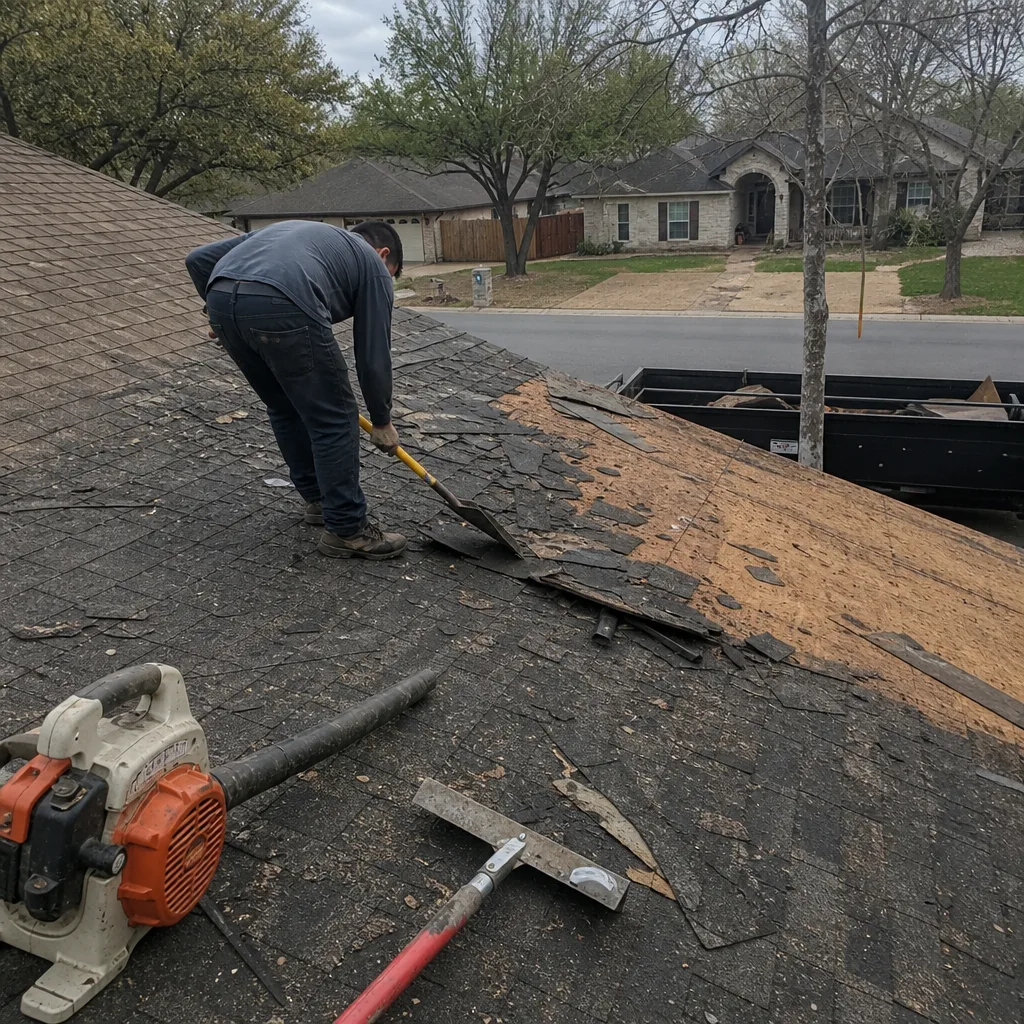 Before
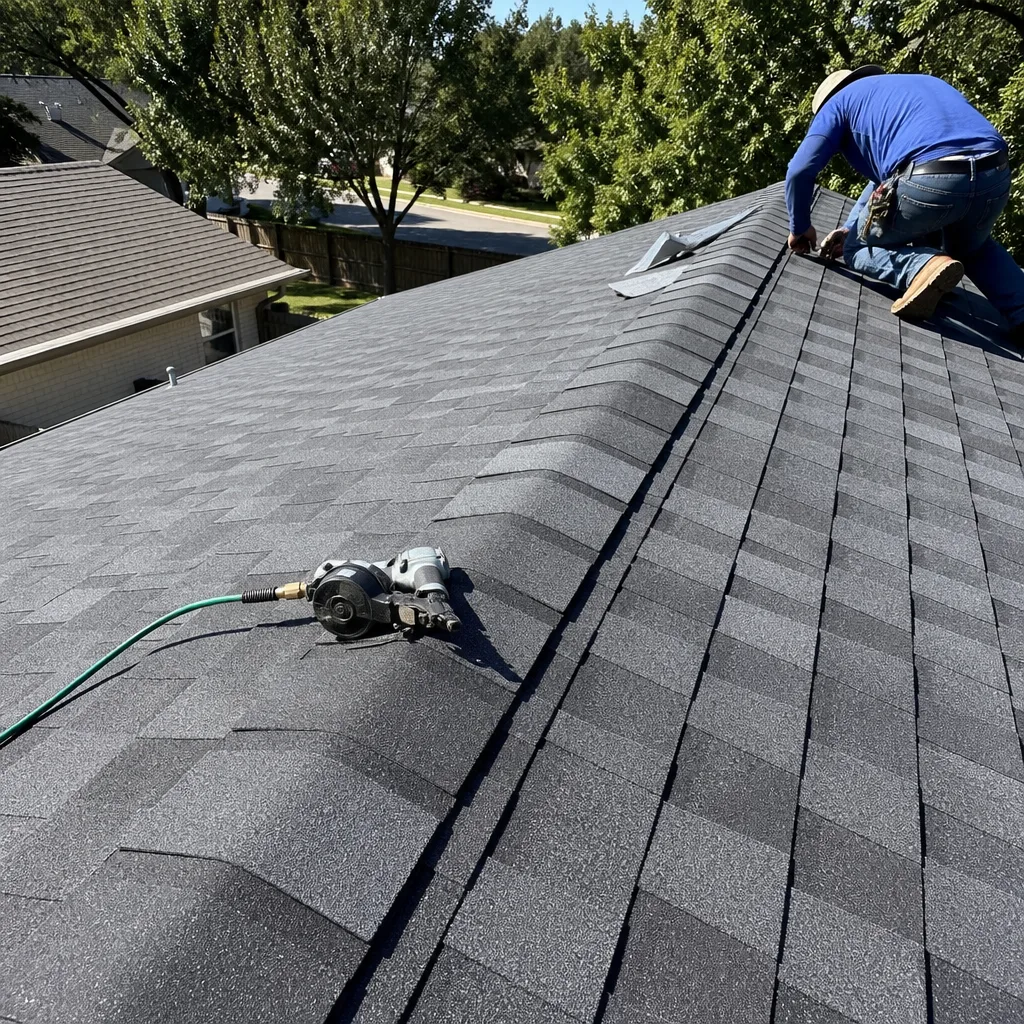 After
After