
Last updated October 17, 2026
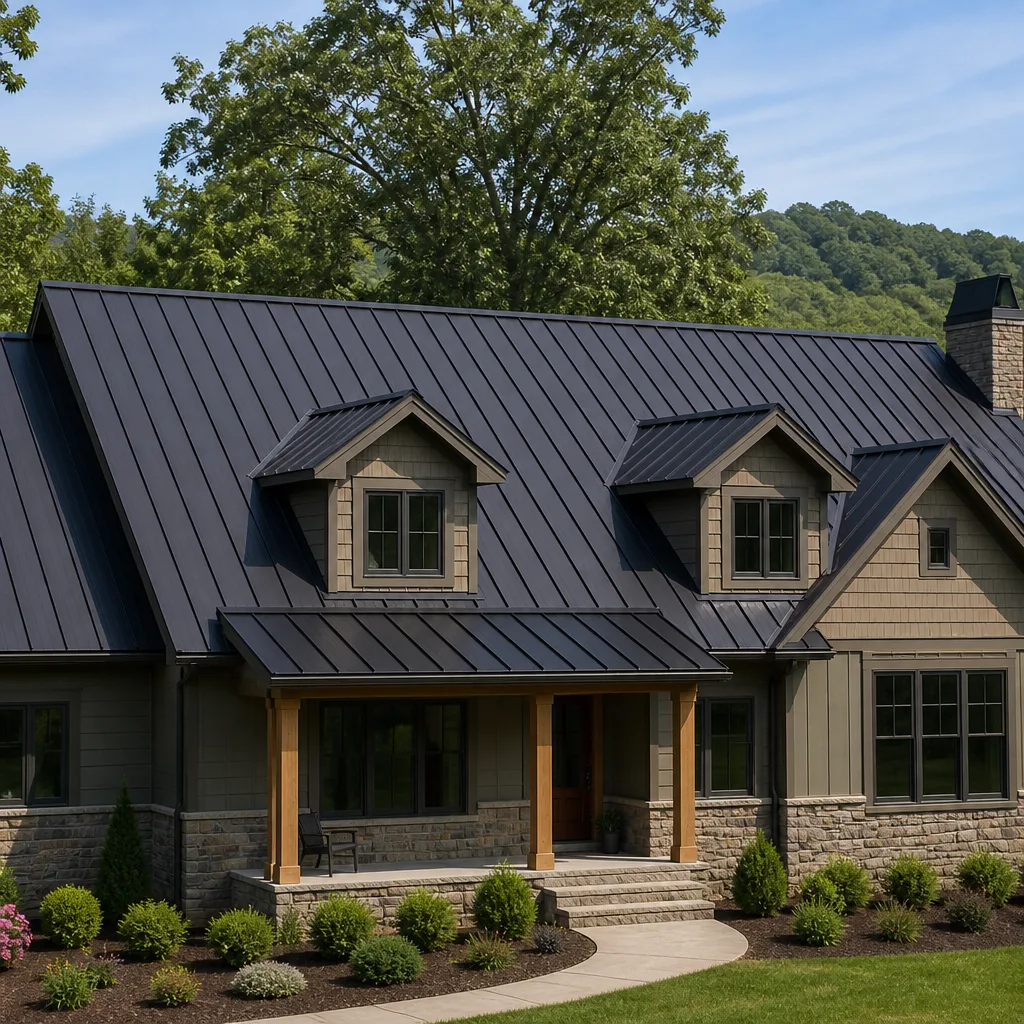 Metal roofing
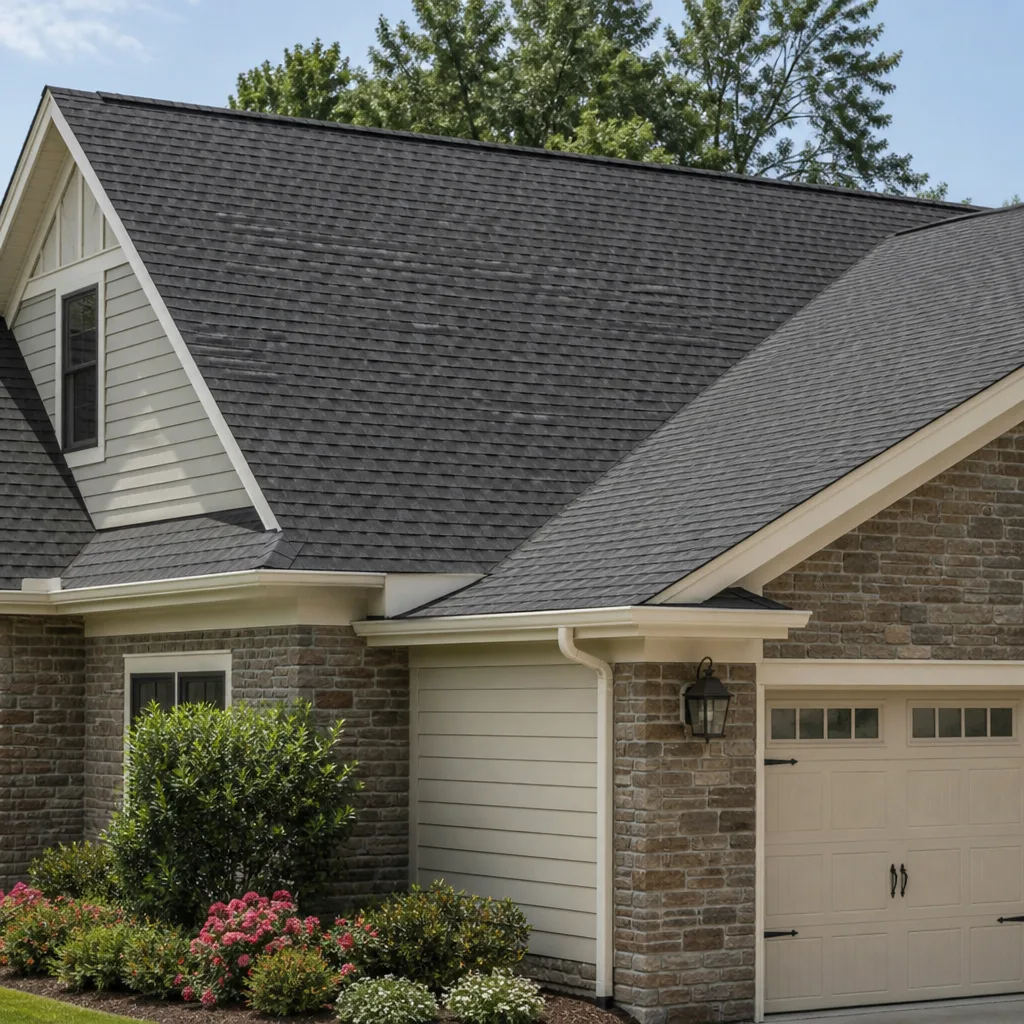 Architectural shingles
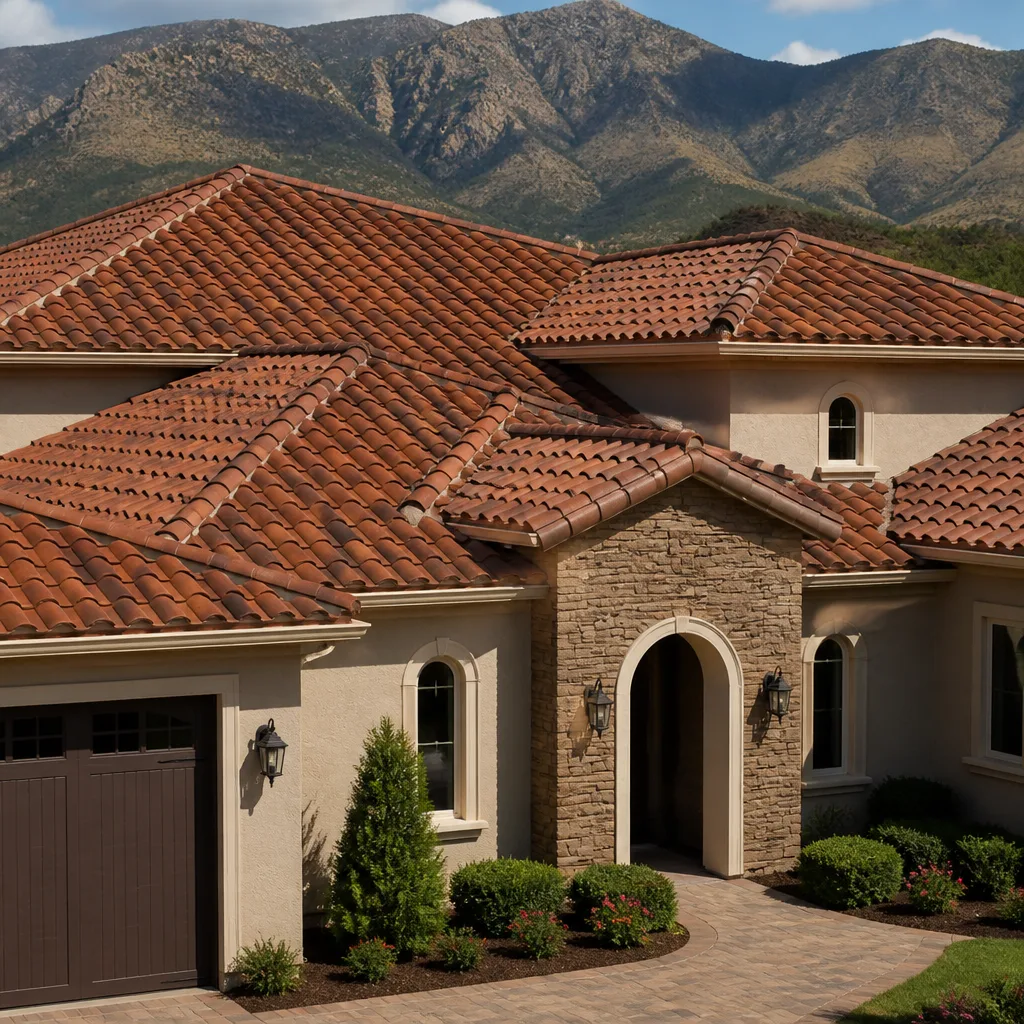 Tile roofing
 GAF
GAF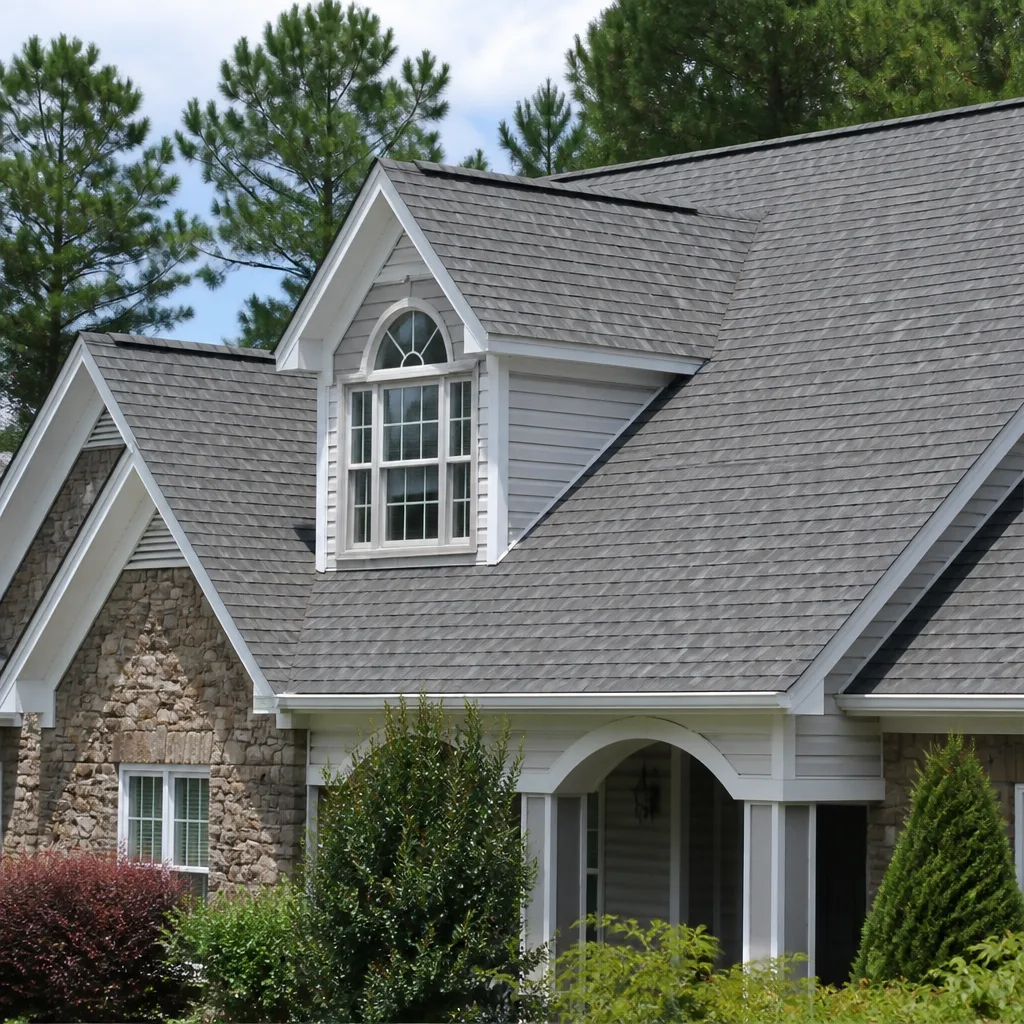 Owens Corning
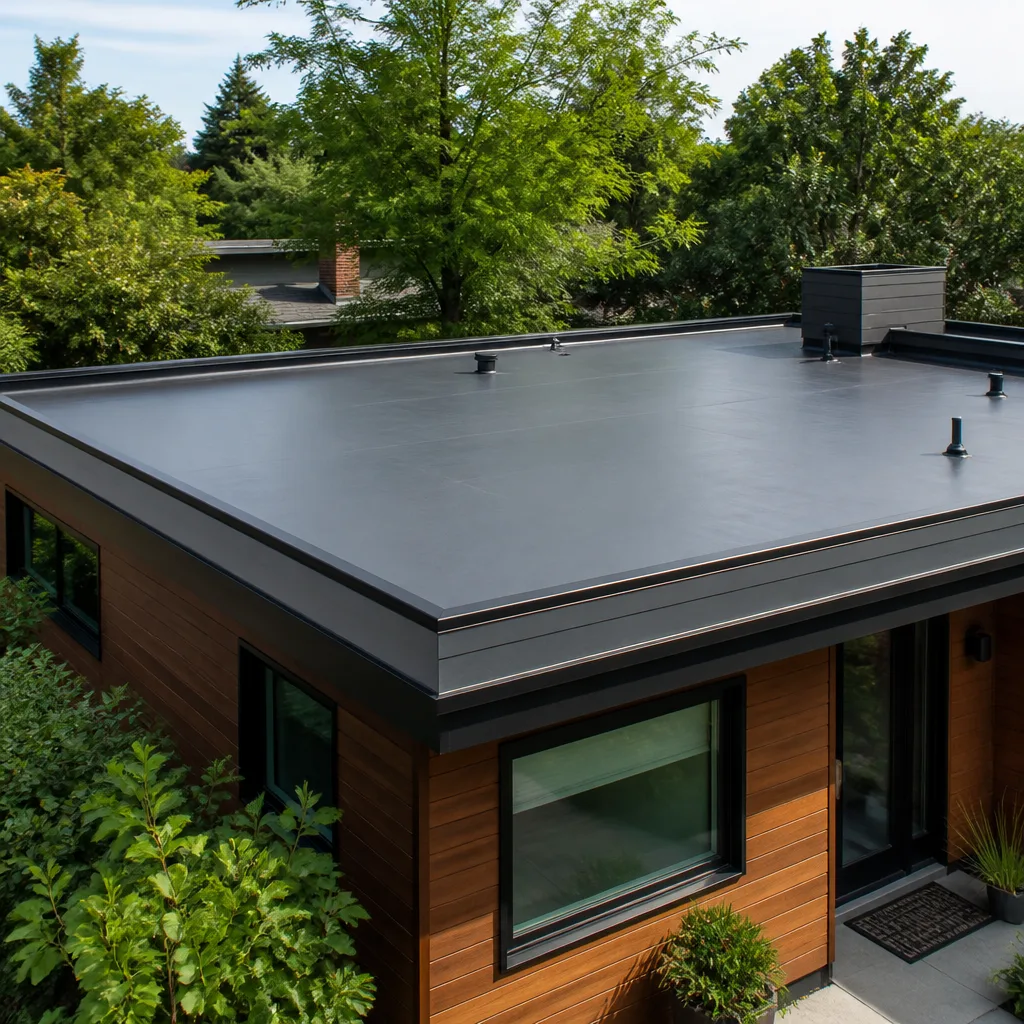 Flat & low-slope
Free roof inspection with deck photos before we talk money - GAF and Owens Corning certified installation
DIY vs Professional Roofing: The Austin Homeowner’s Decision Guide
Texas law says a homeowner can pull a roofing permit and do the work themselves. That’s true, and it seduces a lot of people into climbing a ladder they shouldn’t. But here’s the counterintuitive part: the decision to DIY a roof in Austin has almost nothing to do with whether you can swing a hammer. It has everything to do with risk transfer. The question isn’t “Can I fix this?” It’s “If I fix this and it fails, who pays?” In Austin specifically, the answer to that second question is often buried in an insurance policy clause that almost no one reads until after the claim is denied. This guide walks through exactly what you’re taking on when you do it yourself, what you’re giving up that no YouTube tutorial can give back, and the three tasks where DIY actually makes sense in this city. For more guides & resources on protecting your Austin home, explore our blog.
Styles & brands we work with
Quick Answer
For minor, low-risk tasks like resealing a pipe boot, replacing one cracked ridge cap tile, or patching a small flat-section blister, a careful Austin homeowner can handle the work legally and safely. For anything involving structural decking, underlayment replacement, flashing around chimneys or valleys, or full section replacement of shingles, hire a licensed professional. The reasons are not about skill. They’re about manufacturer warranty activation, insurance coverage, Austin’s permit requirements, and the summer heat that damages DIY installations before the sealant has a chance to set.
Table of Contents
- What You’re Really Deciding: The Three Layers of Risk
- Texas Permit Rules: What the Law Actually Says
- The Austin Heat Problem: Why Summer DIY Roofing Damages Shingles
- The Insurance Voiding Risk: Reading Your Policy Before You DIY
- The Three Roofing Tasks Austin Homeowners Can Legitimately Handle
- What Professional Installation Includes That DIY Doesn’t
- The Honest Cost Comparison: DIY Materials vs Professional Labor in Austin
- Common Mistakes to Avoid
- When to Call a Professional
- Frequently Asked Questions
- The Bottom Line
What You’re Really Deciding: The Three Layers of Risk
When an Austin homeowner asks us “Should I try to fix this myself?” they’re usually thinking about the material cost. A bundle of shingles is $35. A tube of roofing sealant is $12. The professional quote is $400. Simple math, right?
That math misses three things, and each one matters more than the price of materials.
Layer one: financial risk. If the repair fails, you pay for the failed materials, the water damage inside the home, and then the professional repair on top of that. A $12 tube of sealant that doesn’t bond correctly to a Texas roof deck can turn into a $6,000 ceiling replacement. We’ve seen it in neighborhoods across Austin, from Hyde Park to Round Rock, more often than you’d think.
Layer two: warranty risk. This one surprises people most. When you install shingles yourself, you void the manufacturer’s warranty on those shingles. GAF, CertainTeed, Owens Corning, and every other major manufacturer require certified installation as a condition of warranty coverage. You’re not just saving $300 on labor. You’re trading a 30-year material warranty for zero warranty. That’s not a discount. That’s a different product.
Layer three: liability risk. A roofing contractor carries liability insurance and workers’ compensation. If a helper falls off your ladder, on your property, during your DIY project, that cost lands on your homeowner’s policy, or on you personally if the policy excludes it.
None of this is meant to scare you off DIY entirely. It’s meant to make the decision honest. Some tasks are genuinely low risk. Most roofing work is not. The rest of this guide shows you which is which.
Texas Permit Rules: What the Law Actually Says
Texas does allow homeowners to pull their own roofing permits. The state views your primary residence as your own project if you choose to make it one. Austin follows the state standard, with local enforcement through the city’s Development Services Department.
But there’s a detail most guides skip.
Austin enforces the 2018 International Residential Code, with local amendments. The code requires specific underlayment, specific flashing details, specific nailing patterns, and specific ventilation ratios. The permit office will inspect your work, and they will not pass it just because you tried hard. They will fail it for improper nailing, missing drip edge, inadequate underlayment, and a dozen other details that are invisible from the ground but obvious to an inspector.
What happens if your DIY work fails inspection? You fix it. On your own time. On your own dime. The permit stays open, and in the meantime, your roof is partially completed. A partially completed roof in Austin, during a spring storm season that delivers hail and heavy rain, becomes a running emergency.
The permit itself is not the real gatekeeper. The inspection standard is. And the inspection standard for roofing in Austin is not something a homeowner learns from a weekend of YouTube videos.
If you’re evaluating the full professional route, our Roofing Company in Austin page walks through what a proper permit-to-inspection process looks like when a contractor handles it end to end.
The Austin Heat Problem: Why Summer DIY Roofing Damages Shingles
Here’s the detail national DIY guides almost never mention because national guides aren’t written by people who work on Austin roofs in August.
Asphalt shingles have a sealant strip on the underside. That strip activates when the sun heats the shingle, bonding each course to the one below it. This is how a shingle roof becomes one continuous weather barrier instead of thousands of individual pieces.
In a normal installation, at a normal temperature, the installer places the shingle, nails it, and the sealant activates over the following days and weeks as the roof heats and cools. The shingle stays where it was placed.
On an Austin roof above 90 degrees, the shingles are already soft when you pick them up. The sealant strip is already tacky. When you walk across a hot roof, you tear the granule surface off existing shingles, and the new shingles you place adhere immediately, before you’ve finished positioning them. You get wrinkles, misaligned courses, and sealant strips that have bonded to the wrong surface. The shingle you just installed may look fine from the ground and be structurally compromised from the moment you nail it.
That means the DIY window in Austin is not “whenever I have a free weekend.” It’s roughly October through April, early morning, and never on days forecast above 85 degrees. The reason a professional crew installs safely in summer isn’t that they’re tougher. It’s that they’ve already solved the problem you don’t know exists: they install faster than the heat can damage the work, they use proper walk boards, and they know which materials can take a hot deck and which can’t.
If you’re deciding between repair and replacement during a hot stretch, the Roof Repair in Austin guide explains how professionals schedule around Austin’s heat cycles without voiding warranties.
The Insurance Voiding Risk: Reading Your Policy Before You DIY
This is the section that matters most, and it’s the one almost every homeowner skips.
Texas homeowner’s insurance policies are not uniform. Some carriers write broad coverage. Others, particularly in the Austin market after years of hail and wind claims, have tightened their language significantly.
Look for two clauses in your policy. The first is a “course of construction” exclusion. This language allows the carrier to deny a claim for damage that occurs during, or as a result of, work performed on the home by anyone other than a licensed contractor. If you’re re-roofing your home yourself and a storm blows through halfway done, the carrier may classify the resulting damage as excluded. You’re then paying out of pocket for damage that a professional installation would have covered.
The second clause is the “faulty workmanship” exclusion. Nearly every Texas policy includes some version of this. It says the insurance covers sudden and accidental damage, not damage caused by defective installation or repair. When a professional contractor installs a roof, the workmanship warranty shifts this risk to the contractor. When you install your own roof, there is no contractor to shift it to. The carrier can, and often does, deny a subsequent water damage claim by pointing to your installation as the cause.
The practical rule: before you climb the ladder, call your insurance agent and ask two questions.
- Does my policy contain a course of construction exclusion, and does it apply to owner-performed work?
- If I perform a roof repair myself and it later fails, is the resulting interior water damage covered?
Get the answer in writing. If the agent won’t put it in writing, that’s your answer.
For a full picture of what happens when a roof fails, including what a legitimate warranty covers, our Roof Replacement in Austin page breaks down the difference between a material warranty and a workmanship warranty in plain English.
The Three Roofing Tasks Austin Homeowners Can Legitimately Handle
So far this guide has been a wall of warnings. That’s appropriate, because most roofing work is genuinely dangerous and genuinely consequential. But it would be dishonest to say no homeowner should ever touch a roof. Here are three tasks that are safe and legal for a careful Austin homeowner, with the rules for each. If you’re weighing whether to hire out, see our How to Hire a Roofing Contractor in Austin: A Step-by-Step Guide.
1. Replacing a Single Cracked Ridge Cap Tile
Ridge cap is the finishing tile that runs along the peak of the roof. In Austin’s clay-heavy neighborhoods, or on homes built with tile roofs, a single cracked cap tile is a common and minor issue. If the underlayment beneath it is intact and the crack is isolated to one tile, replacing that tile is a one-hour job with a pry bar, roofing cement, and the correct replacement tile. The rule: stay on the ridge, never on the slope, and if the crack extends into the field tiles below the ridge, stop and call a professional.
2. Resealing a Pipe Boot
Pipe boots are the rubber collars that seal around plumbing vent pipes. In the Texas sun, the rubber dries and cracks within five to ten years. Resealing a pipe boot means applying a compatible sealant around the base of the boot. This is a low-risk task if the pipe is accessible from the roof and the boot itself is still intact. If the boot is torn, it needs replacing, and that means lifting the surrounding shingles, which is professional work.
3. Patching a Small Flat-Section Blister
Some Austin homes, particularly mid-century builds in neighborhoods like Allandale and Crestview, have flat or low-slope roof sections. These can develop blisters over time. A homeowner with the right materials can patch a blister under two feet across. The rules: the blister must be small, the underlying deck must be sound, and the patch must be compatible with the existing roof membrane, otherwise the two materials will separate within months.
Notice the pattern. All three tasks are on the surface, involve no structural elements, no permit, no warranty-critical materials, and no work on a steep slope. That’s the line.
What Professional Installation Includes That DIY Doesn’t
The honest way to think about professional roofing is not “labor.” Labor is just the time someone spends on your roof. What you’re actually buying is a chain of accountability that extends far beyond the day of the job. For ongoing protection, ask your contractor about a Roofing Company Maintenance Checklist for Austin Homeowners.
Manufacturer warranty activation. Every major shingle manufacturer, including the brands we install, requires certified installation as a condition of coverage. Boral, CertainTeed, and GAF all publish installer certification requirements. When you DIY, that warranty dies on the day you buy the materials. When a certified professional installs, the warranty is registered and active from the day the job is complete.
Workmanship warranty. This is separate from the material warranty. It covers installation errors, not product defects. Tilehurst Roofing Austin puts a written guarantee on every repair, delivered before the crew leaves. If a repair fails inside the guarantee period, the crew returns to correct it at no charge under our 365-Day Done Right Promise. No homeowner can write themselves a workmanship warranty. It requires a second party.
Liability coverage. A professional roofing crew is covered by liability insurance and workers’ compensation. If someone falls, the company’s policy responds, not the homeowner’s. If a homeowner’s helper falls, the homeowner’s policy may not respond at all.
Permit and inspection navigation. We’ve handled Austin inspections hundreds of times. We know the local amendments, we know what the inspector looks for, and we know how to schedule the work so the inspection happens on time. That knowledge has real value, even if it never shows up on the invoice.
Material selection. A professional roofer offers genuine choice. We install materials from seven major manufacturers: GAF, CertainTeed, Owens Corning, IKO, Atlas, Tamko, and Boral. That matters because different roof systems suit different homes. A tile roof in a historic district has different requirements than a shingle roof in a newer subdivision in Cedar Park. When you DIY, you get what the home improvement store has on the shelf.
The Honest Cost Comparison: DIY Materials vs Professional Labor in Austin
Let’s talk real dollars, because every guide that avoids numbers is wasting your time.
The 2026 Austin market for residential roofing breaks down like this, based on what we see daily when we quote jobs across the city:
- Pipe boot reseal: DIY materials run $15 to $40. Professional repair runs $150 to $300. Savings: real, and appropriate for the low risk involved.
- Single ridge cap tile replacement: DIY materials for a matching tile run $30 to $80. Professional replacement runs $200 to $400. Savings: moderate, but only wise if the underlayment is confirmed sound.
- Small flat-section blister patch: DIY materials run $50 to $150. Professional patch runs $350 to $600. Savings: real, but fragile if the existing membrane is older or incompatible.
- Full re-roof of a 2,000 sq ft home: DIY materials for a mid-grade architectural shingle run $4,000 to $6,000, and that’s before you factor in dumpster rental, underlayment, drip edge, ridge vent, nails, and the inevitable waste from mistakes. Professional installation runs $9,000 to $14,000 in Austin depending on material grade, pitch, and decking condition. Savings: looks like $5,000 on paper. But the warranty value on a professional job is calculated in decades, not dollars, and if the DIY install fails, you’re paying the professional price anyway, plus the cost of stripping your own work.
The break-even math is actually simple. If the task is on the short list above, DIY saves you money. If the task is anything else, the savings are theoretical, and the first change order or failed inspection wipes them out entirely.
One more thing the cost guides don’t mention: time. A professional crew replaces a roof in one to three days. A homeowner working weekends takes three to six weeks. During those weeks, the roof is exposed. In April, when Austin gets hail, that’s a gamble with your own ceiling.
Common Mistakes to Avoid
- Starting a re-roof in July. Austin’s summer heat makes shingle installation actively destructive. Sealant strips activate on contact, shingles tear underfoot, and the installation fails in ways that don’t show up for months.
- Reading only the material price, not the warranty terms. A bundle of shingles without a warranty is not the same product as the same bundle installed by a certified pro. The warranty is part of what you’re buying.
- Skipping the insurance policy read. The course of construction and faulty workmanship exclusions are real clauses in real Texas policies. Read yours before you start, not after the claim is denied.
- Using the wrong sealant on a tile roof. Austin’s older tile roofs need breathable sealants. The wrong product traps moisture and causes the underlayment to rot faster.
- Underestimating the inspection standard. Austin’s code enforcement is not lenient with owner-permitted work. If you don’t know the nailing pattern requirements, the inspector does, and the failure will cost you more than the contractor would have.
- Working alone on a roof. Falls from residential roofs in Texas are consistently among the leading causes of serious injury for DIY home improvement. At minimum, have a spotter, a harness, and a phone on your person.
- Assuming the manufacturer will honor a DIY warranty claim. They won’t. Every major brand’s warranty language requires certified installation. This is not a technicality. It’s the first thing the warranty department checks.
When to Call a Professional
Call a professional the moment the work involves any of the following: structural decking that shows water damage or rot, underlayment replacement under any section of shingles, flashing around chimneys, skylights, or valleys, any repair on a roof pitch steeper than 6:12, any full-section replacement, any work requiring an Austin permit, or any repair you’ve already attempted that didn’t hold. Tilehurst Roofing Austin offers free estimates in Austin, no obligation, no pressure. Call (254) 540-7345 and we’ll walk the roof, put the price in writing before any work starts, and explain exactly what the job involves.
Frequently Asked Questions
Yes, Texas law allows homeowners to pull their own roofing permits and perform work on their primary residence. Austin’s building code still applies, and the work must pass inspection. Legal does not mean wise, and most homeowners find the inspection standard is far more demanding than expected.
The most common DIY mistake in Austin is installing shingles during summer heat. Shingles above 90 degrees can tear and activate their sealant strips prematurely, which causes installation damage that is invisible immediately but leads to failure within one to two years.
It can. Many Texas policies contain course of construction and faulty workmanship exclusions that let the carrier deny claims on damage traced to owner-installed roofing. Read your policy and get your agent’s answer in writing before you start. Call (254) 540-7345 if you’d like us to review what a proper professional installation looks like for your specific roof.
In the 2026 Austin market, minor repairs like pipe boot resealing run $150 to $300, while more involved repairs like flashing replacement or small section repairs run $400 to $1,200. Full roof replacements on a 2,000 sq ft home typically run $9,000 to $14,000 depending on material and pitch.
Walking on any roof carries fall risk, but walking on a steep roof, a tile roof, or any roof in wet or extreme heat conditions is genuinely dangerous. If you need an inspection, call a professional. Tilehurst Roofing Austin provides free estimates, and you’ll have a trained eye on every square foot. Call (254) 540-7345 to schedule.
The three tasks a careful homeowner can handle are resealing an intact pipe boot, replacing a single cracked ridge cap tile, and patching a small flat-section blister. Anything beyond that, including any structural work, flashing work, or full-section replacement, requires a professional to protect the warranty and the home.
Yes. We provide written, no-obligation estimates for every roofing project and repair in Austin. The price is in writing before any work starts, and that’s the way we’ve done business as part of the Kingswell family of roofing companies since 2000. Call (254) 540-7345 to schedule yours.
The Bottom Line
The DIY roofing decision in Austin comes down to risk transfer, not skill. For the three surface-level tasks outlined above, doing it yourself is reasonable and saves real money. For everything else, the savings are an illusion propped up by the assumption that a warranty you can’t access and insurance you haven’t read are still there to catch you. They aren’t. The Austin heat, the inspection standard, the insurance language, and the manufacturer warranty requirements all point the same direction. Tilehurst Roofing Austin home is part of the Kingswell family of roofing companies, founded in 2000, and we put every price and every guarantee in writing before a single nail is driven. If you’re deciding, call (254) 540-7345 for a free estimate. The call costs nothing, and the information will make the decision clear either way.
Written by Greg Holloway, Owner at Tilehurst Roofing Austin, serving Austin since 2000.
See the difference
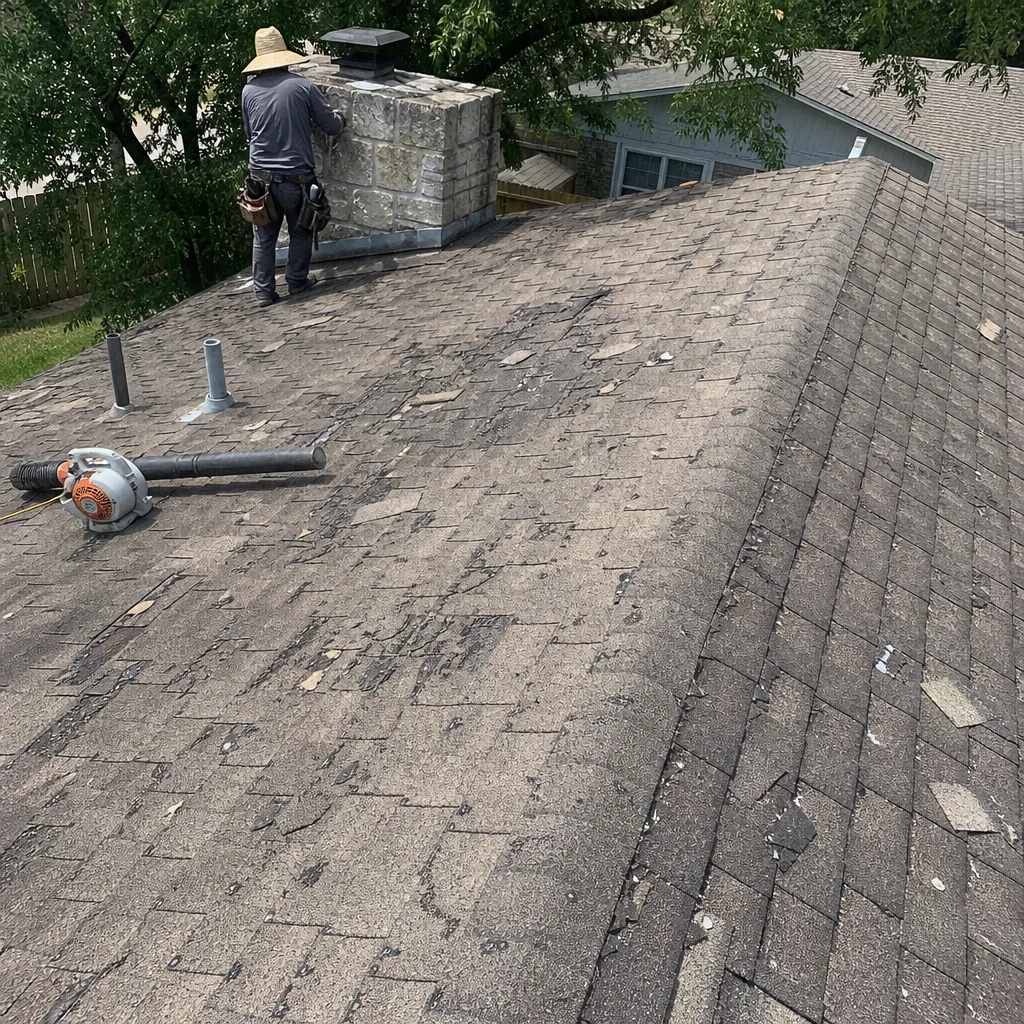 Before
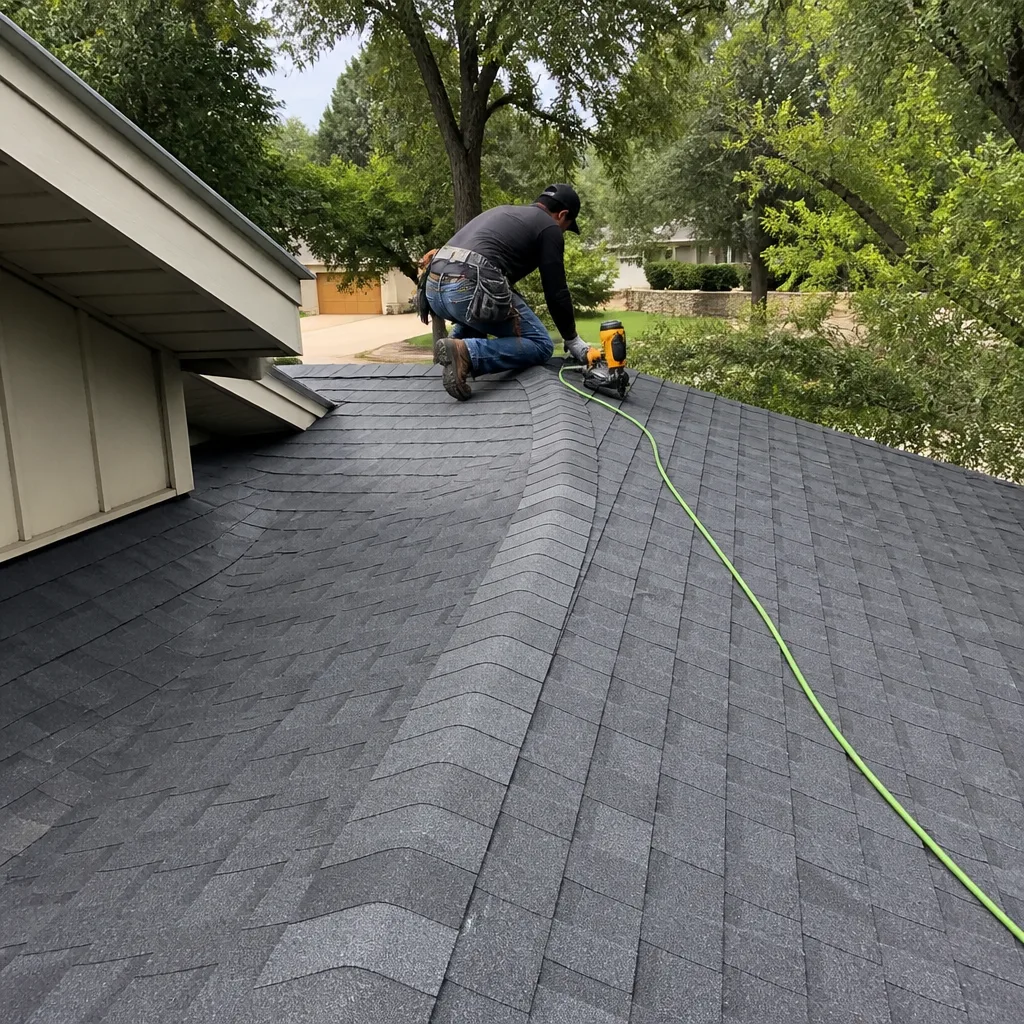 After
After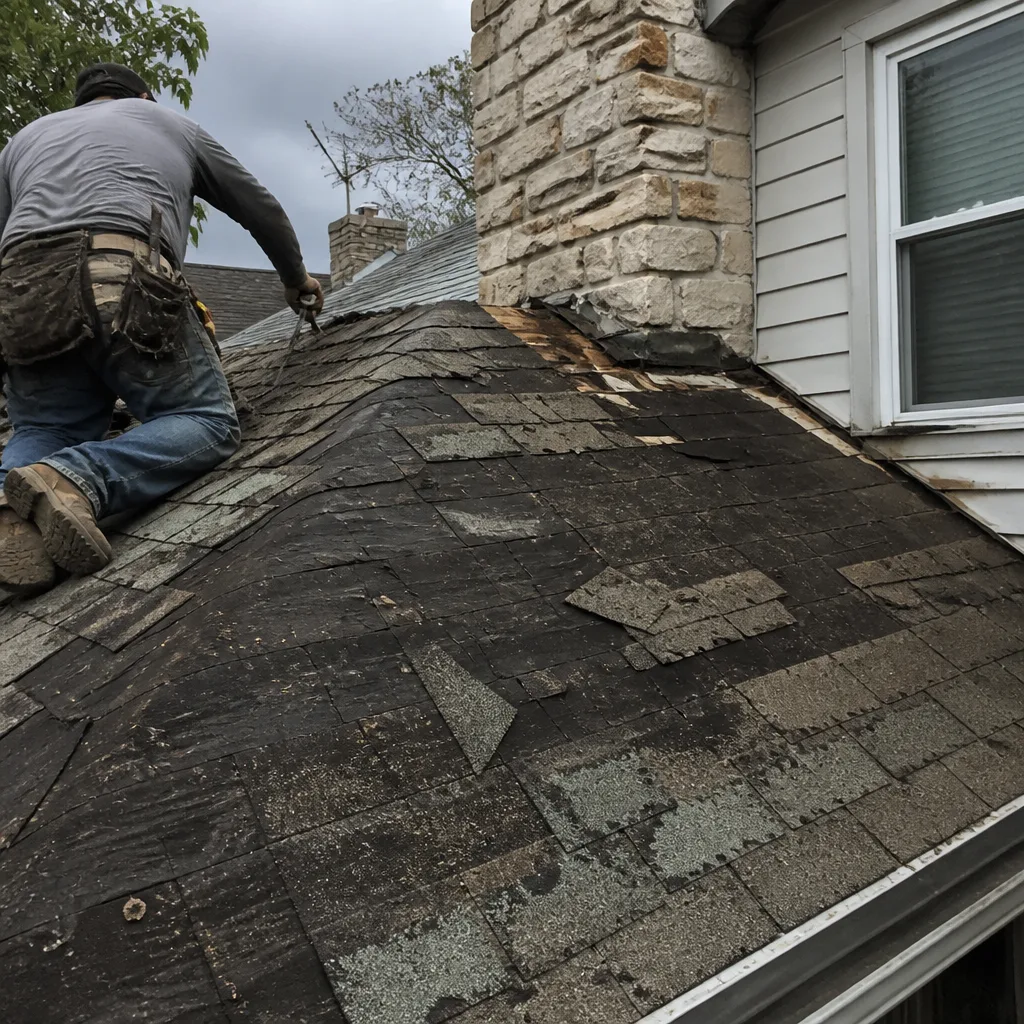 Before
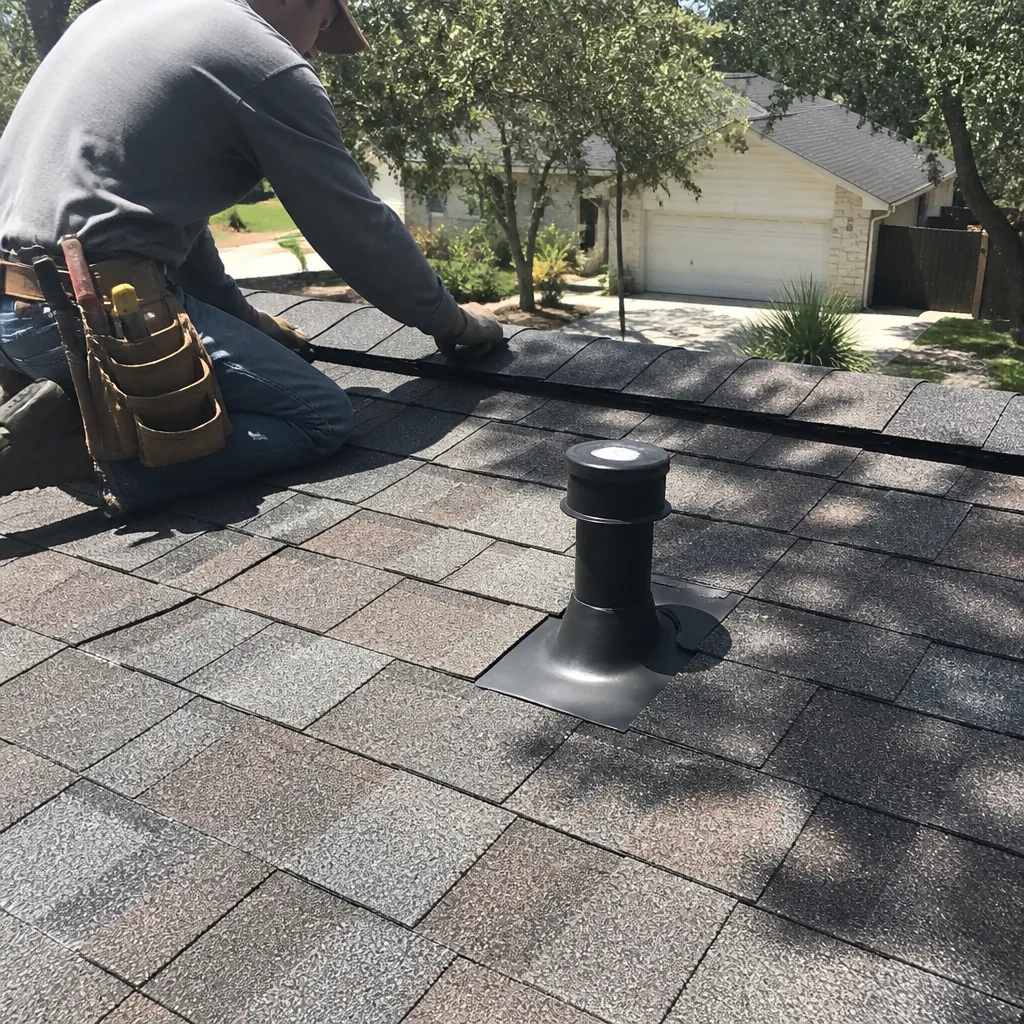 After
After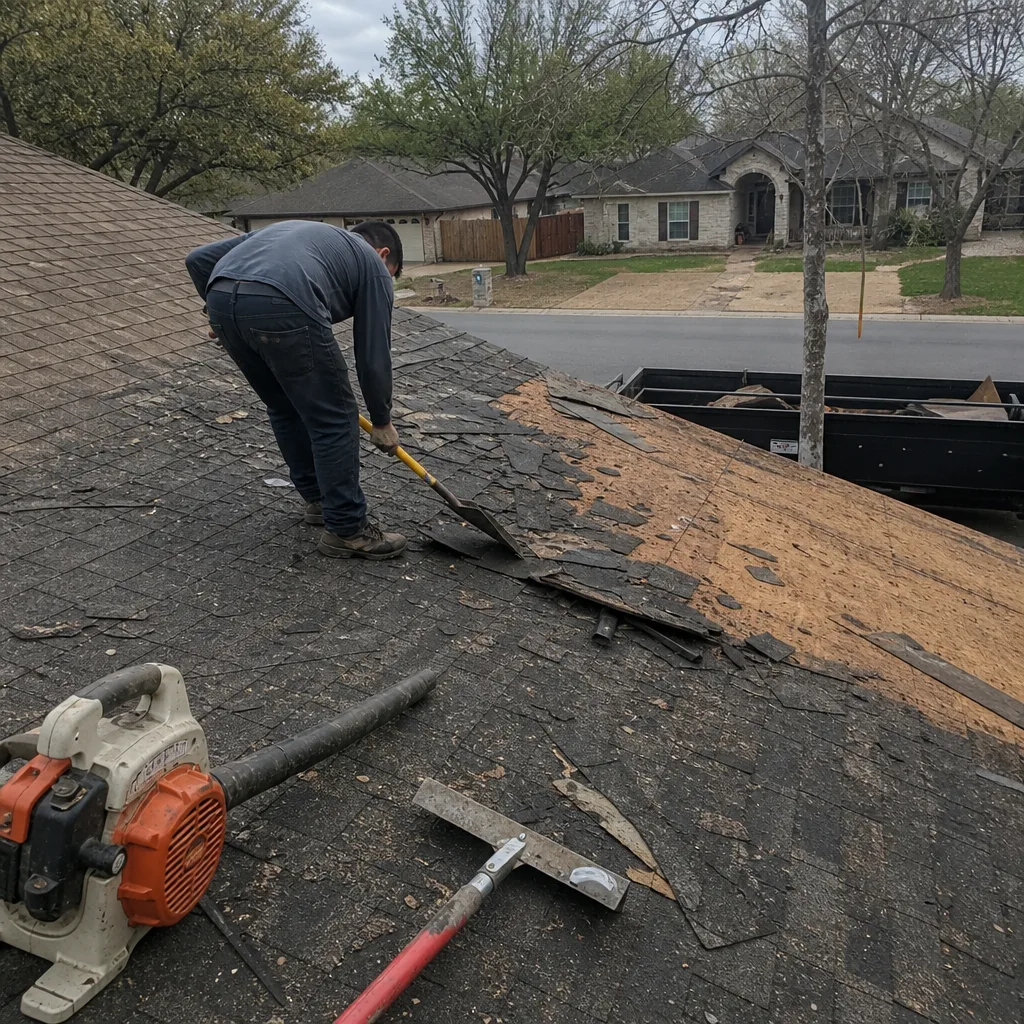 Before
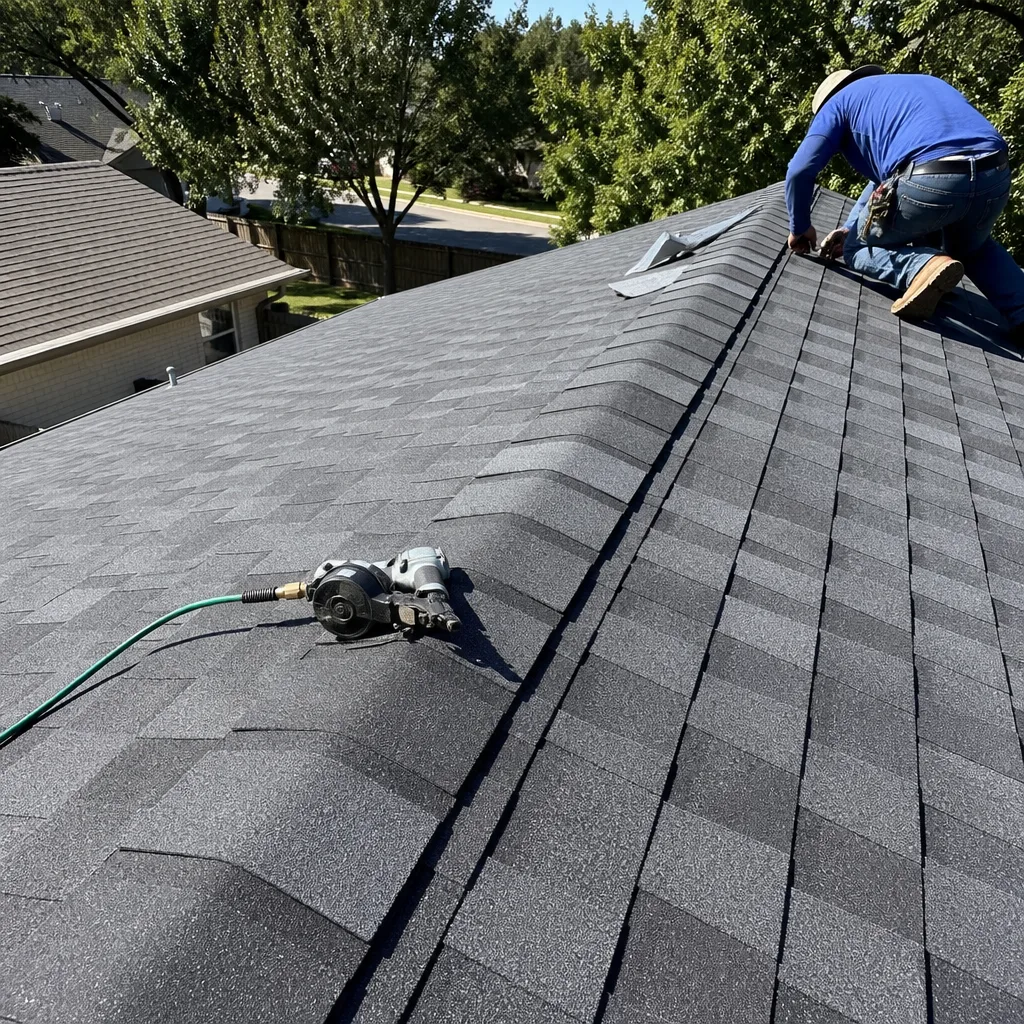 After
After