
Last updated October 17, 2026
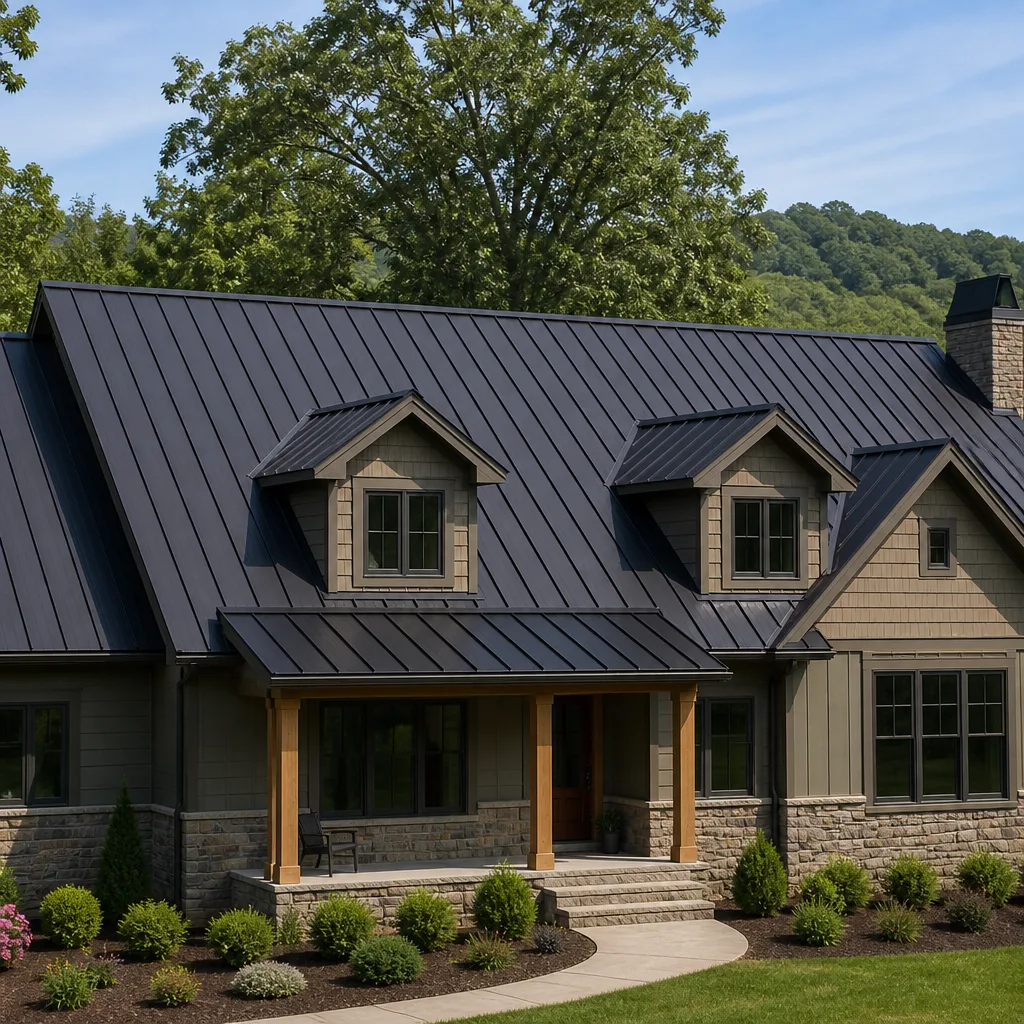 Metal roofing
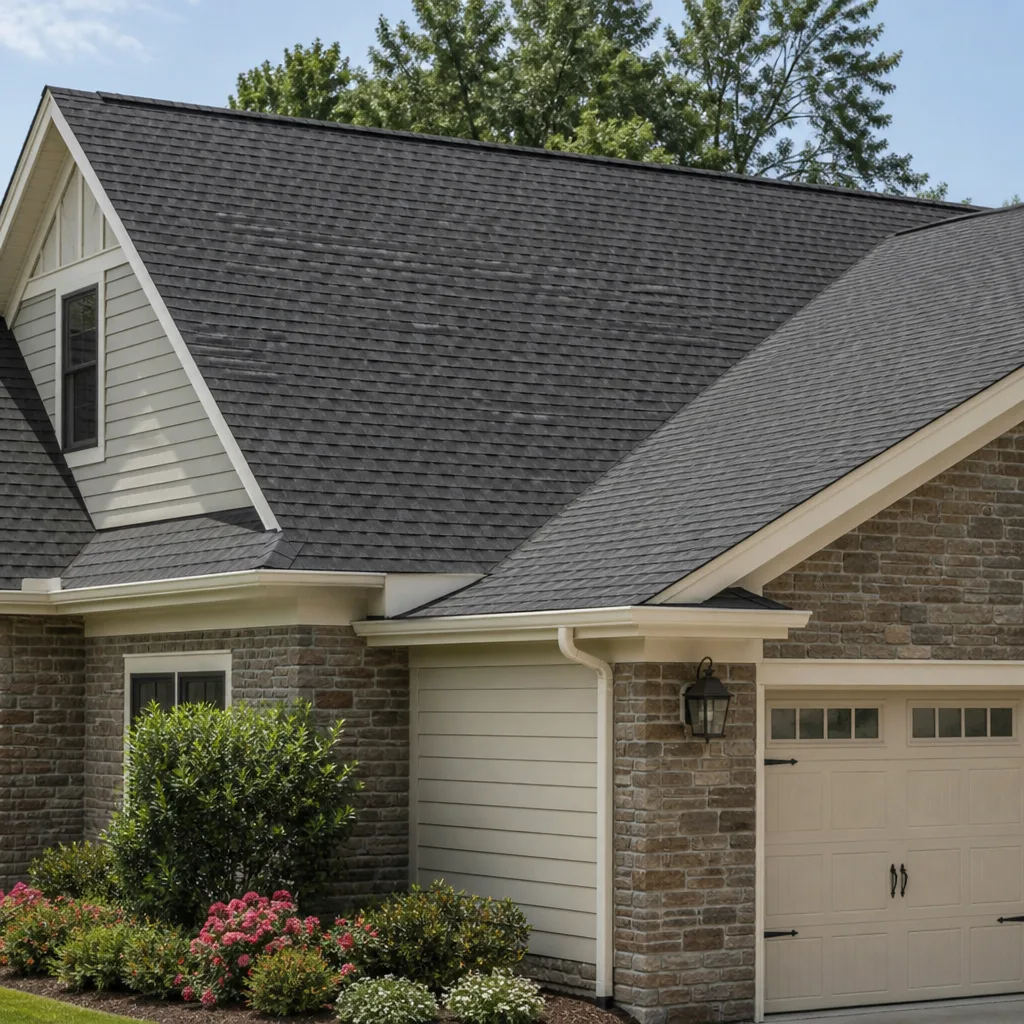 Architectural shingles
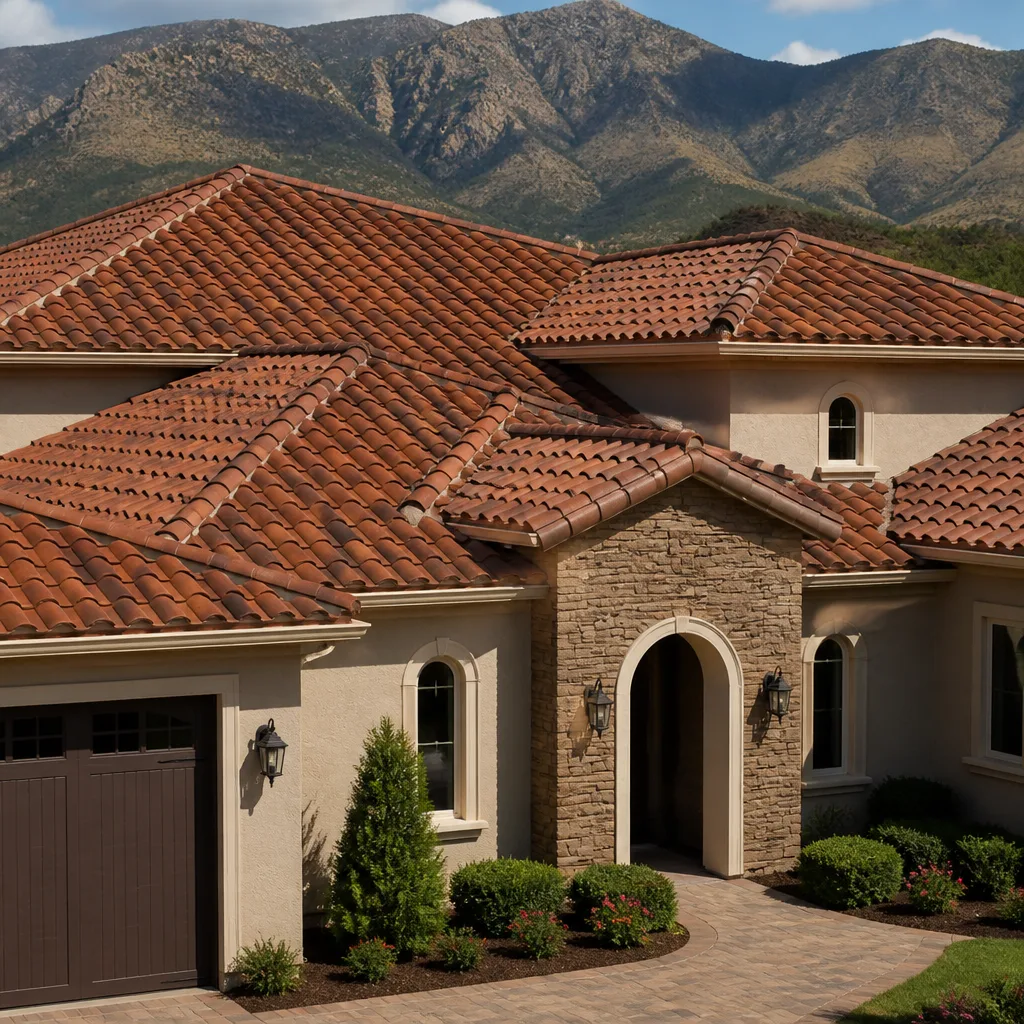 Tile roofing
 GAF
GAF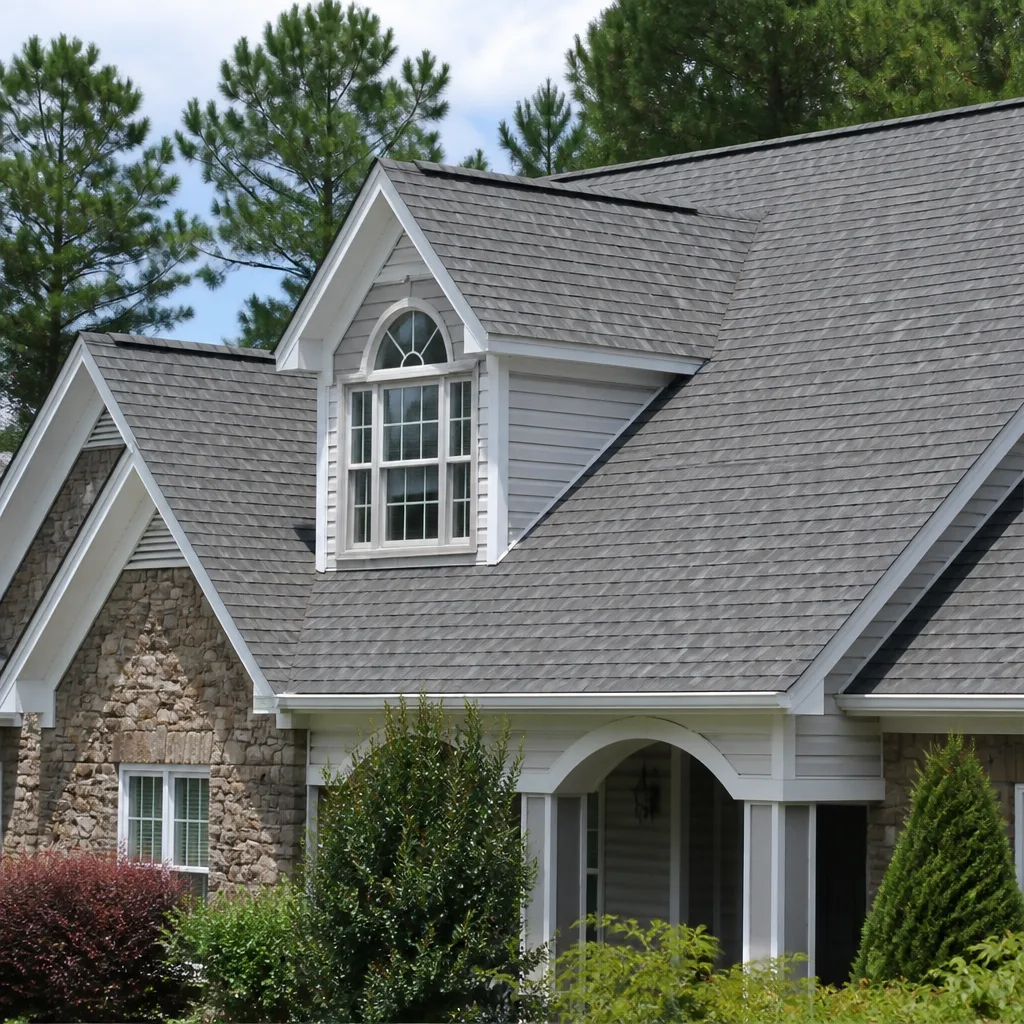 Owens Corning
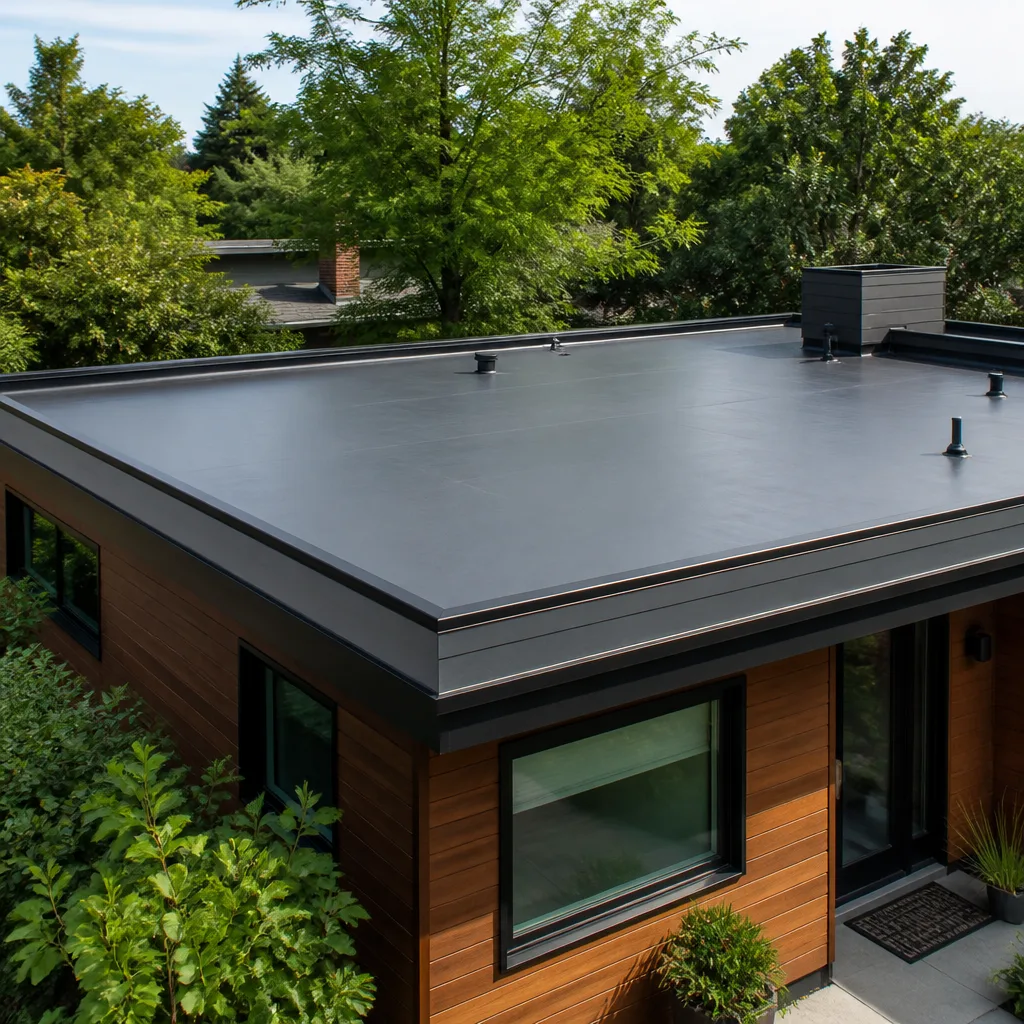 Flat & low-slope
Free roof inspection with deck photos before we talk money - GAF and Owens Corning certified installation
Roofing Cost Breakdown: The Austin Homeowner’s Reference for 2026
Here’s the number most Austin roofing guides won’t give you: the gap between the lowest and highest legitimate bid on the same 2,200-square-foot house is currently running between $4,000 and $12,000 in this market. That’s not contractors gouging or guessing. It’s the difference between a bid that includes decking replacement at $2.50 per square foot and one that doesn’t mention decking at all until the shingles come off. This guide exists so you never sit across from a second bid wondering what you’re actually comparing, and you can explore more guides & resources once you’re done. We’ll walk through every line item on a real Austin re-roof, what it costs in 2026, what can legitimately change the number, and how to read a material spec sheet like someone who’s been doing this since before Google existed.
Styles & brands we work with
Quick Answer
A full roof replacement on a standard single-story Austin home runs $11,000 to $22,000 in 2026, with architectural shingles on a 2,200-square-foot roof landing most often between $14,000 and $18,000. Repairs run $450 to $1,400 for most fixes. The swing depends on roof pitch, decking condition, shingle tier, and whether your bid includes the pieces other contractors leave off the page.
Table of Contents
- The Line-by-Line Breakdown: What a Re-Roof Actually Costs in Austin
- Roof Pitch, Square Footage, and Story Count: The Labor Math Nobody Shows You
- Three-Tab vs. Architectural vs. Impact-Resistant: The Real 2026 Numbers
- “Price at the Door” Changes: Legitimate vs. Padding
- How to Compare Bids on Equal Terms: The Spec Sheet Method
- Austin-Specific Factors: Heat, Hail, Code, and Market Reality
- Paying for It: Financing, Insurance, and the Hail Claim Question
- Common Mistakes to Avoid
- When to Call a Professional
- Frequently Asked Questions
- The Bottom Line
The Line-by-Line Breakdown: What a Re-Roof Actually Costs in Austin
Every legitimate Austin roofing bid is built from the same ten or so components. The problem is that contractors present them differently, bundle some, and omit others until the job is underway. Here’s what each piece actually costs in the Austin market in 2026, based on a standard 2,200-square-foot single-story home with a 5/12 pitch.
Tear-Off Labor: $1,800 – $3,200
Removing the existing roof down to the deck takes a crew of four to six people most of a day, sometimes two. Expect $80 to $110 per square (a “square” is roofing shorthand for 100 square feet). A 2,200-square-foot house has roughly 22 to 24 squares of roof surface, so the math lands in the range above. Steeper roofs and two-story homes push the labor rate higher because crews move slower and take more safety precautions.
Disposal and Dump Fees: $500 – $950
An old roof produces between 4 and 7 tons of debris. In Austin, landfill tipping fees run $85 to $120 per ton, and the roll-off container rental adds another $250 to $400 per job. Drive time to Travis County disposal sites gets baked into this number too. When a bid looks unusually low, this is one of the first things that gets quietly cut.
Decking Inspection and Replacement: $0 – $4,500
Here’s the line item that separates honest bids from cheap ones. Your roof deck is the plywood or OSB layer under the shingles. Austin’s heat and humidity cycle causes decking to warp and delaminate over time, especially in houses built before the 1990s. A responsible contractor inspects every sheet once the old roof comes off and replaces any that are rotted, cracked, or too spongy to hold a nail. At $2.25 to $2.75 per square foot for plywood, replacing 40 sheet-equivalents adds $1,800 to $2,400. On a bad deck, you could see $4,500. The $4,000 to $12,000 bid gap we mentioned earlier? This is most of it. One contractor prices the possible cost in. Another doesn’t mention it and then hands you a change order after tear-off.
Underlayment: $550 – $1,100
Underlayment is the water-resistant barrier between the deck and the shingles. Austin building codes require synthetic underlayment or at minimum 15-pound felt. Synthetic runs $0.22 to $0.28 per square foot installed, which means $500 to $650 for a standard roof. If you’re in a hail-prone corridor and want reinforced synthetic, the cost rises. Some Austin homeowners in areas like Tarrytown and Hyde Park with older homes need a full ice-and-water shield replacement in valleys and around penetrations, which can push this to $1,100.
Drip Edge: $350 – $700
Drip edge is the L-shaped metal flashing along the roof’s perimeter that directs water away from the fascia board. It’s required by code, but older Austin homes frequently lack it, and some contractors quietly skip it to keep a bid low. Replacement runs $5 to $7 per linear foot installed. On a home with 120 to 150 linear feet of eaves and rakes, that’s your range.
Flashing: $400 – $1,200
Flashing is the metal used where the roof meets walls, chimneys, skylights, and valleys. If it’s still in good shape, you may be able to leave it. If it’s rusted or pulling away, replacing it properly costs $400 to $1,200 depending on how many penetrations your roof has. Austin chimneys take a particular beating because the summer expansion and winter contraction cycles are more violent than coastal Texas.
Field Shingles: $3,200 – $9,800
This is the biggest variable in the quote and the one you have the most control over. For a 24-square roof, architectural shingles from GAF, Owens Corning, or CertainTeed installed run $4,800 to $7,200 in the Austin market. Three-tab saves you $1,500 but lasts 9 to 12 years less. Impact-resistant Class 4 shingles from IKO, Atlas, or Tamko run $8,000 to $9,800 but change your insurance math significantly, which we’ll get into below.
Ridge Cap: $250 – $450
The ridge cap is the interlocking shingle line that runs along the peak of your roof. This is a small detail that matters enormously in Austin wind and hail events. Proper ridge cap installation costs $250 to $450 for most homes. The cheap move is to cut field shingles and fold them over the ridge, which looks wrong and fails faster.
Permit and Inspection: $250 – $500
The City of Austin requires a re-roof permit. The fee runs $250 to $500 depending on valuation. Some contractors quote the permit as a separate line item; some fold it in. Either way, if a contractor tells you no permit is needed for a full replacement, walk. Austin’s inspection requirement exists to make sure the underlayment and fastening meet local code, and unpermitted work will surface at resale.
Total, Honest Range: $11,000 – $22,000
That’s the complete picture. A standard re-roof with architectural shingles and no surprise decking replacement should land between $14,000 and $18,000 in Austin in 2026. If you’re replacing impact-resistant shingles or facing significant decking costs, you’re in the upper band. Anyone quoting below $11,000 in this market is either cutting something out or hoping you won’t ask what’s missing.
Roof Pitch, Square Footage, and Story Count: The Labor Math Nobody Shows You
Roofing labor pricing in Austin follows a simple but rarely explained logic: two houses with identical square footage can cost thousands apart because one roof is harder and slower to work on. Here’s the actual math.
Pitch: The 30 – 40% Difference
Roof pitch is expressed as rise over run: a 4/12 pitch rises four vertical inches for every twelve horizontal. A 4/12 is walkable. A 7/12 is not, or barely. Crews on a 7/12 or steeper roof need planks, harnesses, and more setup time, and they work measurably slower. Labor rates jump from roughly $70 per square on a walkable roof to $95 to $110 per square on a steep one. On a 24-square job, that’s a $600 to $960 labor difference before you count the extra dumpster days and slower tear-off. The 30 – 40% premium on labor for steep roofs isn’t a contractor preference, it’s the physical reality of working on a slope in Texas summer heat.
Square Footage: The Confusion Between House Size and Roof Size
A 2,200-square-foot house with a simple gable roof has maybe 22 to 24 squares of roof surface. That same house with a hip roof, dormers, or multiple intersecting rooflines can have 28 to 34 squares. The roof area is always larger than the floor area, and the more complex the footprint, the bigger the multiplier. When contractors quote by the square, they mean roof square, not house square, and the estimate you get will be based on measuring the actual roof surface, not multiplying your living area by a flat factor. Be suspicious of any bid that doesn’t include a roof measurement.
Story Count: Time and Risk
Two-story homes cost more per square because everything moves slower. Shingles go up on a ladder or a lift instead of being handed from the ground, torn-off debris comes down in a controlled chute, and crews take more safety time. Expect a 15 – 20% labor premium on two-story work in Austin. If you’re on the second story with a steep pitch, the premium compounds.
The Numbers in Practice
- 1,800 sq ft single-story, 4/12 pitch: $9,500 – $14,000
- 2,200 sq ft single-story, 5/12 pitch: $11,000 – $18,000
- 2,200 sq ft two-story, 7/12 pitch: $16,000 – $24,000
- 3,400 sq ft two-story, 7/12 pitch, hip roof: $24,000 – $38,000
These ranges assume architectural shingles and no major decking replacement. They’re what Austin homeowners should expect to see on credible written bids in 2026.
Three-Tab vs. Architectural vs. Impact-Resistant: The Real 2026 Numbers
The shingle you choose changes not just the cost but the lifespan, the insurance premium, and how the roof holds up to Austin’s specific weather pattern: punishing heat, sudden hail, and spring storms that show up hard. Here’s the honest comparison.
Three-Tab: Cheap Now, Expensive Later
Three-tab shingles are the flat, single-layer product you see on budget builds and rental properties. Material cost runs $65 to $85 per square installed, which on a 24-square roof lands at $4,000 to $4,800 total for the field shingles. They carry a 20- to 25-year manufacturer warranty and typically hold up 12 to 18 years in Austin’s heat. The problem is vulnerability: three-tab shingles tear easily in hail and blow off in high winds. Insurance companies know this, which is why three-tab roofs increasingly draw higher premiums or outright refusal in hail-prone Travis County corridors.
Architectural: The Austin Standard
Architectural shingles (also called dimensional or laminated) are thicker, layered, and carry a 30- to 50-year warranty. Installed cost runs $7,200 to $9,800 on a standard Austin roof. They handle wind and hail measurably better, and they last 22 to 30 years in this climate. For the vast majority of Austin homeowners, this is the right product. The brand matters less than the install quality: a GAF Timberline installed badly fails faster than a budget architectural shingle installed properly. What matters at the bid stage is the manufacturer’s document, not the sales pitch.
Impact-Resistant Class 4: The Insurance Math
Class 4 impact-resistant shingles from manufacturers like IKO, Atlas, and Tamko are rated to survive simulated hail impact of a 2-inch steel ball dropped from 20 feet. They cost $8,000 to $9,800 for the field shingles on a standard roof, roughly $1,000 to $2,500 more than standard architectural. The payoff in Texas is the insurance discount: many Austin insurers offer 15% to 35% premium reductions for Class 4 roofs because they reduce hail claim frequency dramatically. On a $3,500 annual premium, that’s $525 to $1,225 back every year. Over a 25-year life, the premium reduction can be worth more than the roof itself. If you’re in a north Austin neighborhood that catches regular hail, Class 4 is increasingly the financially rational choice, not the premium one.
Which One Is Right for You?
- Cash-strapped, selling soon, or covering a rental: three-tab saves money now but caps resale appeal.
- Planning to stay 10+ years: architectural is the value pick and the resale standard.
- In a hail corridor or tired of rising premiums: Class 4 pays itself back through insurance savings even if you never file a claim.
“Price at the Door” Changes: Legitimate vs. Padding
Every Austin homeowner who’s been burned by a roofing contractor has the same story: the number on the estimate was not the number on the invoice. For help spotting trouble early, see our Roofing Warning Signs: A Austin Homeowner’s Reference Guide. Sometimes that’s fraud. More often, it’s a contractor who wrote a partial bid to win the job and then leaned on the legitimate variables once the roof was open. Here’s how to tell the difference.
Five Legitimate Variables After Tear-Off
- Hidden decking rot. Decking can’t be fully inspected until the shingles come off. If 30 sheets are rotten, that’s a real change order. A credible contractor photographs every sheet and shows you the damage before replacing it.
- Missing drip edge. Older Austin homes frequently lack it, and code requires it on replacement. If it wasn’t in the original bid, the fix is legitimate but should have been anticipated.
- Inadequate ventilation. If your attic intake and exhaust are insufficient, local code may require adding vents. This is a real cost and a real improvement.
- Rotted fascia or rafter tails. The board behind the gutter doesn’t reveal itself until the old roof edge comes off. If it’s soft, it gets replaced.
- Skylight or chimney flashing failure. If the flashing around a penetration is too far gone to reuse, it’s a legitimate addition.
Padding That Isn’t Legitimate
- “We need to upgrade your underlayment” when the bid already specified synthetic. That’s not an upgrade. That’s double-billing.
- “Code changed last month” without a specific code reference. Austin’s roof code updates are published. Ask for the section number.
- “Your rafters need reinforcement” from a crew that hasn’t measured the span. Structural work requires an engineer’s review, not a foreman’s opinion.
- “Disposal fees went up” by more than 10% from the bid. Landfill rates don’t move that fast.
The protection is simple and it’s the thing we insist on for every job we touch: get the written price before the work starts, and make sure the price includes a line-by-line material list so any mid-job change can be compared against a document instead of a handshake. That’s the only way to know whether a “change” is real or manufactured.
How to Compare Bids on Equal Terms: The Spec Sheet Method
Most Austin homeowners compare bids by looking at the total number at the bottom. That’s how a $4,000 gap shows up between two bids that quote the same product. When you ask every contractor to produce the same spec, the noise disappears.
Here’s the process we recommend to anyone getting a roof replacement in Austin.
- Ask for a written material list by line. Shingle brand and model, underlayment brand and type, drip edge gauge, flashing material, ridge cap model, ventilation product. If they won’t put it in writing, they won’t stand behind it.
- Verify the shingle manufacturer’s data sheet. Two numbers tell you more than any pitch: the warranty length and the wind rating. A shingle rated for 110 mph winds versus 130 mph is a different product, and the difference shows up in the first tornado-season storm.
- Check the underlayment spec. It should say “synthetic” or a specific felt weight. “Standard underlayment” is not a spec.
- Ask who pulls the permit. If the answer isn’t “we do,” the bid doesn’t include a real job.
- Get the guarantee in writing. Not the manufacturer’s warranty, the contractor’s workmanship guarantee. If a repair fails, do they come back? For how long? Does it cost you anything?
When every bid uses the same line items, the comparison becomes honest. The difference between contractors isn’t material price at that point. It’s whether they answer the phone, show up when they said they would, and stand behind the work. As the roofing company in Austin that homeowners call after someone else walked away from a bad repair, we see this every week: written specs are the single best tool for weeding out the contractors who won’t last.
We’ve written more about this in our guide to roof replacement in Austin, including what a complete replacement should include and what it should never skip.
Austin-Specific Factors: Heat, Hail, Code, and Market Reality
Austin is a hard market for roofs. The same home in Dallas or Houston faces different weather, different code, and different insurance. Here’s what makes Austin pricing and product selection unique.
Heat Cycle Durability
Austin’s real enemy isn’t just the big hail event. It’s the 90-degree-plus days that repeat for six months, baking shingle adhesive and premature-aging underlayment. The heat cycle here is harder on asphalt shingles than anywhere else in Texas except the actual border. We routinely see 25-year three-tab roofs fail at year 13 in neighborhoods like Allandale and Crestview, where the original mid-century roofs weren’t designed for the current temperature curve. Architectural shingles hold up better because the double layer creates air channels that dissipate heat.
Hail and Wind: The Insurance Corridor
North Austin and the Hill Country corridors west of MoPac catch more frequent hail than the rest of the city. If you live in Steiner Ranch, Lakeway, or along 2222, your insurance carrier has probably already raised your premium or added a wind/hail deductible. Impact-resistant shingles change the math in these areas specifically. In central and south Austin, a severe storm might hit once every several years, and architectural shingles are usually sufficient.
Code Requirements
The City of Austin adopted the 2021 International Residential Code with local amendments. The relevant points for homeowners: continuous ridge vent or box vents are required for attic ventilation, synthetic underlayment or two layers of 15-pound felt are accepted, and drip edge is mandatory on all replacement roofs. A contractor who says “we don’t need to pull a permit for this” is telling you they won’t be held to any of these requirements.
Market Labor Rates
Austin’s construction labor market runs hot. Between the ongoing buildout in Leander, Cedar Park, and Round Rock, and the renovation wave in central neighborhoods, roofing crews are in constant demand. That keeps labor at the top of the Texas range: $70 to $110 per square on walkable roofs in 2026. It’s also why the cheapest bid is usually the least reliable: a crew that can charge more elsewhere and chooses not to is often a crew that can’t keep skilled workers.
If you’re in the middle of comparing bids or wondering whether a repair makes more sense than a replacement, our roof repair in Austin guide walks through the decision matrix.
Paying for It: Financing, Insurance, and the Hail Claim Question
The cost of a roof in Austin is significant, but the financing and insurance options are more flexible than most homeowners assume. Here’s the realistic landscape in 2026.
Insurance Claims: The Hail Rule
If your roof was damaged by a named storm or confirmed hail, your homeowner’s policy may cover replacement minus your deductible, which in Austin is typically 1% to 2% of your dwelling coverage. On a $500,000 dwelling limit, that’s a $5,000 to $10,000 deductible. The math shifts your decision: a $16,000 roof with a $10,000 hail deductible costs you $10,000 out of pocket, but the insurance check covers the rest. The catch is that Texas insurers are tightening hail claims, and many Austin policies now have separate wind/hail deductibles. Review your declarations page before you assume what’s covered.
The Class 4 Premium Discount
Mentioned above but worth restating: installing impact-resistant shingles qualifies many Austin policies for a premium discount. The discount is applied after installation, so you’ll need a certificate from your contractor confirming the product used. This is a long-term cost reduction, not a claim payment.
Contractor Financing
Most reputable Austin roofing companies offer financing through third-party lenders, typically 12 to 60 months at rates that reflect your credit. The honest caveat: dealer financing is not usually the cheapest money. If you have a home equity line or cash from a refinance, the interest rate will generally be better. But for a $15,000 roof, a 36-month financing option at 9% to 14% keeps the payment manageable without draining savings.
The Long-Term Cost Question
The cheapest roof is never the cheapest over 25 years. A $10,000 three-tab roof that fails at year 14 costs you $714 per year. A $16,000 architectural roof that lasts 25 years costs $640 per year and looks better when you sell. The math favors the better product almost every time, which is why we tell Austin homeowners to price by decade, not by bid.
Common Mistakes to Avoid
- Comparing bids by total price only. Two bids can be $5,000 apart and both be “honest” if one includes decking and the other doesn’t. Demand a line-by-line material list from both and compare the lines, not the total.
- Assuming the roof area matches the floor area. A complex roofline can add 30% more roof surface than the living square footage suggests. If a bid uses your house square feet instead of roof squares, the measurement hasn’t been done.
- Not asking about the permit. Austin requires one for replacement. No permit means no inspection, and no inspection means your future resale disclosure gets complicated.
- Choosing three-tab because it’s cheaper now. In Austin’s heat and hail cycle, three-tab fails years early and actually increases insurance costs. You’re buying a recurring problem, not a one-time expense.
- Accepting “we’ll check the decking later.” This is the number-one source of mid-job change orders in our market. Ask for a written commitment that specifies per-sheet decking replacement cost before the job begins.
- Ignoring the workmanship guarantee. A manufacturer’s warranty covers shingle defects. It doesn’t cover poor installation, which is what actually causes premature failure in Austin. The contractor’s written guarantee is the one that protects you.
- Waiting to file a hail claim. Texas law gives you two years from the date of loss, but the longer you wait, the harder it is to prove causation. If you see hail damage after a storm, document it and call your carrier within weeks, not years.
When to Call a Professional
Roof work is not a weekend project. A single-story Austin roof on a 5/12 pitch is physically demanding and full of hidden dangers: nail-gun injuries, heat exhaustion in summer, and falls that account for more construction fatalities than any other accident type. If you have a two-story home or a roof steeper than 6/12, don’t even consider it without professional equipment and training. The dangerous parts aren’t just the height either. Walking on an older roof can cause damage you don’t see until the next rain, and the repair cost then outweighs any savings you’d had doing it yourself.
If you’re in Austin and you have specific questions about your roof, Tilehurst Roofing Austin offers free estimates with written details. Call (254) 540-7345 and a person will answer, not a voicemail queue. You’ll get a real number in writing before any work starts, and you can ask all the questions in this guide directly to someone who will give you straight answers.
Frequently Asked Questions
Most Austin roof replacements run $11,000 to $22,000, with a standard single-story architectural shingle job landing between $14,000 and $18,000. The range is driven by roof pitch, two-story labor, decking condition, and shingle tier. Call (254) 540-7345 for a specific written estimate based on your roof’s actual measurements.
Legitimate changes happen when hidden problems surface, most commonly rotted decking that couldn’t be seen until tear-off. Dishonest changes happen when a contractor underbid to win the job and then invents problems. The protection is a written line-item bid with a stated per-sheet decking replacement price before work begins. If a contractor can’t put that in writing, keep looking.
Yes. The City of Austin requires a re-roof permit that includes an inspection of the underlayment and fastening. Any contractor who says otherwise is not doing a code-compliant job, and unpermitted work becomes your problem at resale.
Most Austin roof repairs run $450 to $1,400. Small leaks around flashing run $450 to $700. A ridge cap replacement runs $600 to $1,200. A decking patch with shingle replacement runs $900 to $1,400. The exact number depends on what’s leaking and how long it’s been going on. Tilehurst Roofing Austin writes the guarantee on every repair before our crew leaves your property.
Most Austin roof replacements take two to five days from tear-off to inspection. Single-story simple gable roofs can be finished in two days. Two-story homes with steep pitches and complex rooflines run four to five. Weather delays in spring storm season can extend the schedule.
For most Austin homeowners in hail-prone corridors, yes. Class 4 shingles cost $1,000 to $2,500 more but reduce insurance premiums by 15% to 35% on many policies, and the savings compound over the 25-year life of the roof. Homeowners in central and south Austin with lower hail exposure may find standard architectural shingles are sufficient.
The Bottom Line
Austin roof pricing in 2026 is not a mystery. The mystery is created by contractors who leave lines off their bids and then name a change order later. The homeowner’s defense is knowing what every line ought to cost, asking for the written material spec, and refusing to accept a bid that can’t be compared line by line. If you want a roof that’s priced in writing before the first shingle comes off, with a company that answers when you call and stands behind every repair, start with the Tilehurst Roofing Austin home page and call (254) 540-7345 for a free estimate. The guide above gives you the reference points. The rest is just getting someone on the phone who will tell you the truth.
Written by Greg Holloway, Owner at Tilehurst Roofing Austin, serving Austin since 2000.
See the difference
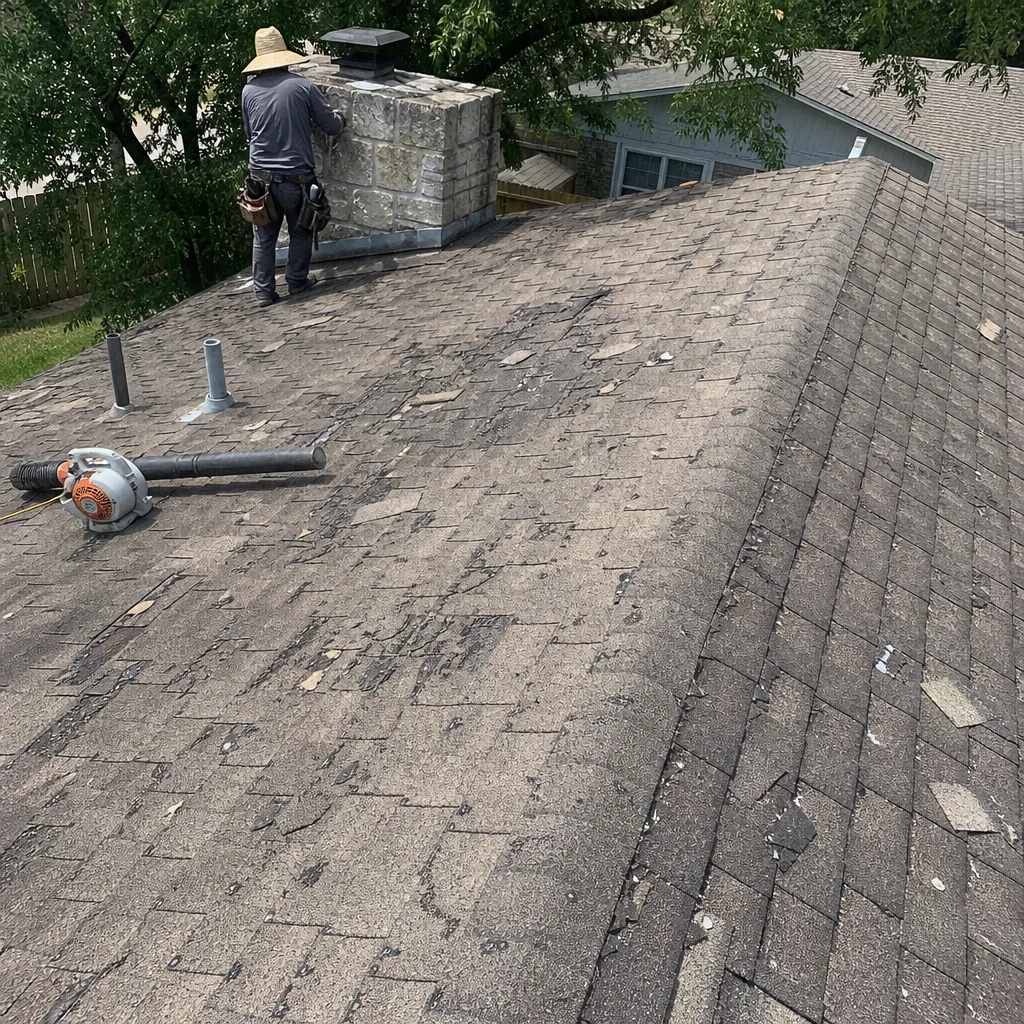 Before
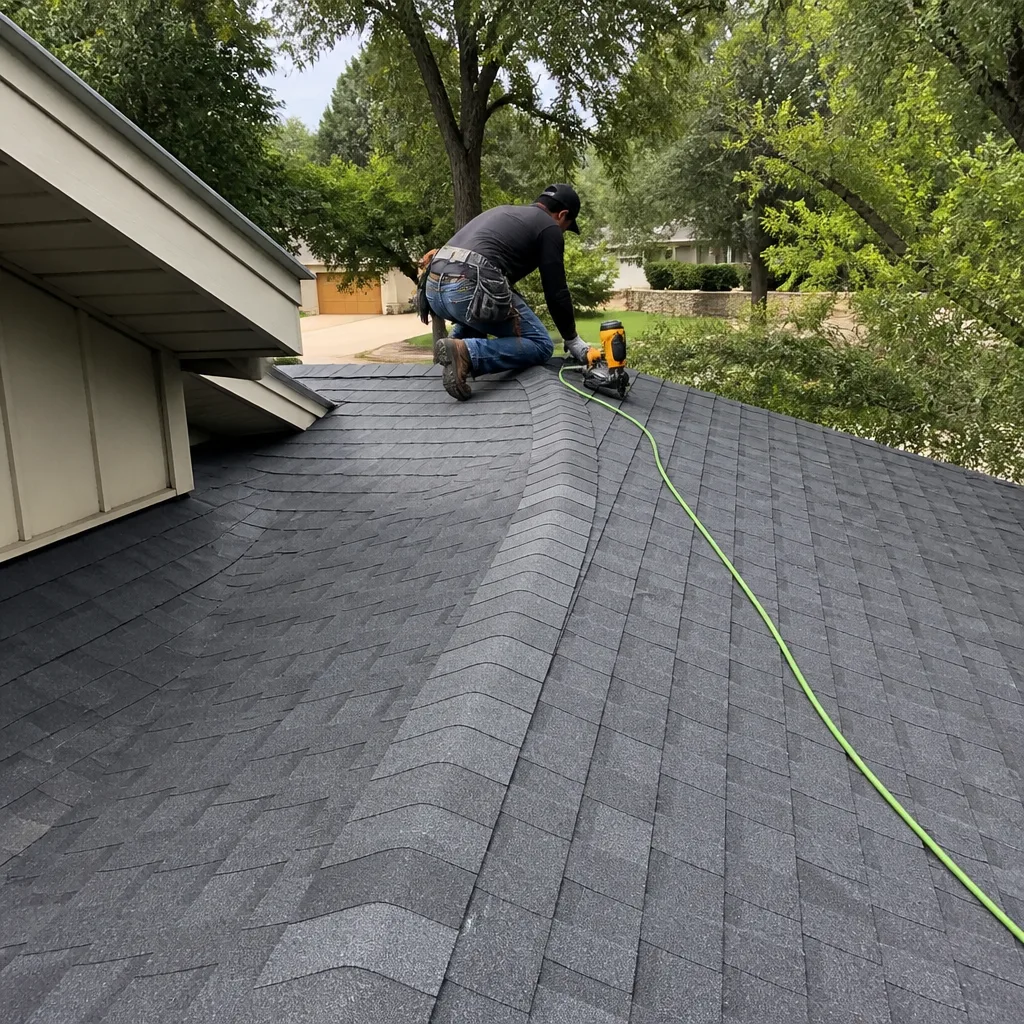 After
After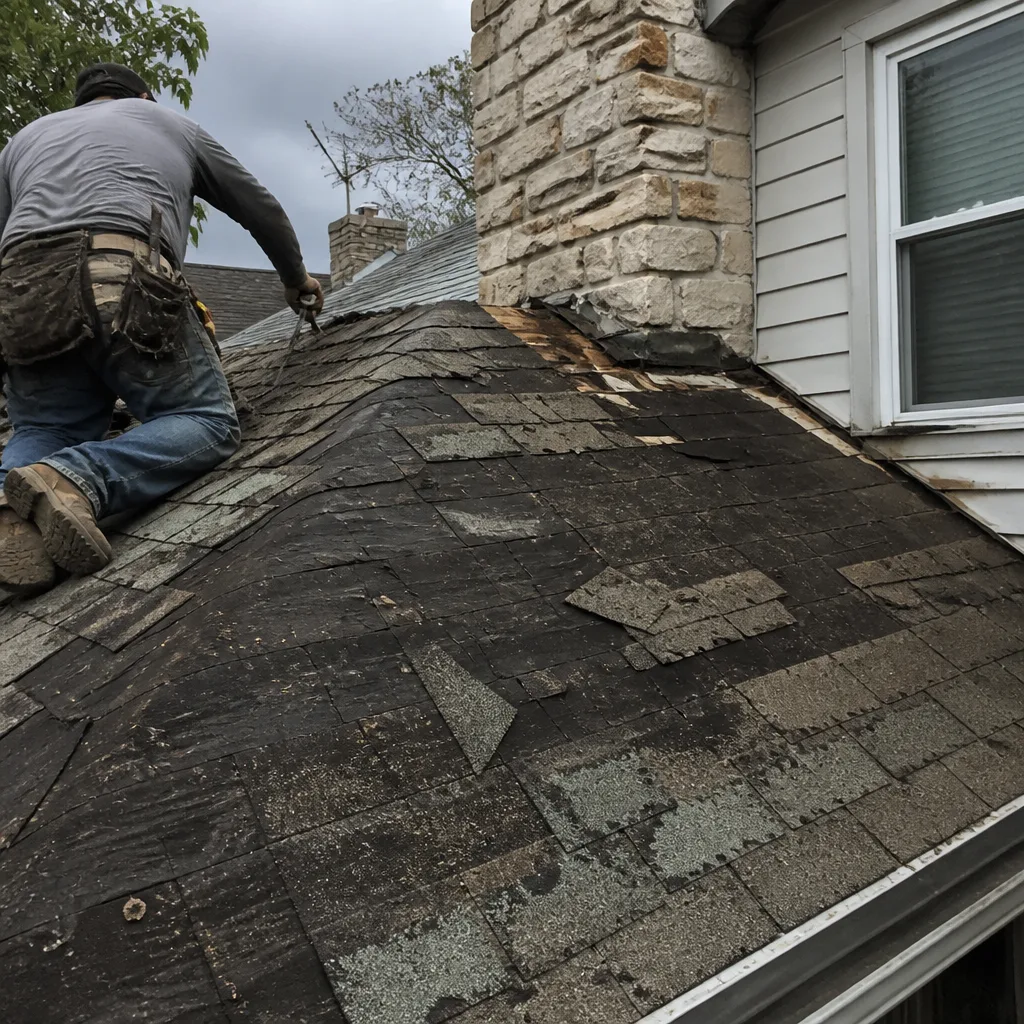 Before
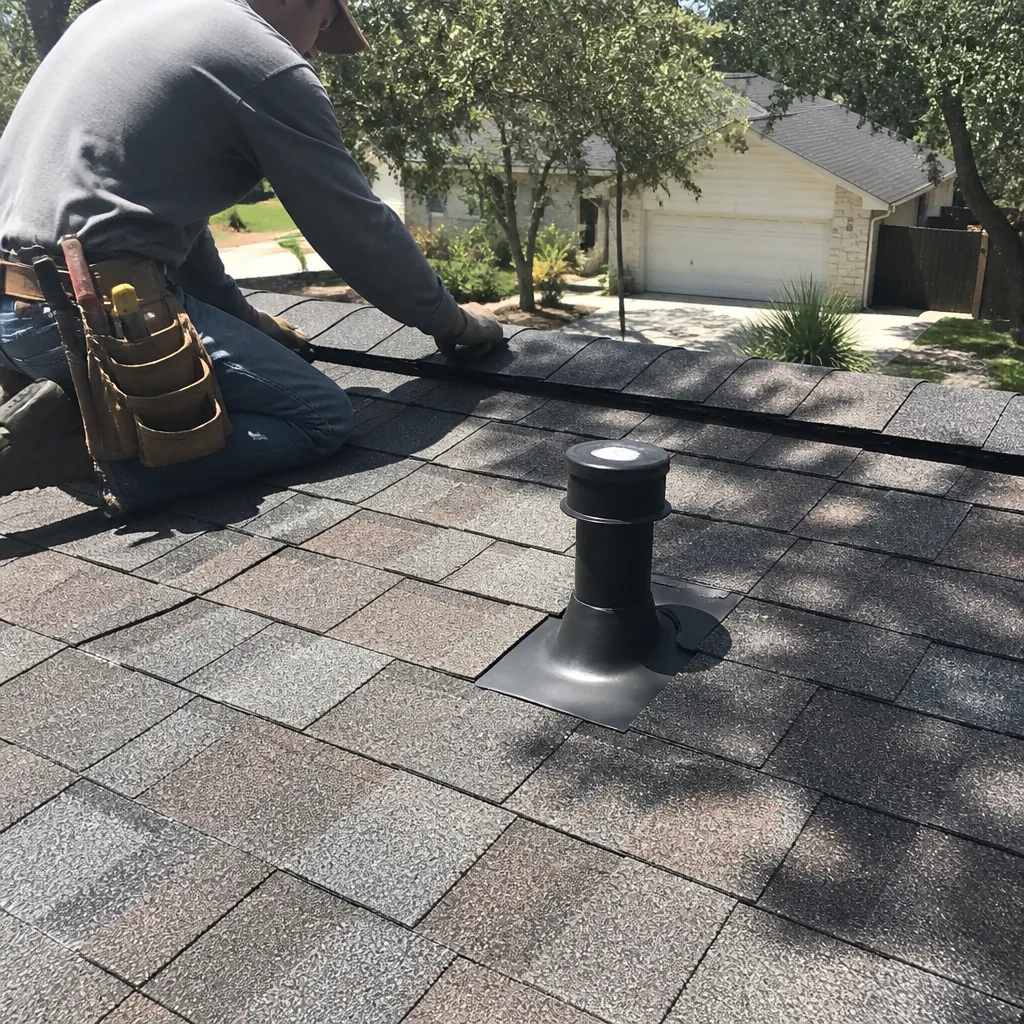 After
After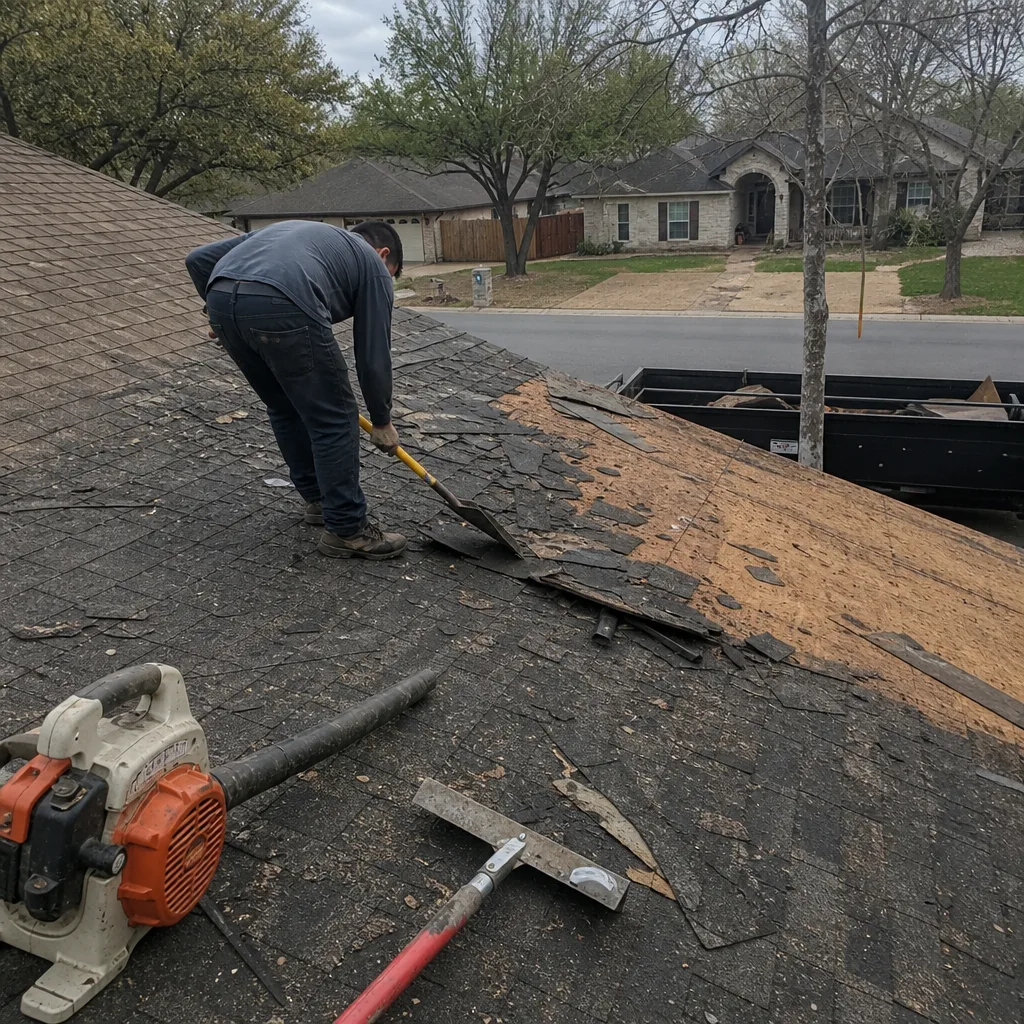 Before
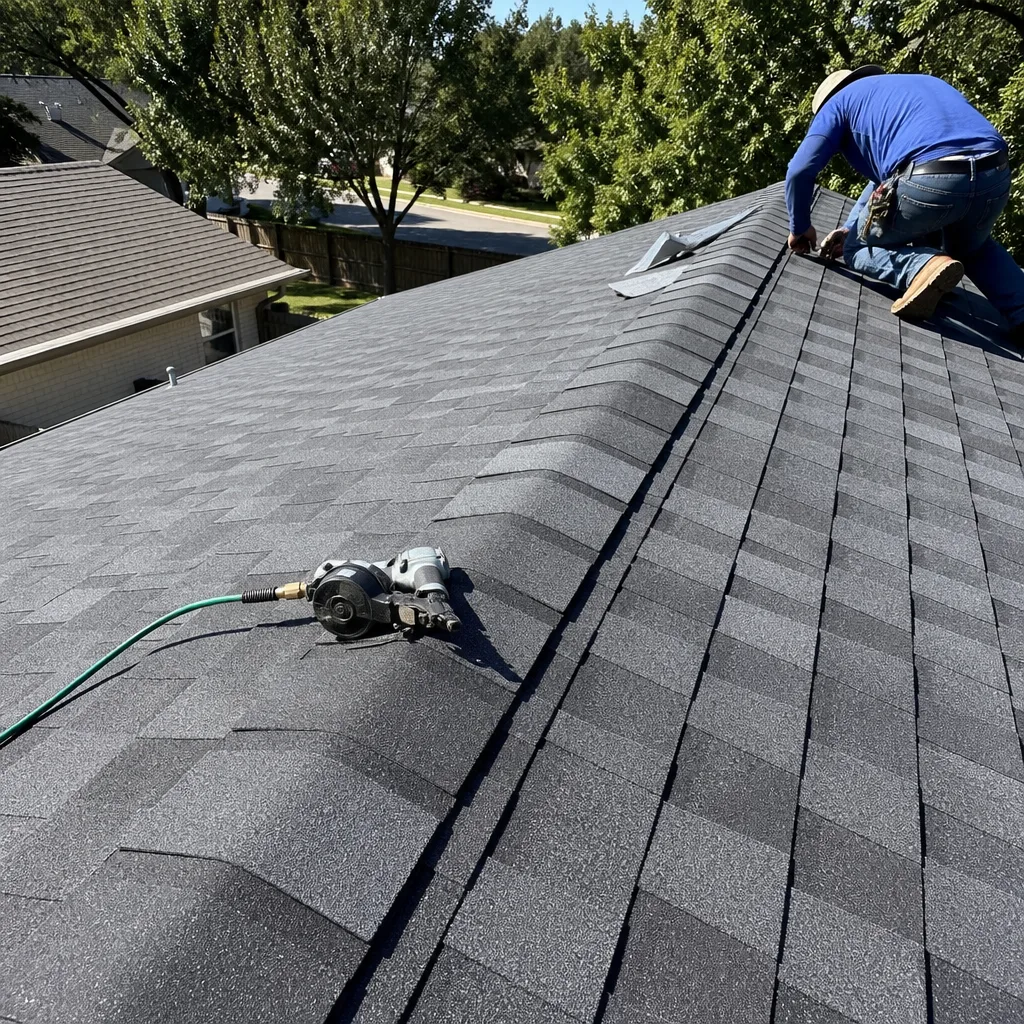 After
After