
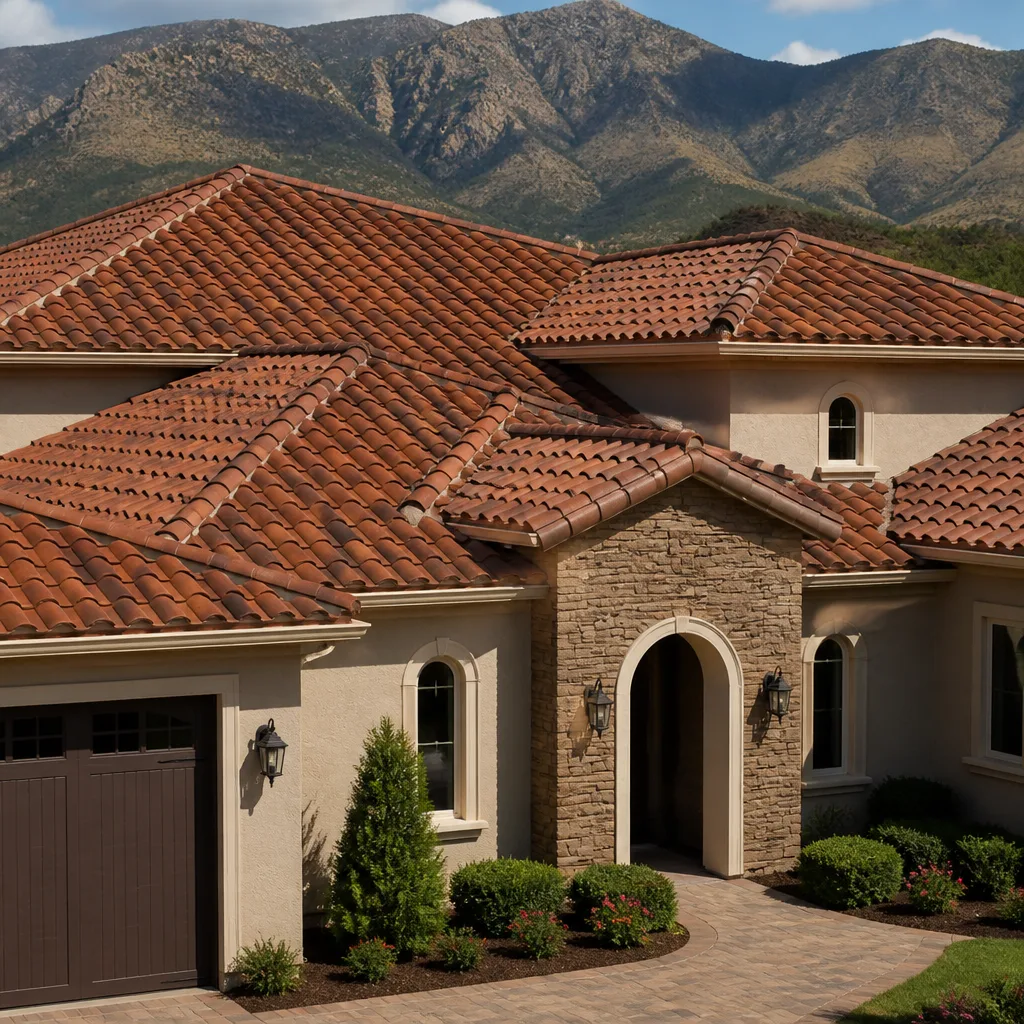
 Tile roofing
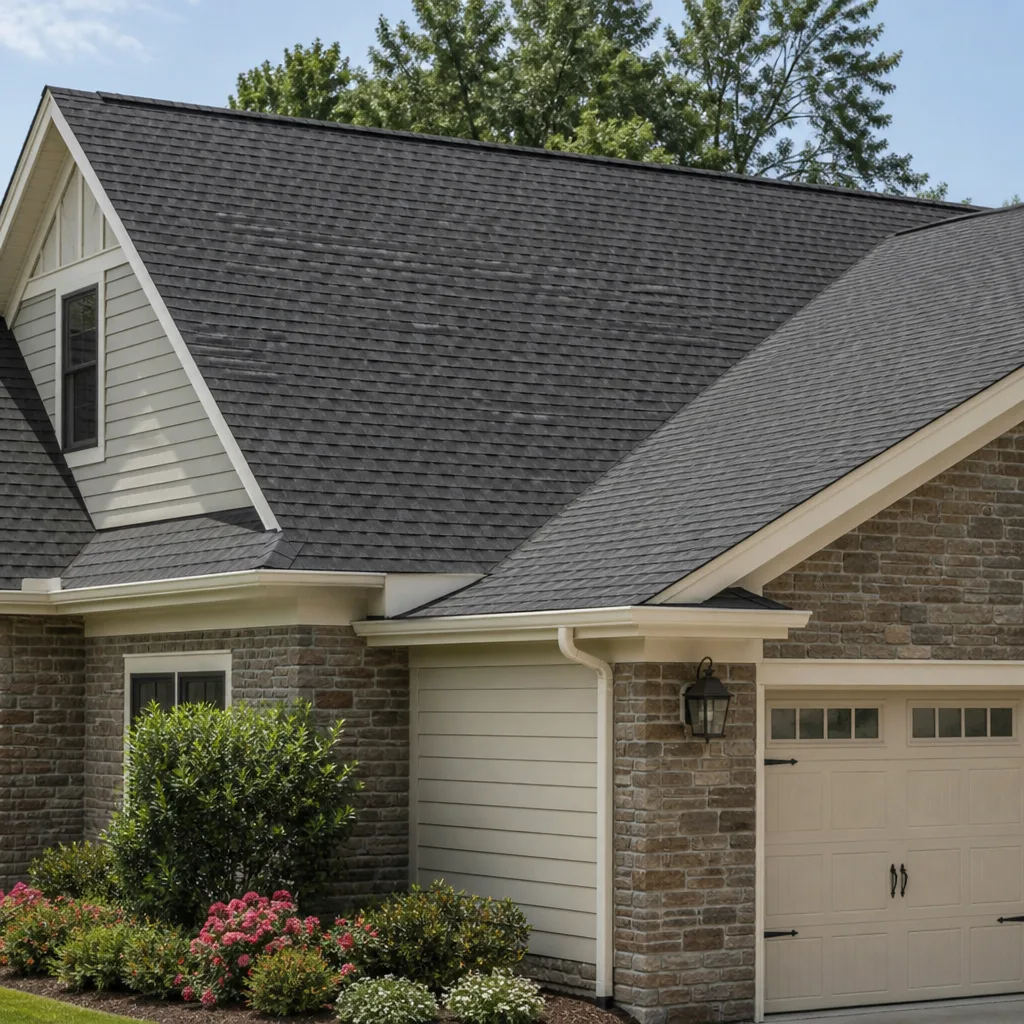 Architectural shingles
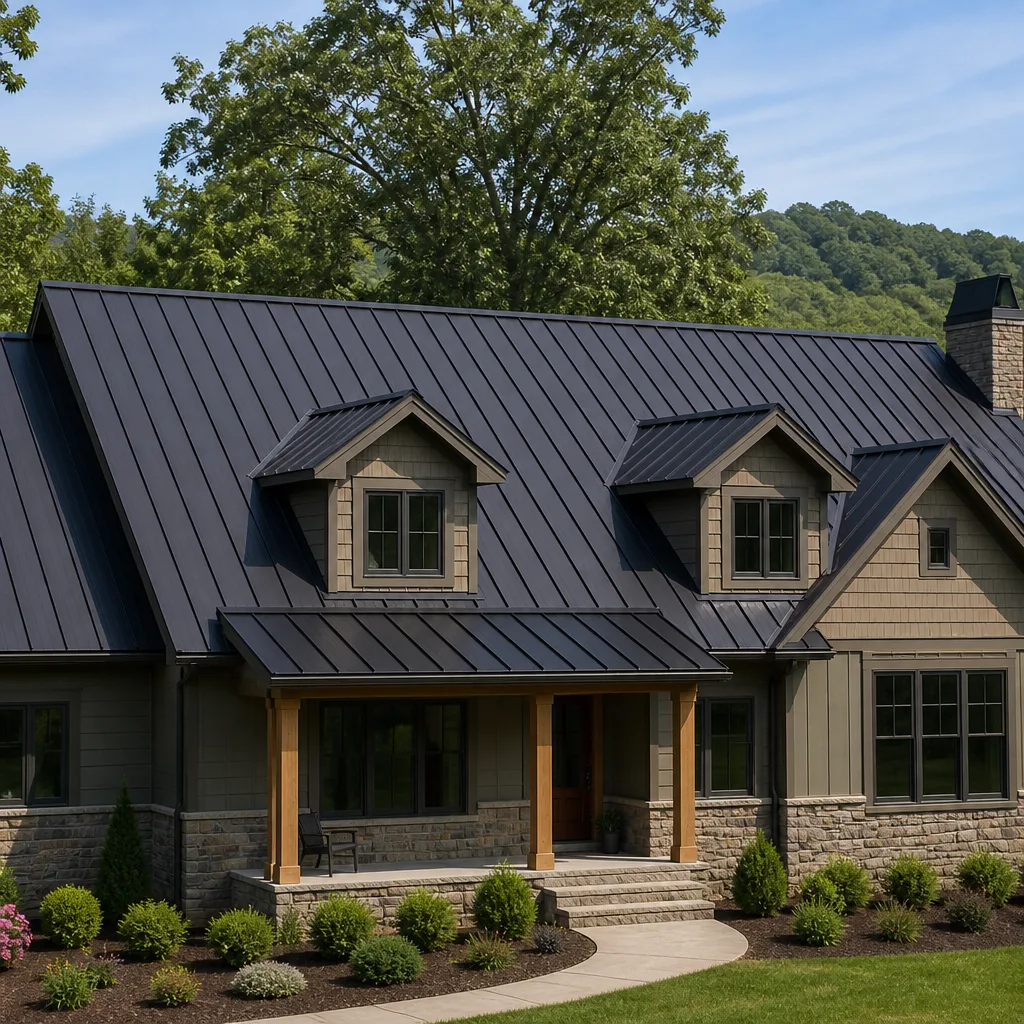 Metal roofing
 GAF
GAF Owens Corning
 Flat & low-slope
Free roof inspection with deck photos before we talk money - GAF and Owens Corning certified installation
IKO Underlayment & Deck Repair: The Austin Owner’s Guide
If your IKO shingles are failing because the underlayment beneath them gave out long before the shingles did, you’re looking at a deck and underlayment repair that typically runs $2,800 to $6,500 installed in Austin, depending on how much decking has to come up and whether we’re working on a simple gable or a cut-up roof with valleys, chimneys, and pipe penetrations. We stock IKO-compatible underlayment on our trucks, and our crews can usually get a standard repair done in a single day. Most Austin homeowners discover this problem the hard way: a leak shows up on the ceiling after a hard spring storm, we get on the roof, and what looks like a simple shingle issue turns out to be rotted decking with underlayment that’s been failing quietly for years.
The frustrating part is that the shingles themselves might still have life in them. IKO makes a solid architectural shingle, and in Austin’s climate they can hold up for 15 to 20 years when installed correctly. The underlayment underneath is the part that takes the real beating during our long hot summers, and once it fails, the decking (the plywood or OSB sheathing nailed to your rafters) starts absorbing moisture every time it rains. By the time you see the water stain on your ceiling, that section of deck has usually been compromised for a while.
Which IKO Models This Applies To
This page applies to every IKO shingle line we install and repair in Austin: the Cambridge architectural series (including the heavier Cambridge IR), the Dynasty performance shingle, the Nordic premium architectural, and the Royal Estate dimensional line. The underlayment and deck issues we’re describing don’t discriminate between IKO models, because the underlayment is a separate layer installed between the decking and the shingles themselves. If you’ve got any of these IKO products on your roof, the information here applies to you.
Here’s what matters for parts identification: IKO specifies synthetic underlayment as their preferred base layer, and their own branded options include IKO StormShield (a peel-and-stick ice and water barrier) and IKO RoofGard synthetic. Some Austin roofers still use basic #15 felt, but felt degrades significantly faster in Texas heat. If your original install used felt, that’s probably why it’s failing now. The decking itself is typically 1/2-inch or 5/8-inch CDX plywood or OSB, and Austin building codes require us to replace any section that’s delaminated, soft, or showing more than minor surface staining. We treat IKO’s published installation specs as the baseline, and where local conditions call for more, we go heavier. One gotcha: if your home was built before 2000 in neighborhoods like Brentwood or Crestview, the original decking may be 3/8-inch plywood spaced on 24-inch centers, which is too thin and too widely spaced for most modern IKO shingle warranties. That’s a compatibility issue we flag during every repair estimate, because putting good underlayment over bad deck spacing just moves the problem down the road.
On the OEM versus aftermarket question: we use IKO StormShield and RoofGard when the job calls for IKO-branded materials and the homeowner wants full manufacturer spec. But there are quality aftermarket synthetics, like the ones from GAF, Owens Corning, and CertainTeed, that perform equally well in Central Texas conditions and can save you $300 to $500 on a larger repair. We’ll show you the options and the price difference before you commit. Tilehurst Roofing Austin is an independent service provider, not an IKO dealer or affiliate, so our recommendation is based on what performs best on your specific roof, not what we’re obligated to push.
Styles & brands we work with
Signs Your IKO Underlayment & Deck Repair Is Failing
- Ceiling stains or drips during heavy rain. This is the one that gets most Austin owners to pick up the phone. If water is reaching your ceiling, it has already traveled through failed underlayment and saturated decking. The stain you see is usually the last step in a process that’s been underway for months.
- Soft spots when you walk the roof. If a section of your roof feels spongy underfoot, that’s decking that has lost its structural integrity. In Austin’s alternating wet-dry cycles, OSB that gets waterlogged once never fully regains its original rigidity, even after it dries.
- Granules in your gutters along with curling shingle edges. Granule loss is a shingle issue, but curling edges let water reach the underlayment. Once the underlayment is exposed to UV and water intrusion simultaneously, the clock starts ticking on a full replacement.
- Visible sagging between rafters when you look at the roof line from the street. Decking that’s absorbed enough moisture to deform will show as a subtle dip between rafter lines. This is especially visible on older homes in Hyde Park and Travis Heights, where the original decking may predate modern ventilation standards.
- Mold or musty smell in the attic after rain. This is an early warning sign that underlayment has failed even if you haven’t seen a ceiling stain yet. Moisture is getting into the attic space, and it’s breeding mold in the insulation before it ever reaches your drywall.
See the difference
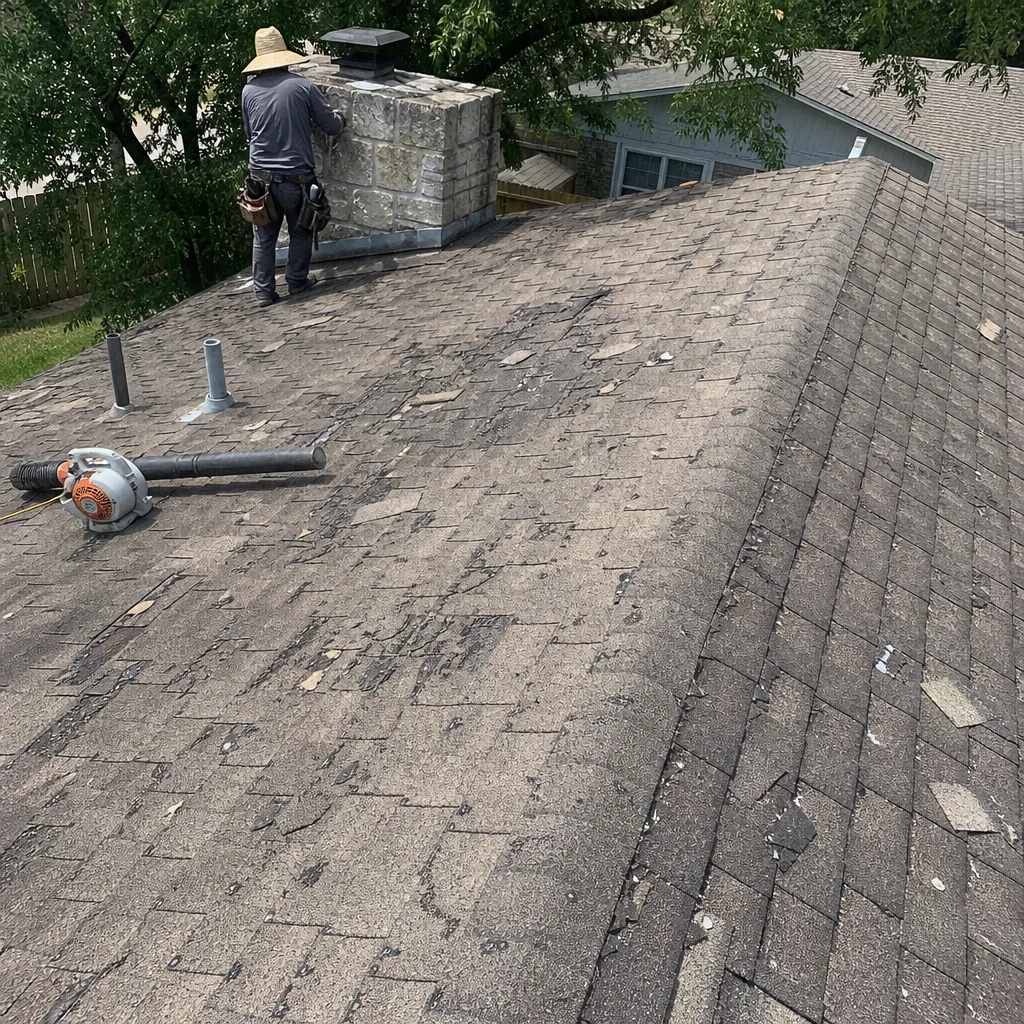 Before
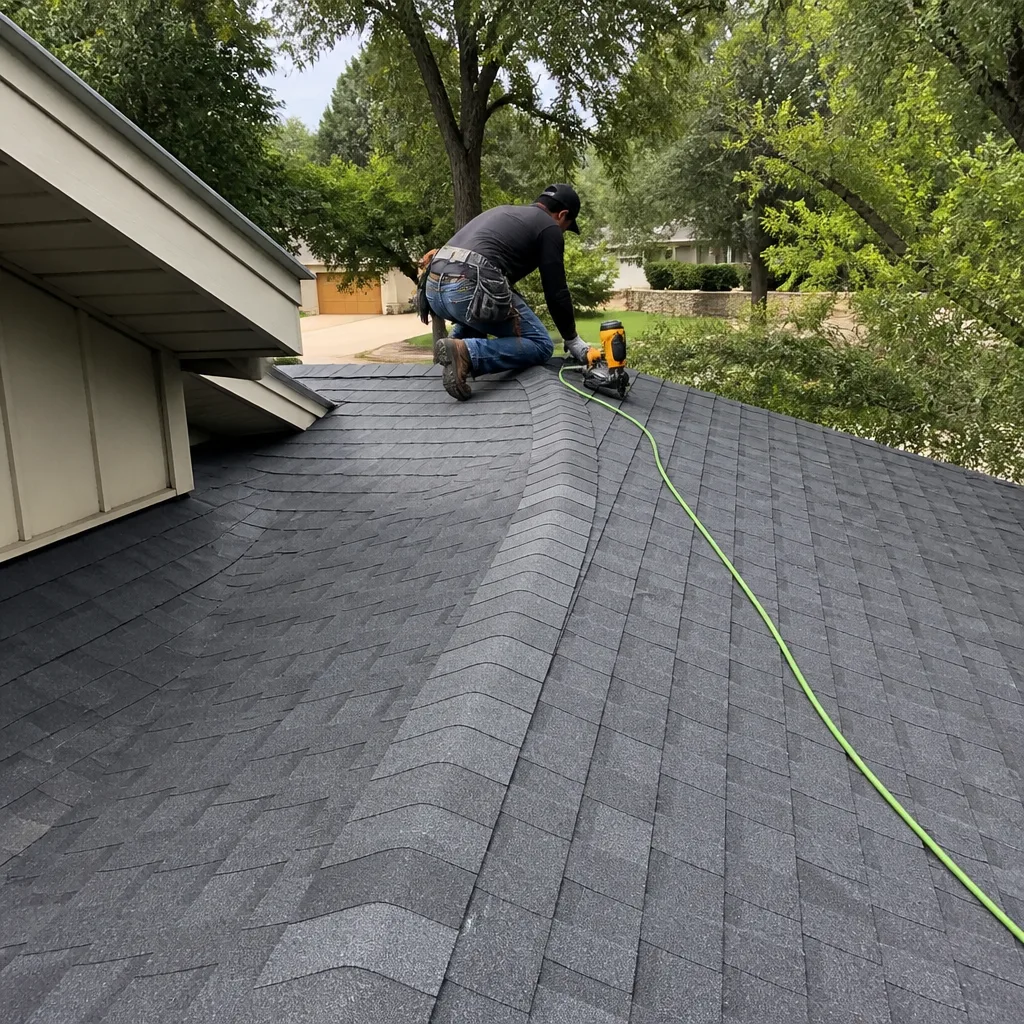 After
After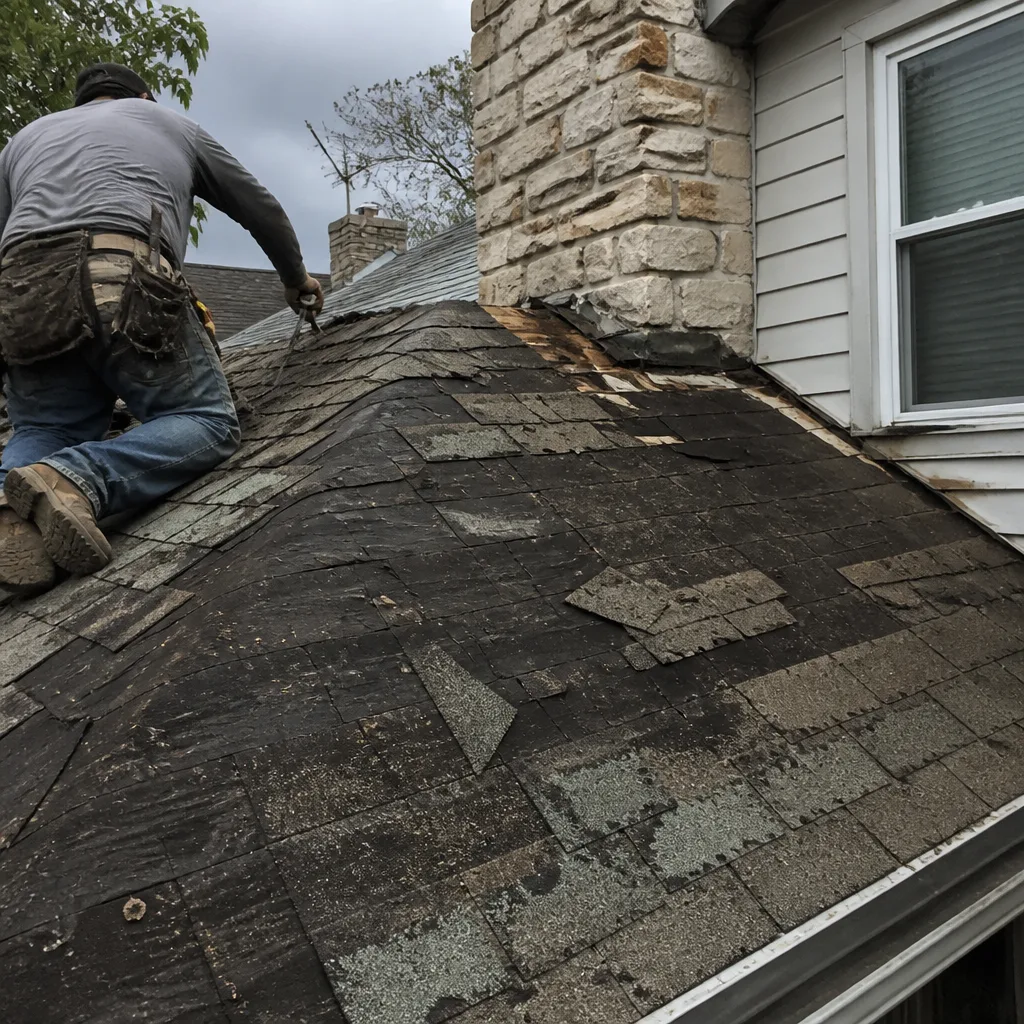 Before
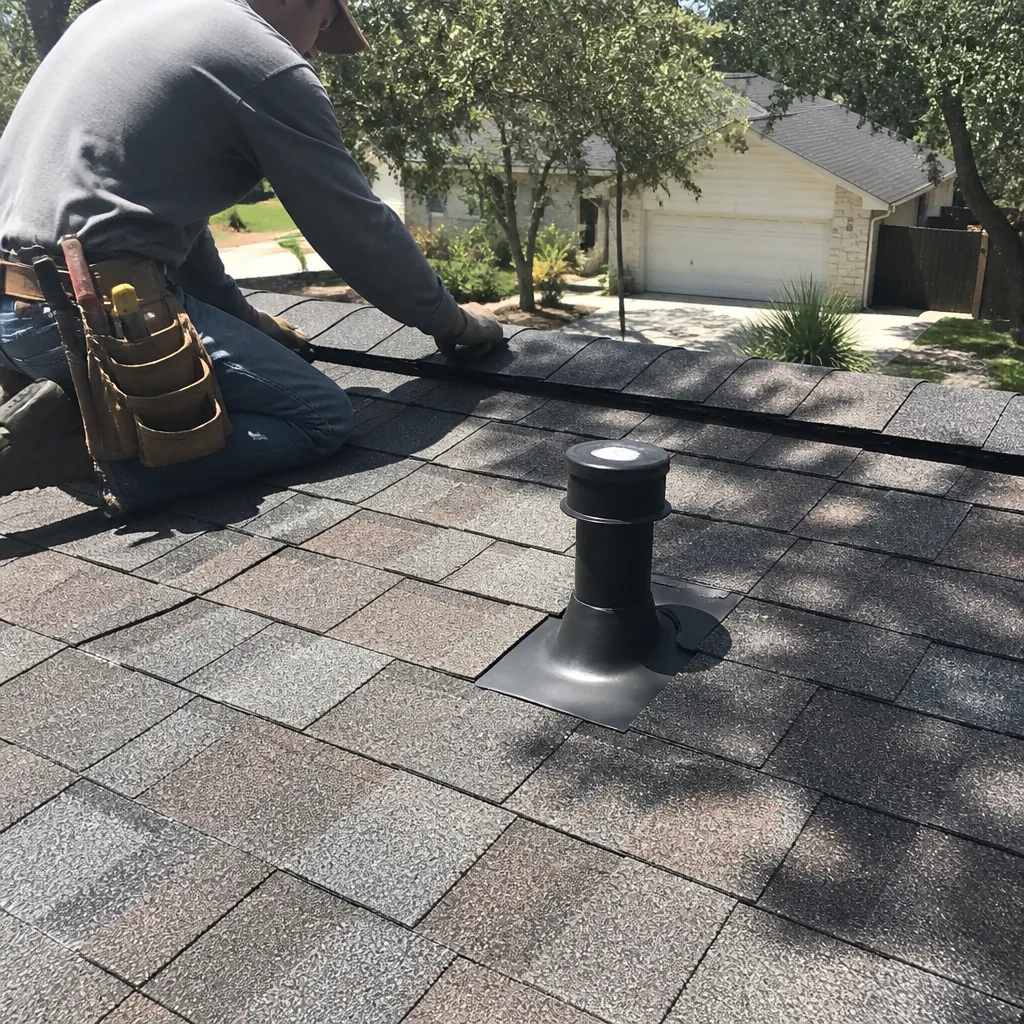 After
After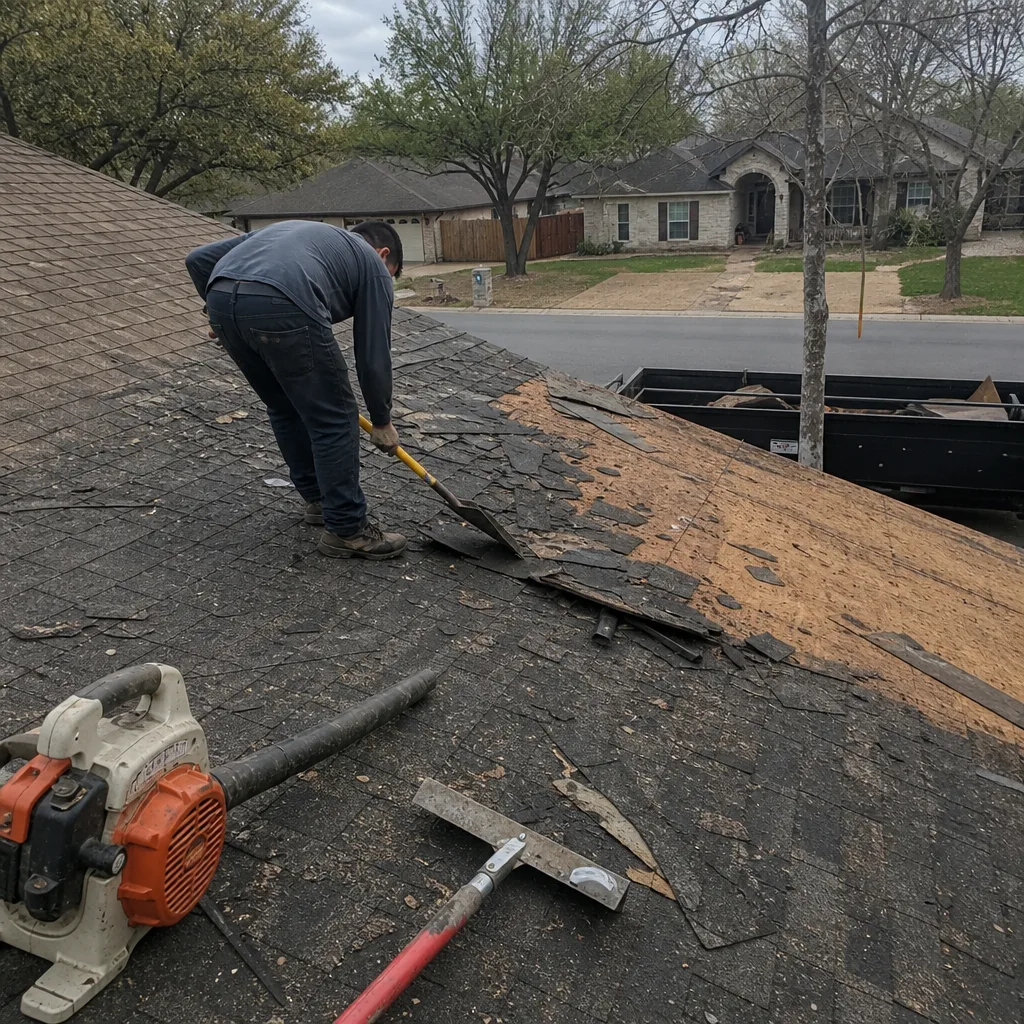 Before
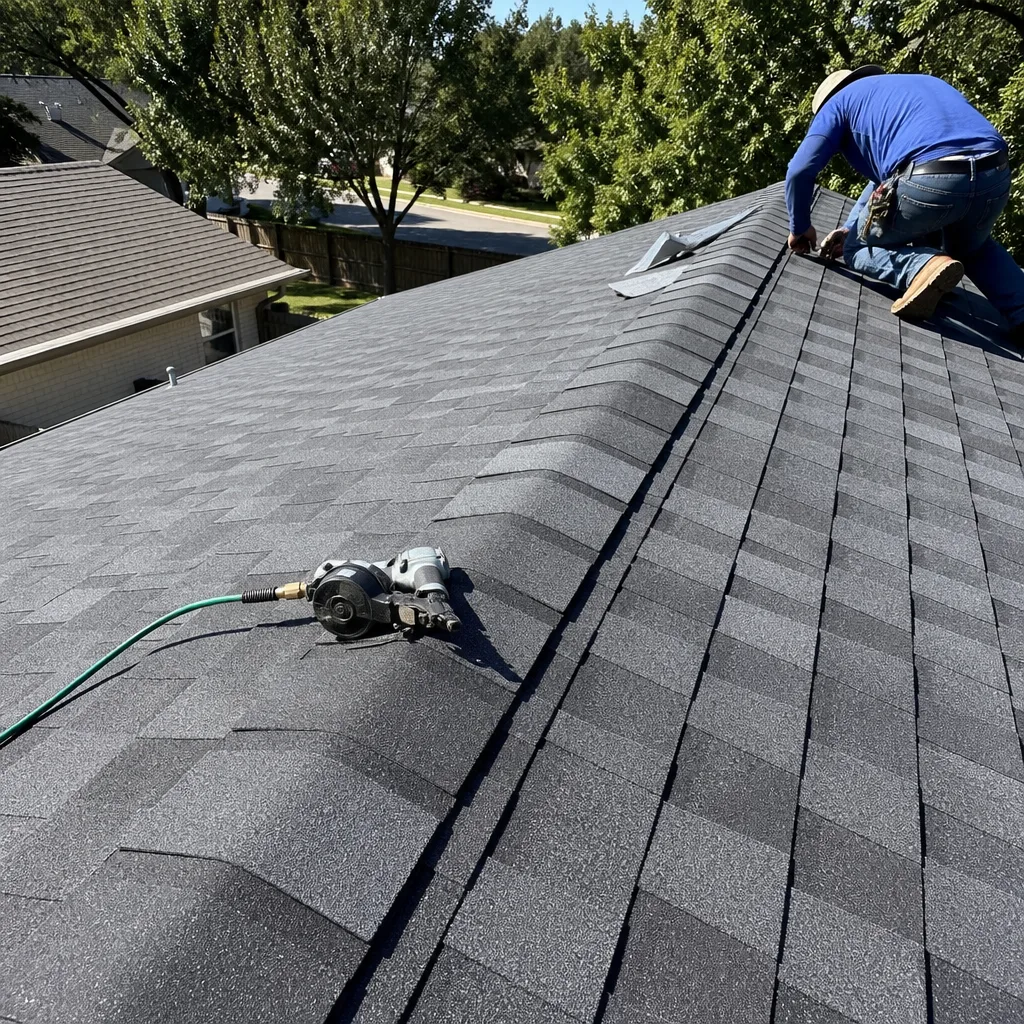 After
AfterReplacement Cost & What’s Included
Let me give you real numbers, because that’s the question everyone actually has. In Austin right now, a targeted underlayment and deck repair that involves replacing a section of rotted decking (typically 100 to 300 square feet) and installing new synthetic underlayment before re-shingling runs $2,800 to $6,500 installed. Full deck replacement on an average 2,000 square foot Austin home lands in the $8,000 to $12,000 range. Smaller jobs where the decking is still sound and we’re only replacing underlayment start around $1,200 to $2,000 for a repair area.
What drives the range? Square footage of compromised decking is the biggest variable. Tear-off labor is next, because old shingles and failed underlayment have to come up before we can see the full extent of the damage. Steep pitches add labor time, and if your roof has a lot of valleys, vents, or chimney flashing that needs to be re-done while we’re up there, that adds material and labor. Every estimate includes the written price before any work starts, and that number doesn’t change once we’re on the roof. The workmanship is covered by our written guarantee, and under the 365-Day Done Right Promise, if the repair fails inside the guarantee period, we come back and correct it at no charge. No change orders, no “we found more damage once we got up there” games. The price we write is the price you pay.
DIY or Call Us?
I’m going to be straight with you: underlayment and deck repair is not a weekend project, and it’s not something you should attempt on your own roof. The work requires working at height on a pitched surface, removing and reinstalling shingles without damaging the ones you’re keeping, and getting the underlayment installation details right so your repair doesn’t become the next leak. A bad underlayment job doesn’t just fail; it fails in a way that accelerates decking rot, which means the $500 yousave doing it yourself turns into a $5,000 full deck replacement a year later.
What you can safely do is get up in your attic with a flashlight after the next hard rain and look for water tracks, dark staining on the underside of the decking, or damp insulation. That inspection helps you understand the scope of the problem before you call us. And here’s something from Greg Holloway, who owns our Austin location and has been reading roofs since he learned the trade in Los Angeles before making Austin home: “Tell me the roof, I’ll tell you the price, no surprises once we’re up there.” If you’re not sure whether you’ve got a minor underlayment issue or a deck problem that’s about to spread, call (254) 540-7345. We’ll come out, assess it, and give you a written price either way.
FAQs
Synthetic underlayment in Austin’s climate typically lasts 15 to 20 years when properly installed, while traditional felt underlayment can start degrading in as little as 8 to 10 years due to Central Texas heat cycling. The underlayment rarely outlives the shingles, and in many cases it fails first, which is why we recommend synthetic for every Austin repair. Call (254) 540-7345 for an assessment of your specific roof.
Yes, in many cases underlayment can be patched if the damage is localized and the surrounding decking is still sound. If the decking underneath has been compromised, that section must be replaced before new underlayment goes down, because installing good underlayment over rotted decking just hides the problem. We’ll tell you which situation you have after a single roof inspection.
A standard underlayment replacement over intact decking is usually a one-day job for our crew. If deck sections need to be cut out and replaced, plan on two to three days depending on square footage and access. We’ll give you a clear timeline in writing before we start.
Yes, we keep IKO StormShield peel-and-stick and IKO RoofGard synthetic, as well as quality aftermarket synthetics from GAF, Owens Corning, and CertainTeed, stocked on our trucks for Austin service calls. If your project requires something unusual, we can have it within two business days. We’ll tell you upfront what’s available same day and what needs ordering.
Written by Greg Holloway, Owner, Tilehurst Roofing Austin at Tilehurst Roofing Austin, serving Austin and nearby areas.