
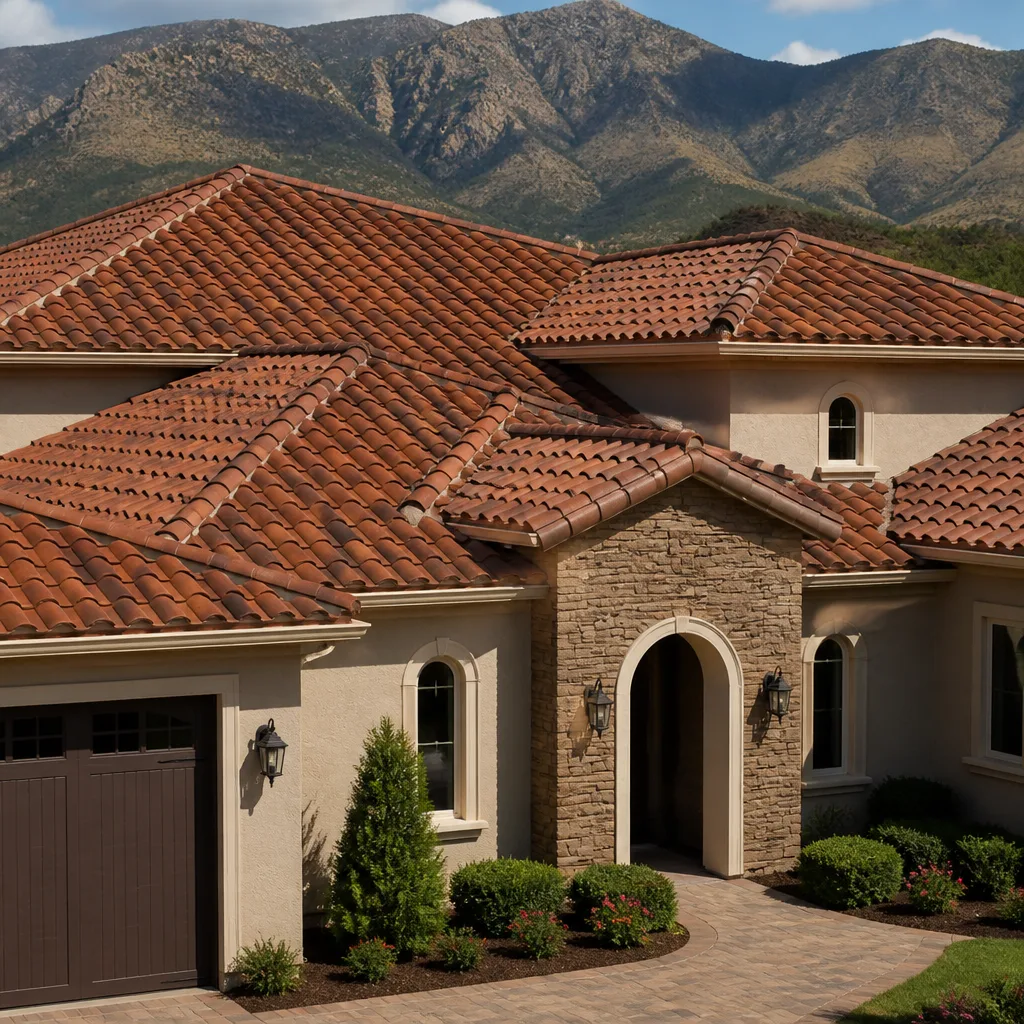
 Tile roofing
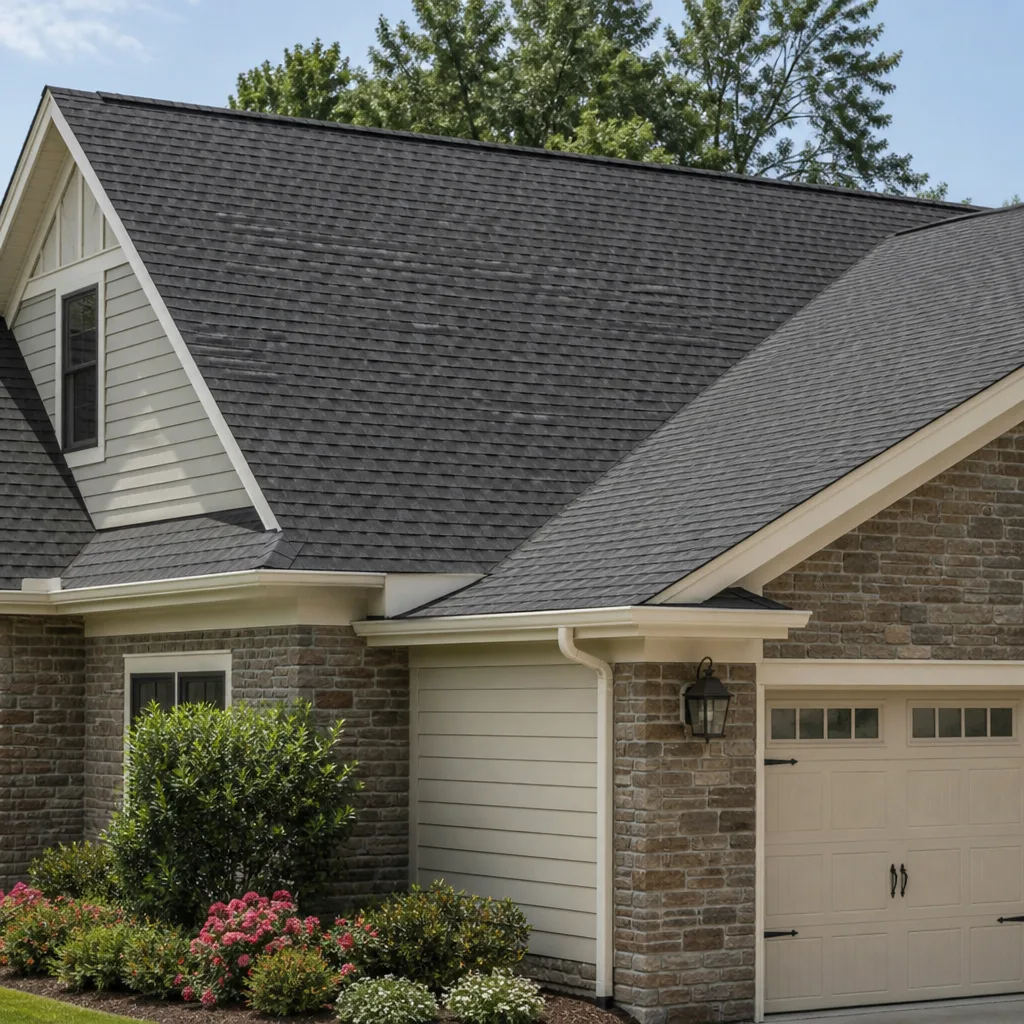 Architectural shingles
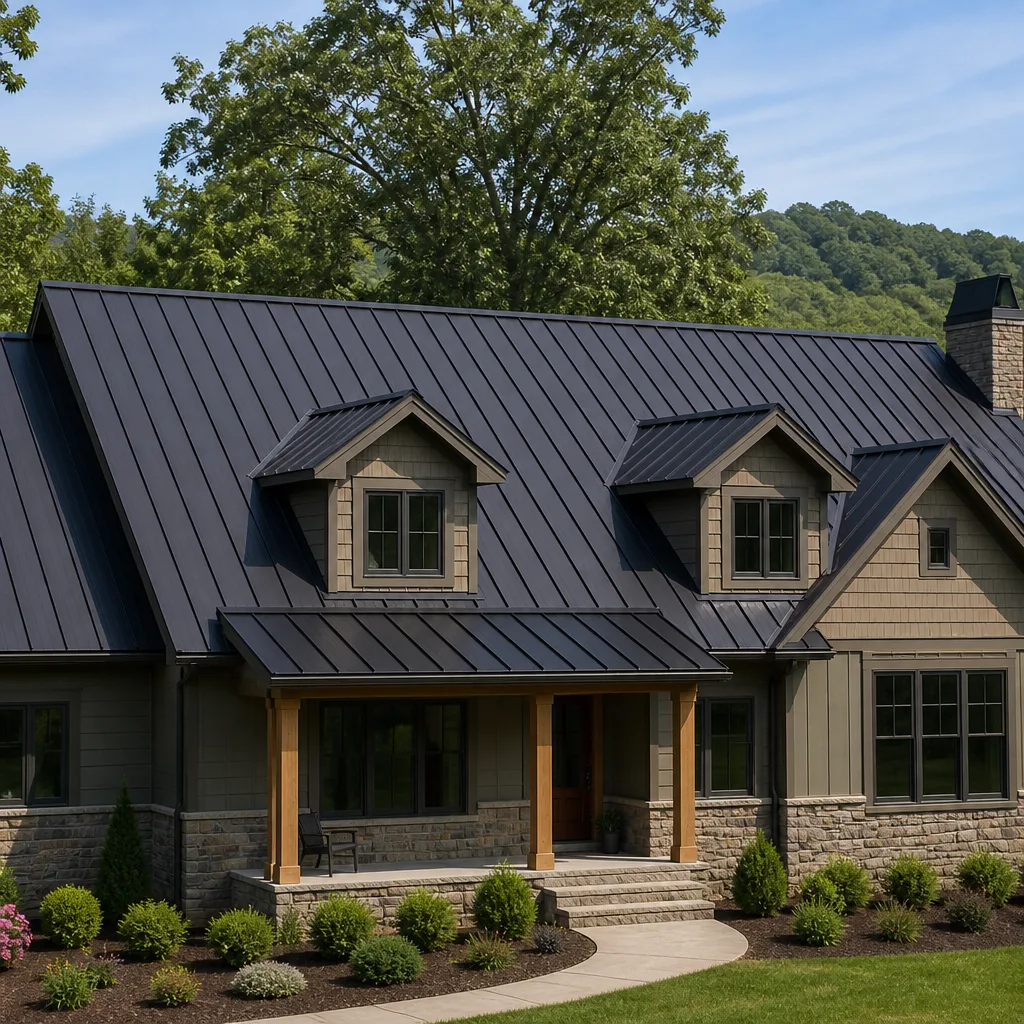 Metal roofing
 GAF
GAF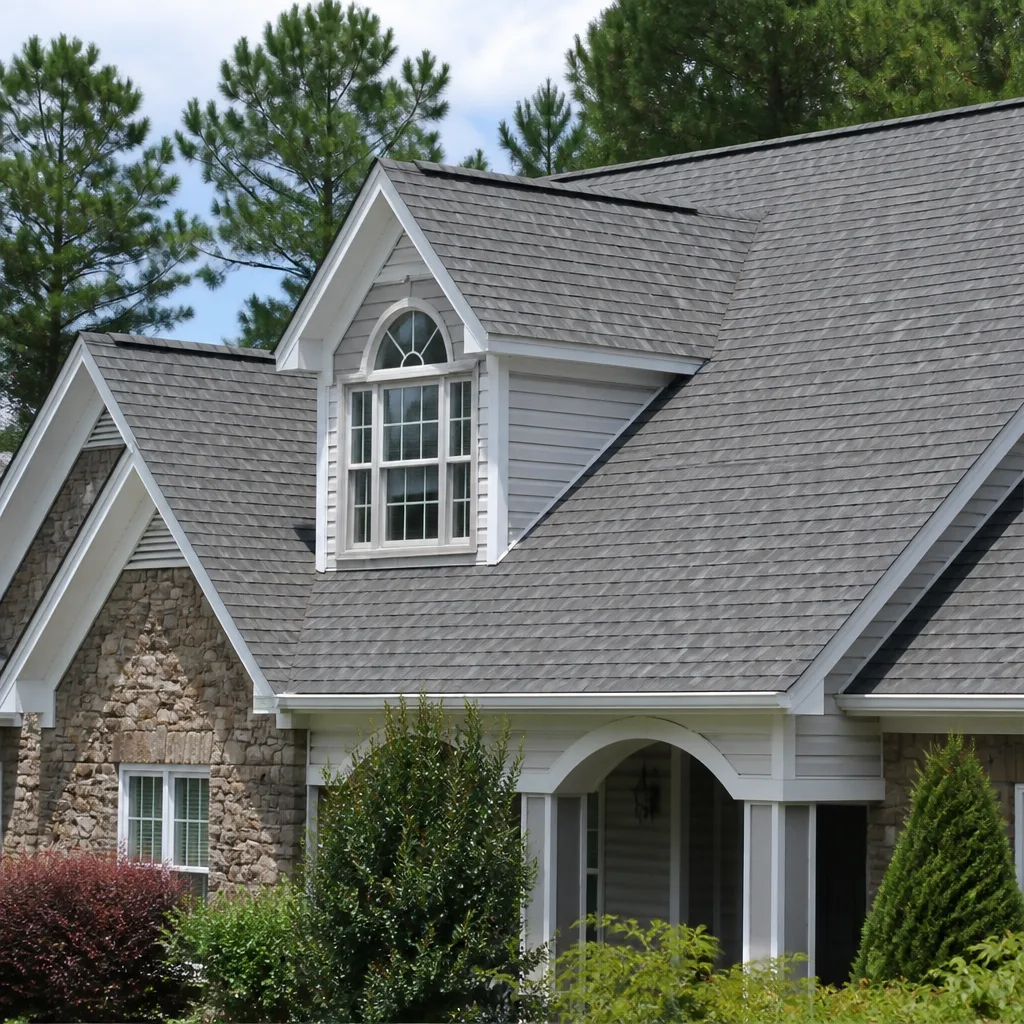 Owens Corning
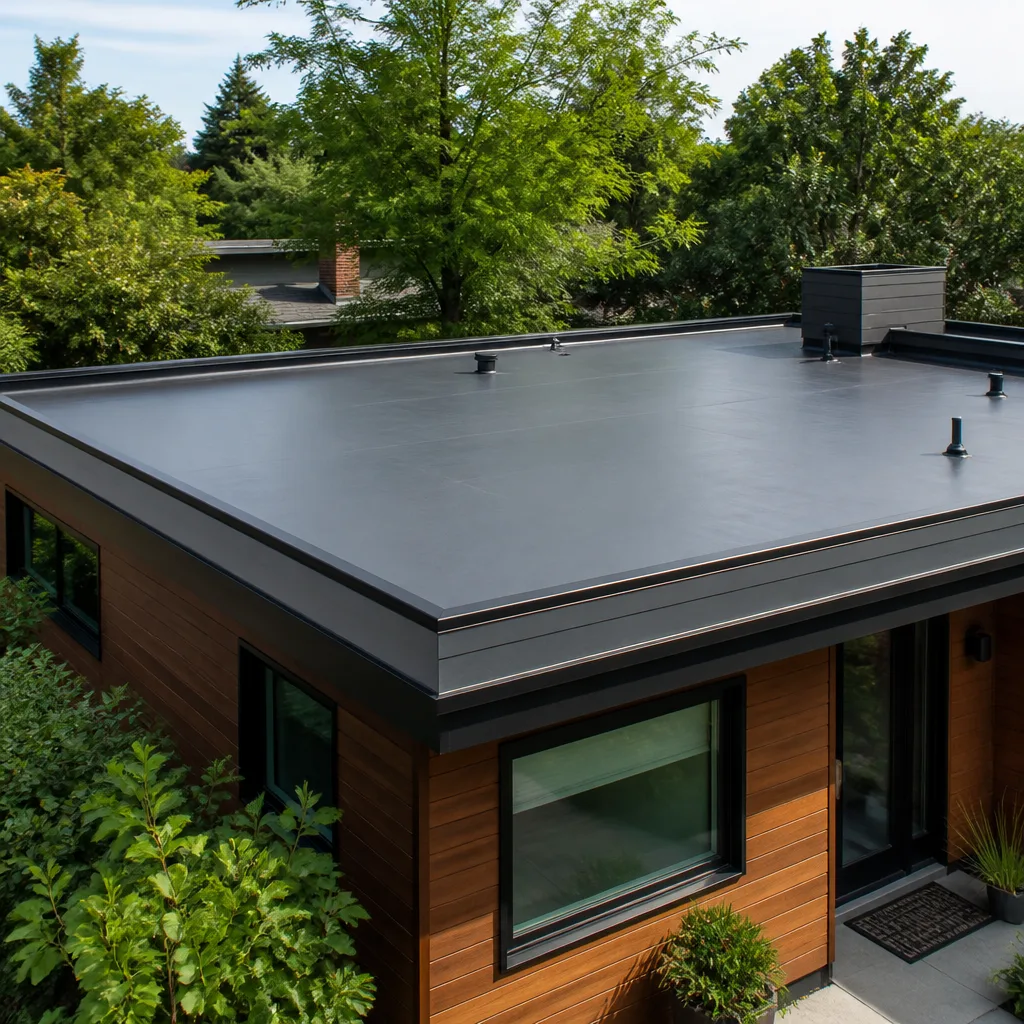 Flat & low-slope
Free roof inspection with deck photos before we talk money - GAF and Owens Corning certified installation
Boral Underlayment & Deck Repair: The Austin Owner’s Guide
Boral underlayment and deck repair in Austin typically runs $850 to $2,400 installed, depending on how much of the deck has failed and which Boral underlayment system your roof was built with. We stock Boral-compatible underlayment on our trucks and can usually complete the repair the same day we diagnose it. Most Austin homeowners discover a problem after a heavy rain, when a ceiling stain appears or water trails down an interior wall, and the deck beneath the underlayment turns out to be the culprit, not the shingles above it.
Boral underlayment does a job most people never think about until it stops doing it. It sits between your roof deck and your finished roofing material, catching anything that gets past the top layer. In Austin’s climate, that’s more important than in most places: we get long dry stretches that bake the underlayment, then sudden downpours that test every seam. When the deck underneath starts to soften or the underlayment tears, the failure is rarely dramatic. It’s a slow leak, a musty smell in the attic, a water stain that shows up weeks after the rain.
This page covers what fails, what it costs to fix in Austin, and whether you should touch it yourself. We’re Tilehurst Roofing Austin, a Kingswell family company, and we’re independent of Boral. We work with their products because they’re solid, and after years of repairing them across this city, we know exactly where they break and why.
Which Boral Models This Applies To
Boral roofing falls into a few distinct lines, and each has its own underlayment and deck requirements. The most common we see on Austin homes are Boral concrete and clay tile systems, Boral Steel (stone-coated metal), and Boral’s flat and low-slope membrane roofs. Your underlayment match depends on which one you have.
Here’s the compatibility gotcha most homeowners don’t know: Boral tile roofs in Central Texas were often installed with a specific high-temperature underlayment, because tile absorbs and radiates heat differently than asphalt shingles. If a previous repair used a generic felt or peel-and-stick product not rated for that heat load, it degrades years early. We see this all the time in neighborhoods like Allandale and Rosedale, where original tile roofs are hitting their 20-year mark and the underlayment has failed well before the tile itself.
Identifying your Boral underlayment is usually straightforward. If your home has the original paperwork, the underlayment spec is listed. Without that, we check the exposed edges near the eaves or a valley, where the underlayment brand and model are often printed. For deck repair, the question is simpler: we probe the plywood or OSB for soft spots, check fastener pull-through, and measure moisture content. That tells us whether we’re replacing a section or the whole field.
On the OEM-versus-aftermarket decision: Boral’s spec sheets in this region commonly call for a synthetic underlayment rated for high heat and long UV exposure, often a two-layer system on steeper tile roofs. We use the Boral-specified product when it’s available and the roof warrants it. There are quality aftermarket synthetics that meet or exceed the same ratings for less money, and we’ll tell you the price difference and let you choose. What we won’t do is bury an under-spec product under your tile to save a few hundred dollars. Austin sun doesn’t forgive cheap underlayment.
Styles & brands we work with
Signs Your Boral Underlayment & Deck Repair Is Failing
- Water stains on ceilings or walls after rain. This is the classic. Underlayment failures often show up as a slow, spreading stain rather than an active drip, because the water is traveling under the tile or metal before finding a path down. By the time you see it, the deck beneath has usually been damp for a while.
- Musty or earthy smell in the attic, especially after a dry spell breaks. When Austin’s first rain after a long dry stretch hits, compromised underlayment absorbs water that’s been trapped against the deck. That smell is the deck wood staying damp, and it’s a sign the underlayment is no longer shedding water properly.
- Visible rust or corrosion on Boral Steel panels or fasteners. This is specific to Boral’s stone-coated metal line. When the underlayment fails beneath a Boral Steel roof, moisture gets trapped against the panels from underneath, and the fasteners are usually the first thing to rust. You’ll see it in the attic before you see it from the ground.
- Curling, cracked, or lifting felt at the eaves or in valleys. On older Boral tile installations, the edge of the underlayment often fails first, because it’s exposed to UV and wind-driven rain at the roof’s perimeter. If you can see underlayment, and it’s dry, brittle, or curling, it’s past its service life, even if the tile above it looks fine.
- Soft spots or visible sagging in the roof deck from the attic side. This is the late-stage signal. By the time a deck sags, you’re not repairing underlayment, you’re replacing a section of deck. In Austin’s cedar and tile neighborhoods like Travis Heights, deck rot from years of seepage is one of the most common repair findings we make when we open a roof.
See the difference
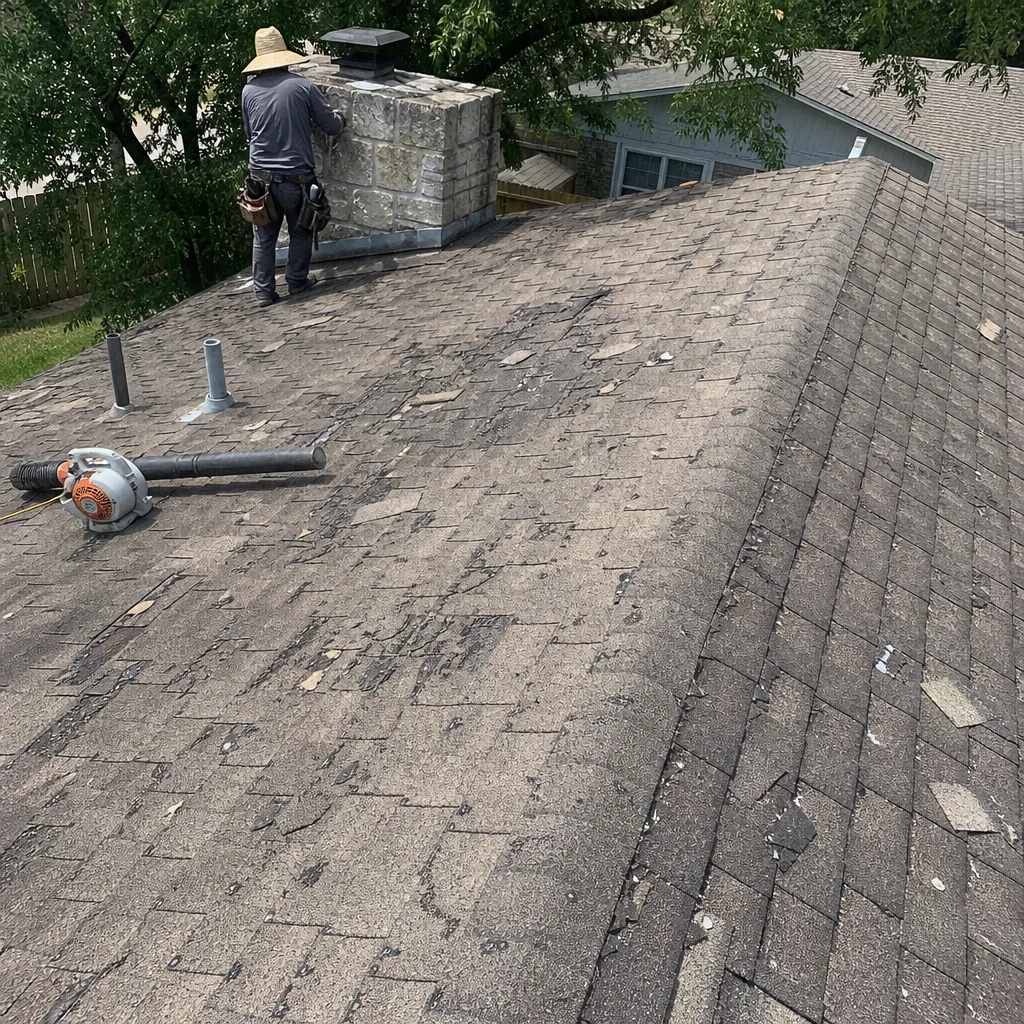 Before
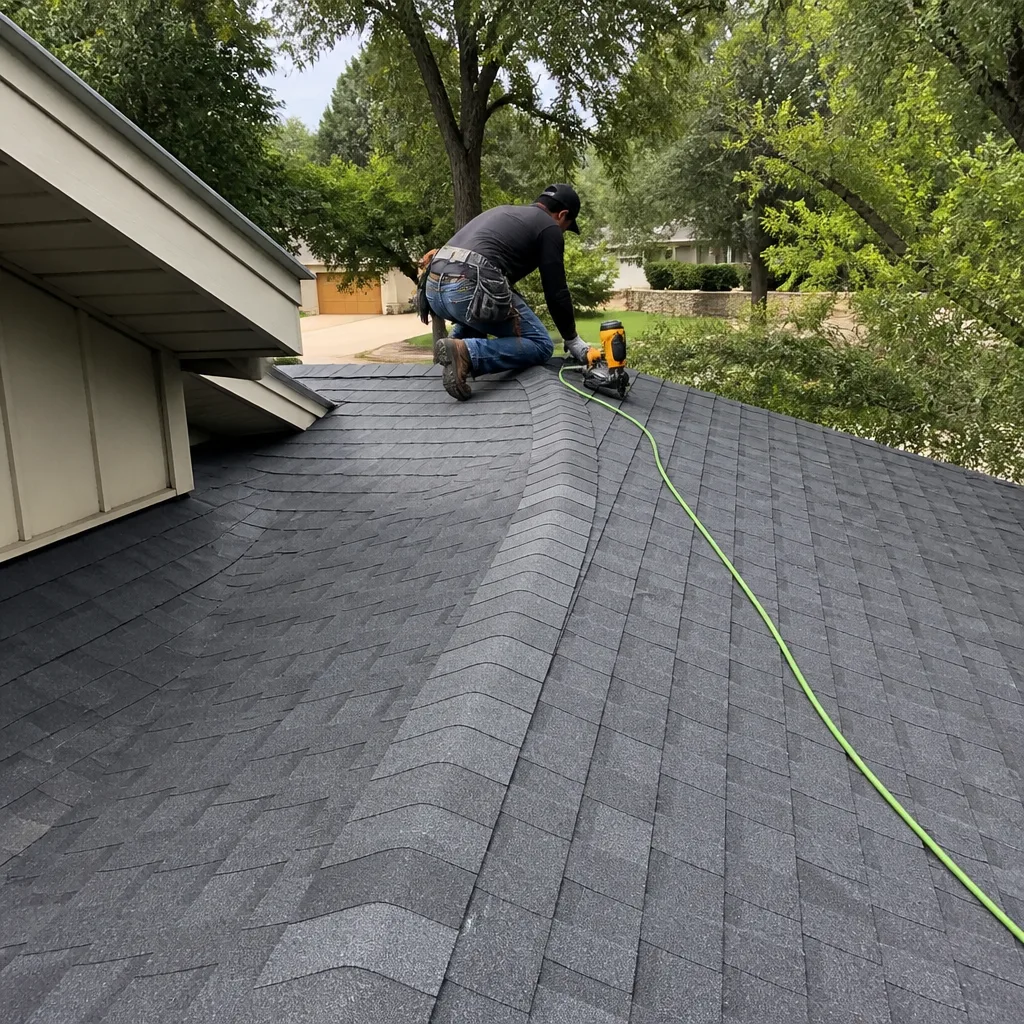 After
After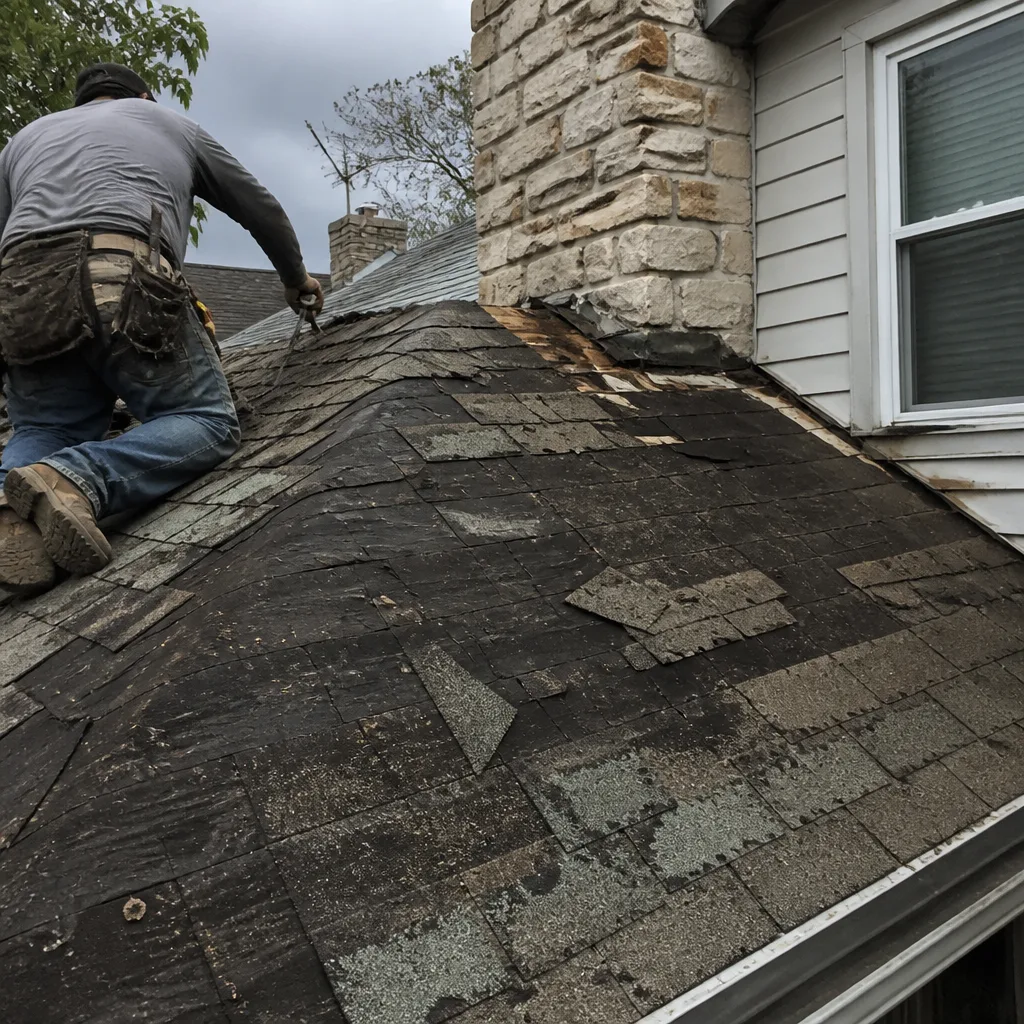 Before
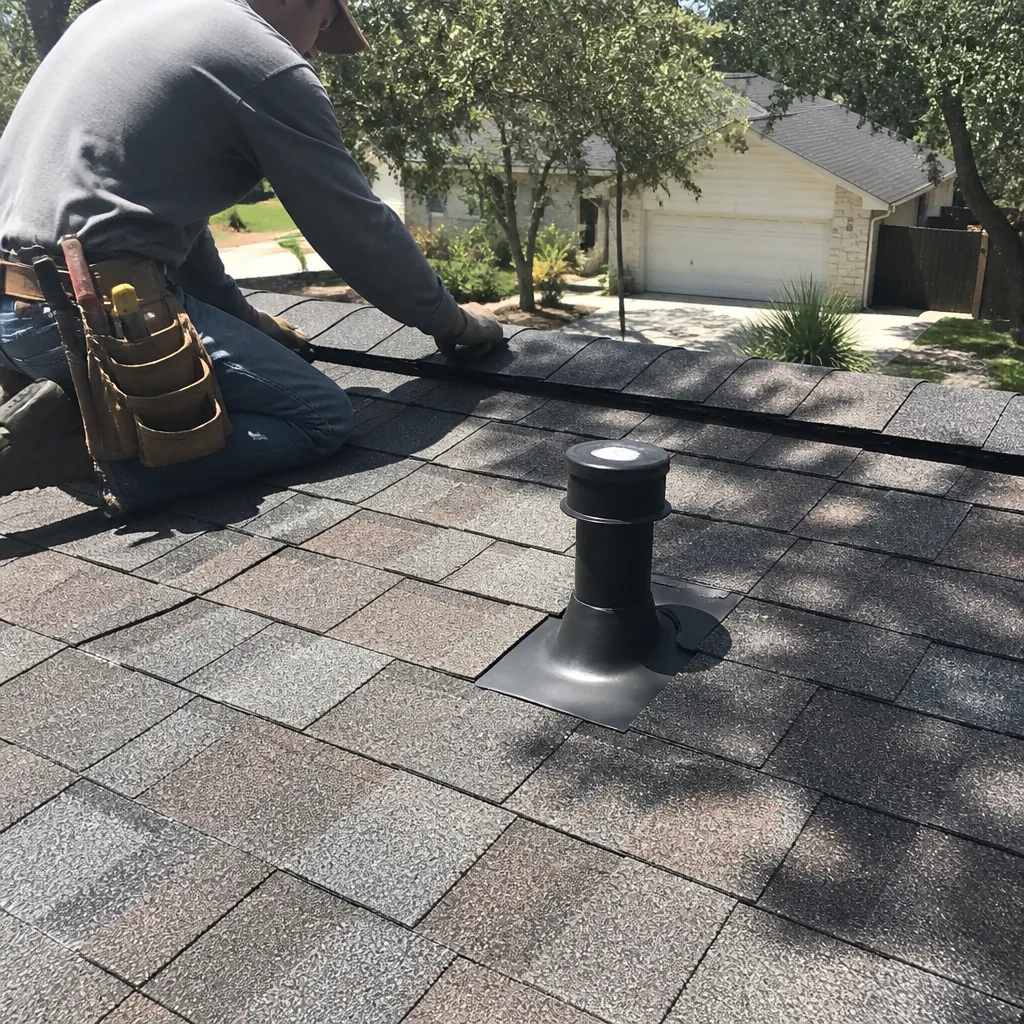 After
After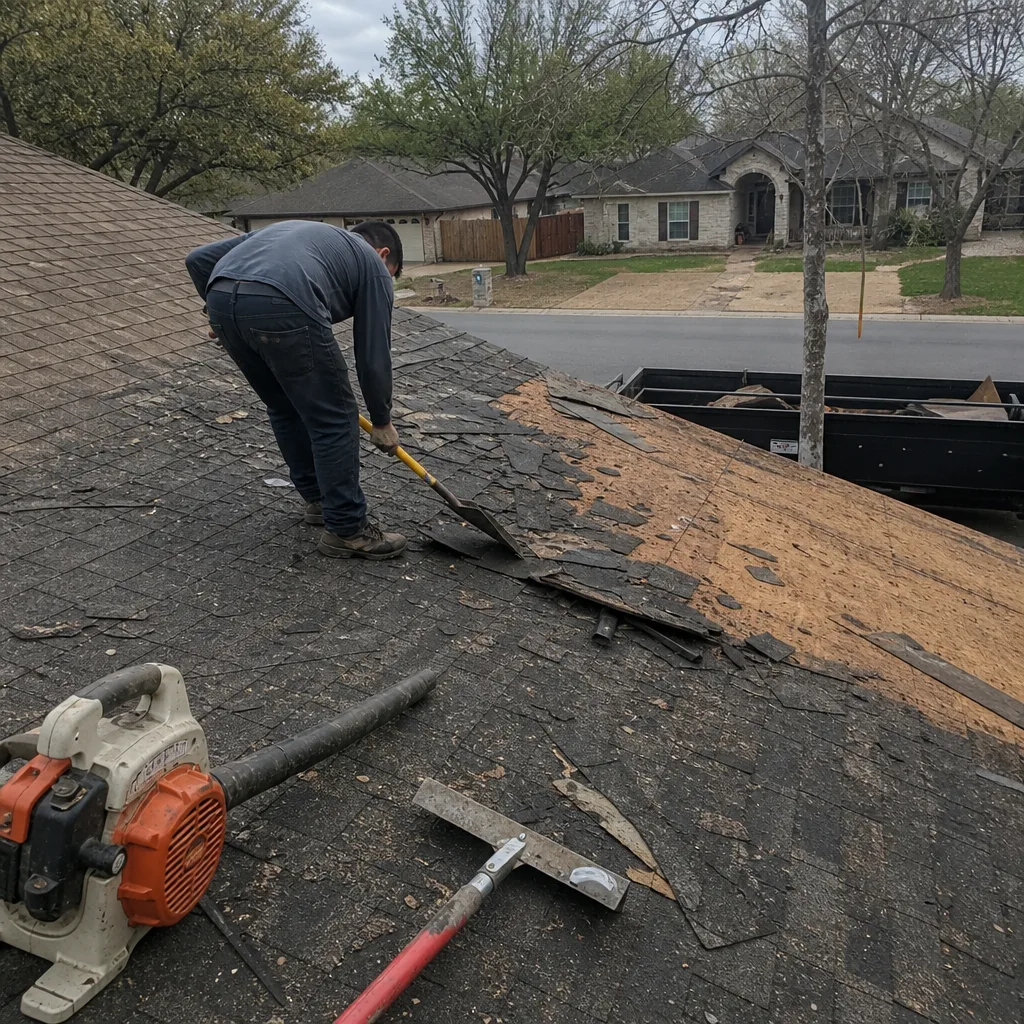 Before
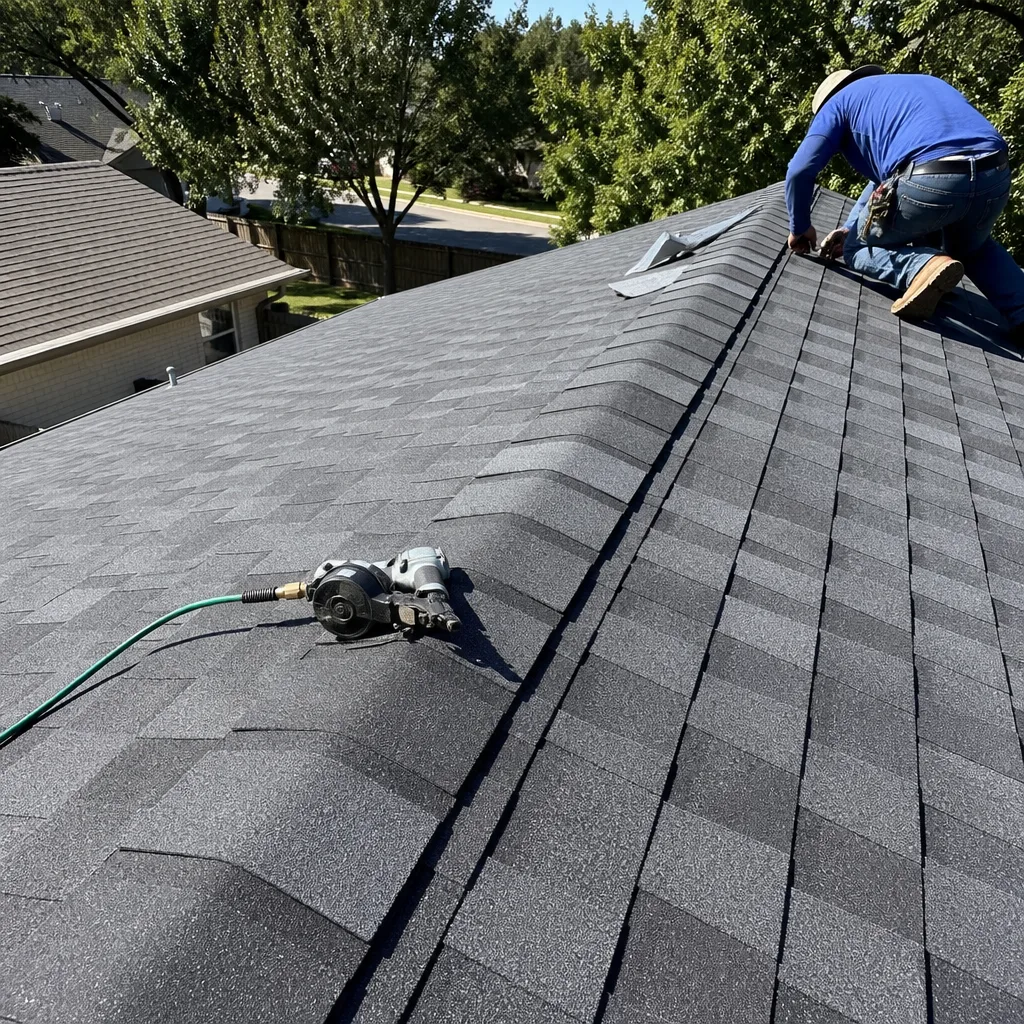 After
AfterReplacement Cost & What’s Included
Here’s what we quote when we price Boral underlayment and deck repair in Austin:
- Localized underlayment repair (one valley or eave section): $450 to $800, including tear-out of the failed section, deck inspection, and re-installation with a Boral-compatible synthetic.
- Full underlayment replacement under existing tile or Boral Steel: $1,800 to $3,800, depending on roof size, pitch, and whether the existing tile gets reset or replaced. This includes lifting and resetting the tile or metal, disposing of the old underlayment, and full deck inspection with repairs to any soft spots as a line item.
- Deck section replacement (up to a 4×8 sheet): $250 to $400 per sheet, including removal of the rotted section, replacement with CDX plywood or OSB matched to your deck thickness, and refastening.
The range comes down to three things: how much deck has to come out, how steep and cut-up your roof is, and whether your Boral tile can be reset or needs new matching tile. We write the price down before any work starts, and it names the underlayment product, the deck materials, and the labor separately. If the scope changes, the price changes on paper first, never as a surprise at the end.
Every repair includes a written guarantee before the crew leaves. If it fails inside the guarantee period, we come back and fix it at no charge. Our 365-Day Done Right Promise stands behind that in writing for a full year.
DIY or Call Us?
You can check a few things safely without a ladder. In the attic, look for water trails on the underside of the deck, daylight showing through, or stained areas around fasteners. On the ground, scan the eaves and valleys with binoculars for curling or missing underlayment. That’s worth doing before you call, because it helps us come prepared.
What you shouldn’t do is get on the roof and start lifting tile or pulling Boral Steel panels. Working on an occupied roof deck requires proper fall protection, and pulling tile or nail-fastened metal without knowing how it’s lapped and flashed will create a leak where you didn’t have one. Boral tile is heavy and breaks under foot traffic if you don’t know how to walk the pans. And if the deck is soft, you’re standing on a section that could give way. This one isn’t a weekend project.
Call us at (254) 540-7345 and we’ll send someone who reads roofs the way they’re supposed to be read. Tell me the roof, I’ll tell you the price, no surprises once we’re up there.
FAQs
Most Boral-compatible synthetic underlayments are designed for a 20 to 30 year service life, but in Austin’s heat, the realistic number is closer to 15 to 20 years if the roof is unshaded and the attic has limited ventilation. Tile and stone-coated metal both trap heat against the underlayment, which accelerates aging. We routinely see underlayment fail a decade before the tile above it. Call (254) 540-7345 and we’ll tell you exactly what’s on your roof and where it is in its life.
Yes, localized tears, seam failures, and eave edge deterioration can be repaired without replacing the whole field, as long as the damage is confined and the deck beneath is still solid. We cut back to clean material, lap new synthetic underlayment over the old, and re-secure the tile or metal properly. But if the underlayment is brittle and cracking across the roof, spot repairs won’t hold, and we’ll tell you that straight before you spend money. Estimates are free, so call (254) 540-7345 and get a straight read.
A full underlayment replacement under existing Boral tile or steel typically takes one to two working days on a standard Austin single-family roof, depending on size and weather. A localized repair is usually done in a single visit. Either way, we put the schedule in writing when we quote, and the crew arrives in the window we gave. Call (254) 540-7345 to get an exact timeline for your roof.
We stock Boral-compatible synthetic underlayment, matching fasteners, and deck materials on our trucks, along with repair components for GAF, Owens Corning, and CertainTeed systems. For Boral Steel panel replacements or matching tile, we source from local Austin suppliers, usually same-day or next-day. If we need to order, we tell you before we start, and it’s on the written quote. Call (254) 540-7345 and we’ll confirm what we have on hand before we schedule.
Written by Greg Holloway, Owner, Tilehurst Roofing Austin at Tilehurst Roofing Austin, serving Austin and nearby areas.