
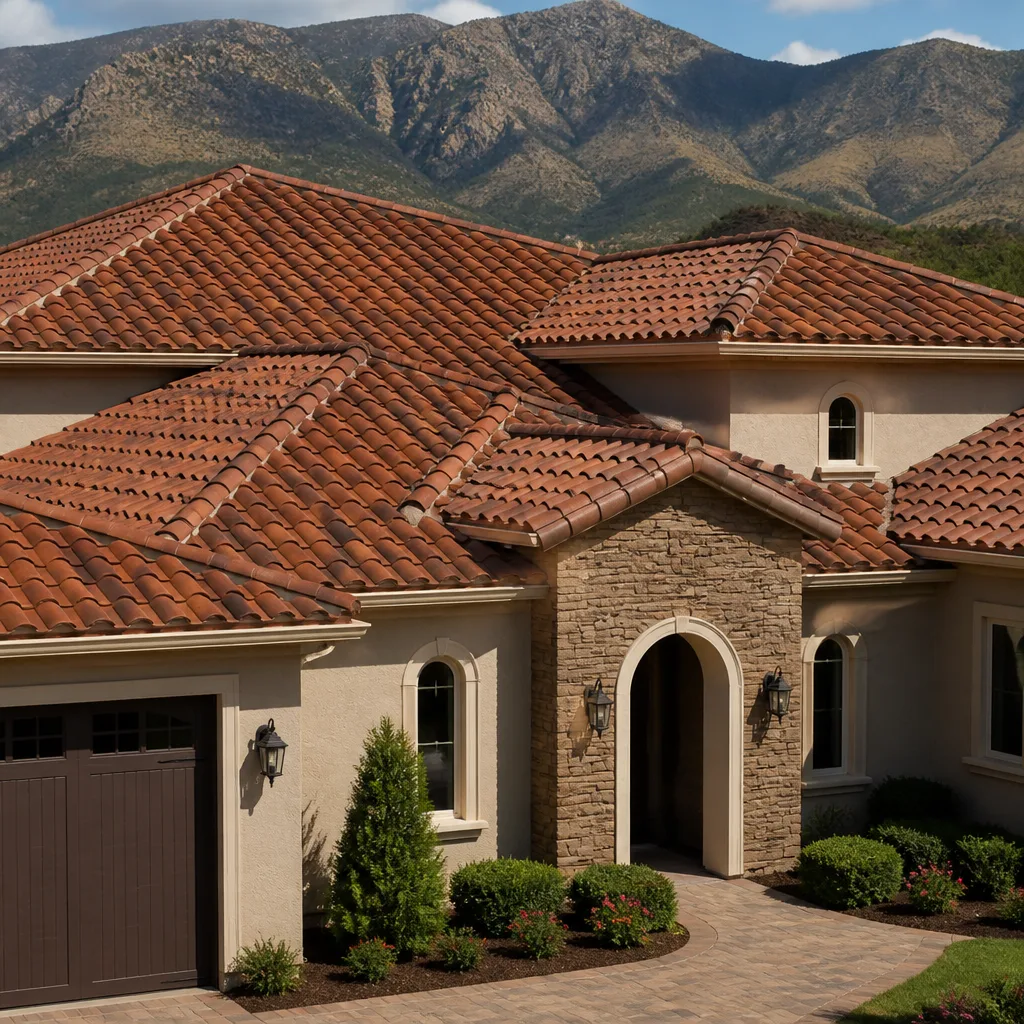
 Tile roofing
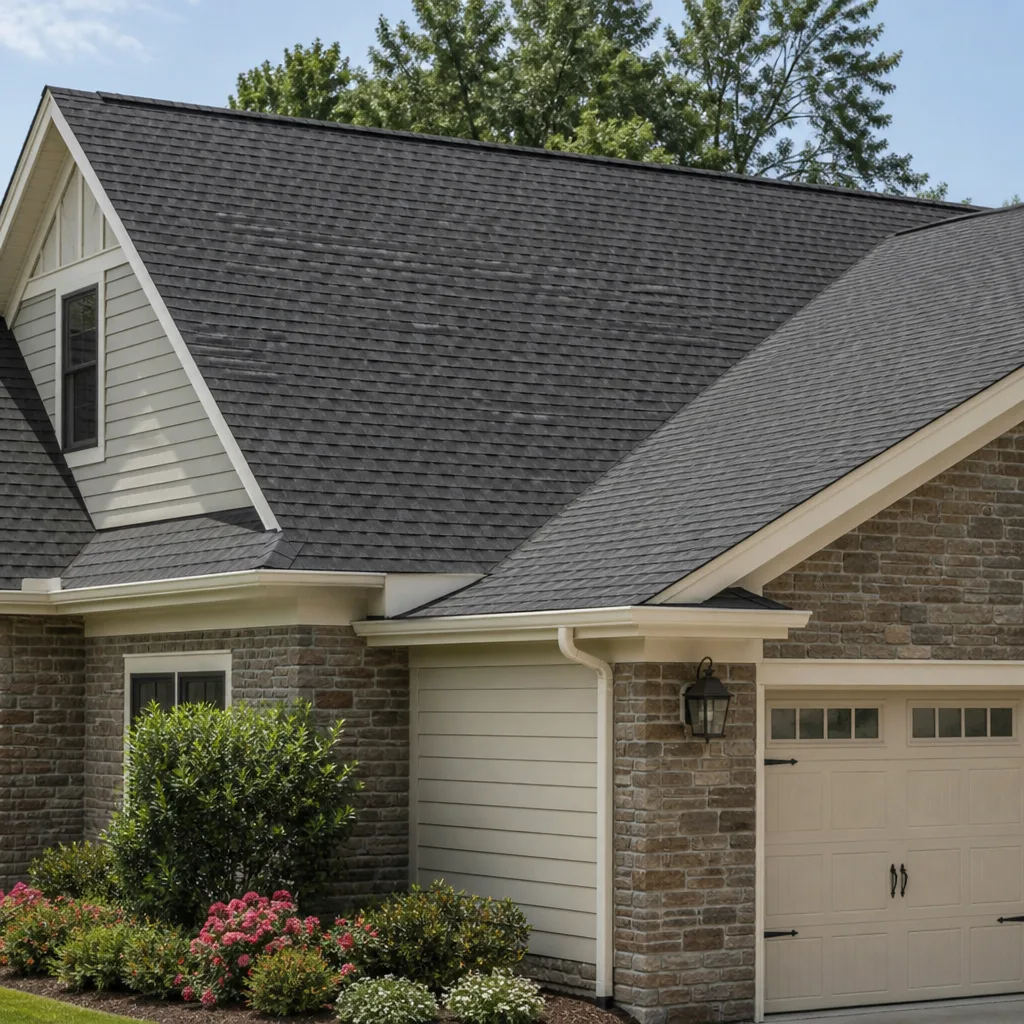 Architectural shingles
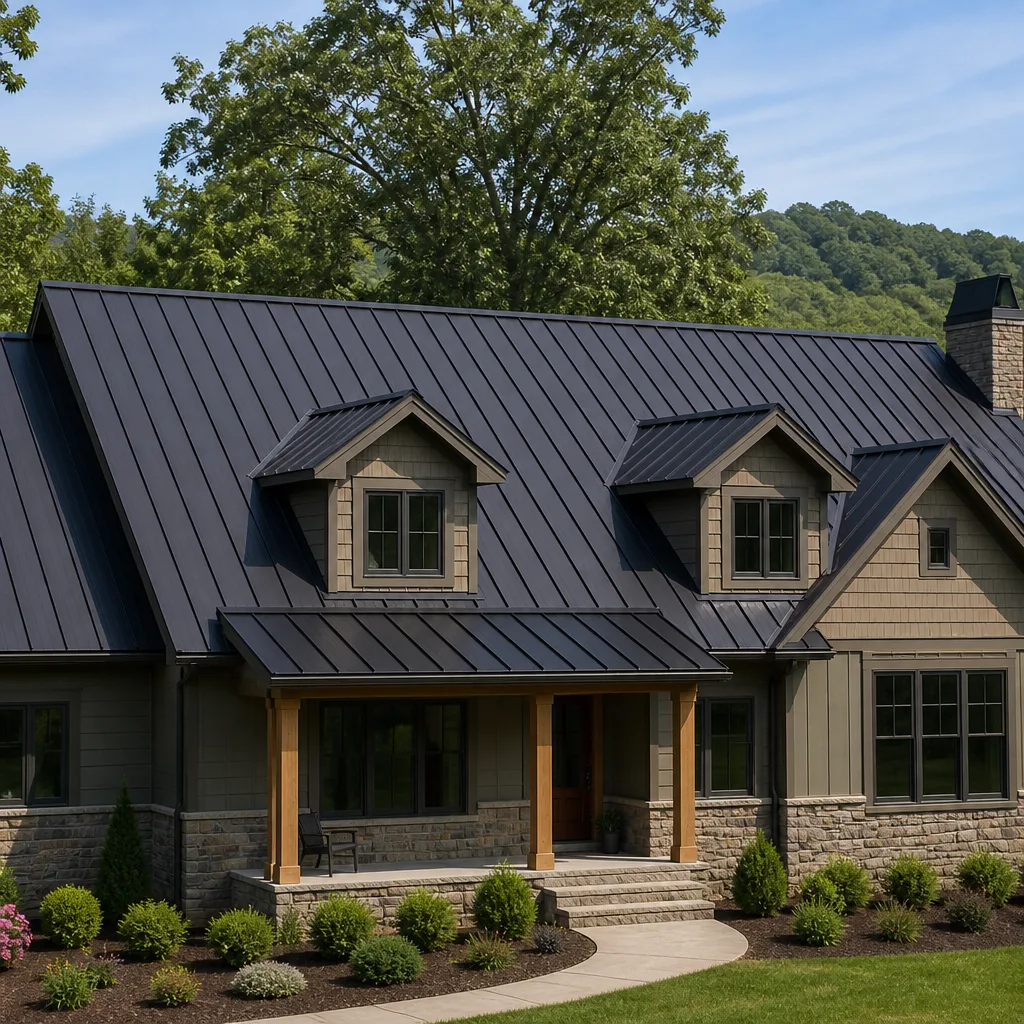 Metal roofing
 GAF
GAF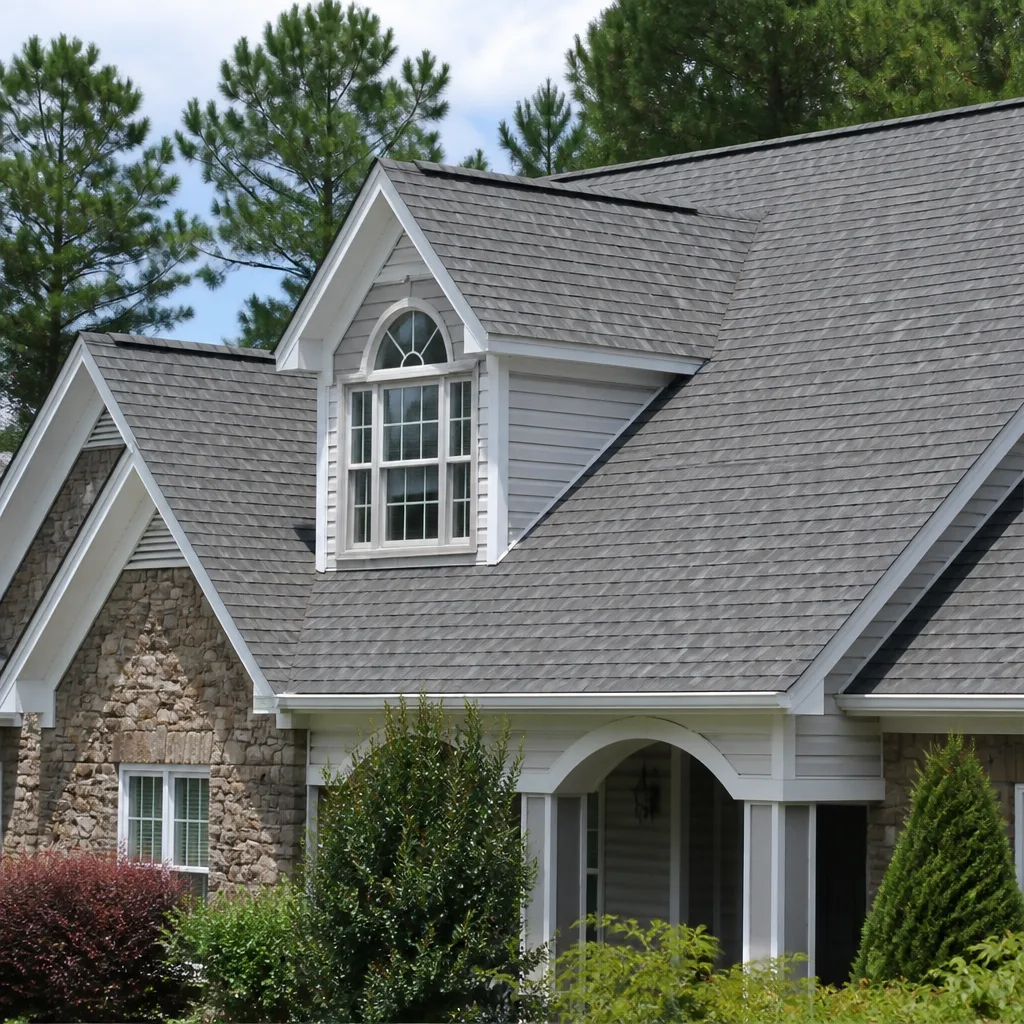 Owens Corning
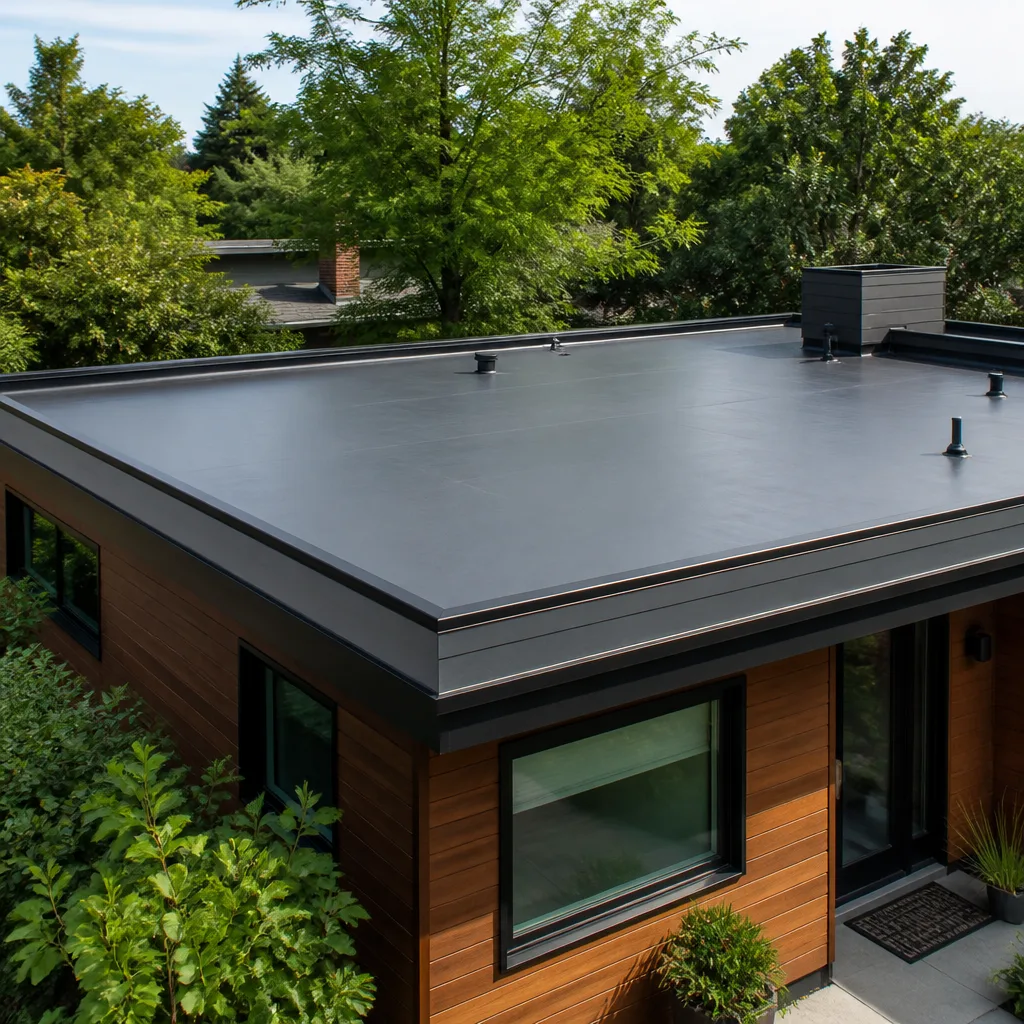 Flat & low-slope
Free roof inspection with deck photos before we talk money - GAF and Owens Corning certified installation
Boral Ridge Vent Installation: The Austin Owner’s Guide
We install Boral ridge vents in Austin, and most complete ridge vent installation jobs run $850 to $1,400 depending on the roof’s linear footage and the condition of the existing decking at the ridge line. We keep Boral-compatible ridge vent rolls and end caps stocked on our trucks, so we can typically knock out the job in one visit once we’ve measured and priced it.
Most Austin homeowners discover their ridge vent has failed the hard way: they notice a new warmth in the upstairs hallway in July, or they spot water staining near the peak of the ceiling after a Hill Country thunderstorm. Sometimes it’s a neighbor pointing out that a section of the vent looks “saggy” from the street. Boral’s ridge vent profile is low and clean when it’s right, but when the filter material breaks down or the roll delaminates from the shingle line, it becomes obvious fast.
We’re an independent Austin roofing contractor. We’re not affiliated with Boral directly, but we install and service their ridge vent products alongside GAF, Owens Corning, and CertainTeed, which means we won’t steer you toward a brand switch you didn’t ask for.
Which Boral Models This Applies To
Boral roofing carries two main ridge vent lines: the TapcoSlate Ridge Vent, which works with the Enviroshake and composite slate product families, and the standard Boral Ridge Vent used on steel and stone-coated steel profiles. The gotcha we see in Austin is that a house built with a Boral roof in the early 2000s often has the original profile that’s since been updated. The new vent rolls are slightly wider at the base, so they don’t always drop into the old slot without a trim pass.
If you can get eyes on the product label (usually ink-stamped on the underside of the vent or printed on the end cap), you’ll see a product code starting with “BRV” followed by a size designation. If the label’s faded or gone, we measure the existing footprint and the vent’s height above the shingle line. We’ve been working Austin roofs long enough to tell a TapcoSlate profile from a Boral steel profile at a glance, which saves a return trip.
Aftermarket ridge vents will work with Boral roofs, but we’d be doing you a disservice if we didn’t say the fit matters more than the brand name here. Certain off-the-shelf mesh products compress over time in Texas heat, and then the airflow you paid for quietly disappears. We quote both OEM and aftermarket options with the price difference spelled out, so you decide with real numbers, not a sales pitch.
Styles & brands we work with
Signs Your Boral Ridge Vent Installation Is Failing
- Attic temperature climbs 20 to 30 degrees over the summer. The Texas sun bakes the ridge line hotter than any other part of the roof, and when the filter media inside the vent clogs with dust, pollen, and construction debris, airflow drops. An attic that should sit near 130 degrees in late July will be pushing 155 or more, and the upstairs rooms feel it first.
- Water staining at the ceiling peak, usually in a straight line. The nail line is the first failure point on any ridge vent install. If the original installer drove nails through the vent instead of using the pre-marked nail slots, thermal expansion and contraction in Austin’s hot-cold cycles will work those holes loose. Rain from a driving storm gets in.
- Sections of the vent look wavy or lifted from the fall line. This is almost always decking movement underneath. Austin’s clay-heavy soils shift with dry and wet seasons, and older roofs move subtly with it. A ridge vent that’s no longer flat against the shingles isn’t really ventilating, even if it still looks okay from the ground.
- You hear wind-driven rain tapping inside the attic. A healthy ridge vent shouldn’t let rain through when it’s properly installed with a weather-resistant barrier. If you’re getting that tap-tap-tap sound during a Texas thunderstorm, the vent is likely compromised at the end caps, where improperly cut sections leave a gap.
- Black streaks or mildew starting under the roof peak. That’s the attic’s moisture building up because the vent isn’t pulling air out. It usually appears near the ridge line first, and by the time you see it inside, the ventilation system has been failing for at least a season.
See the difference
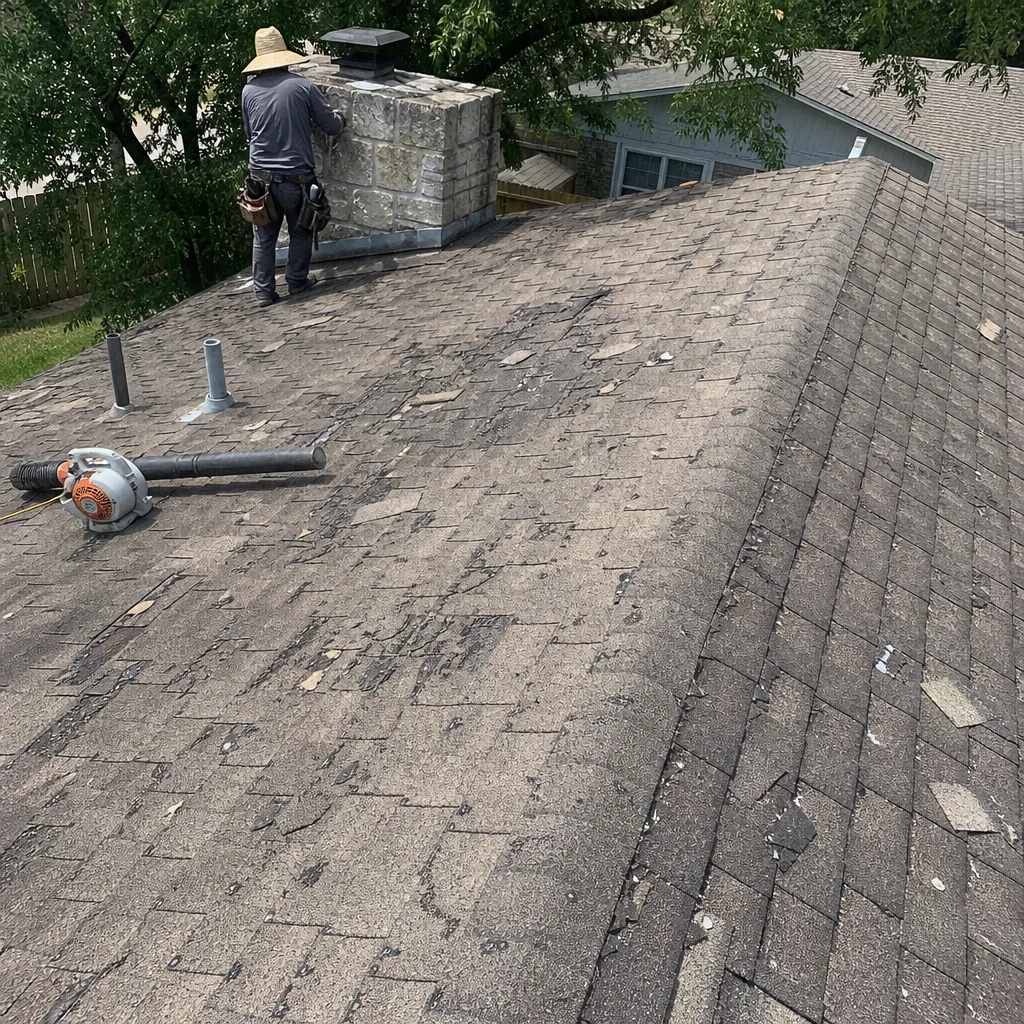 Before
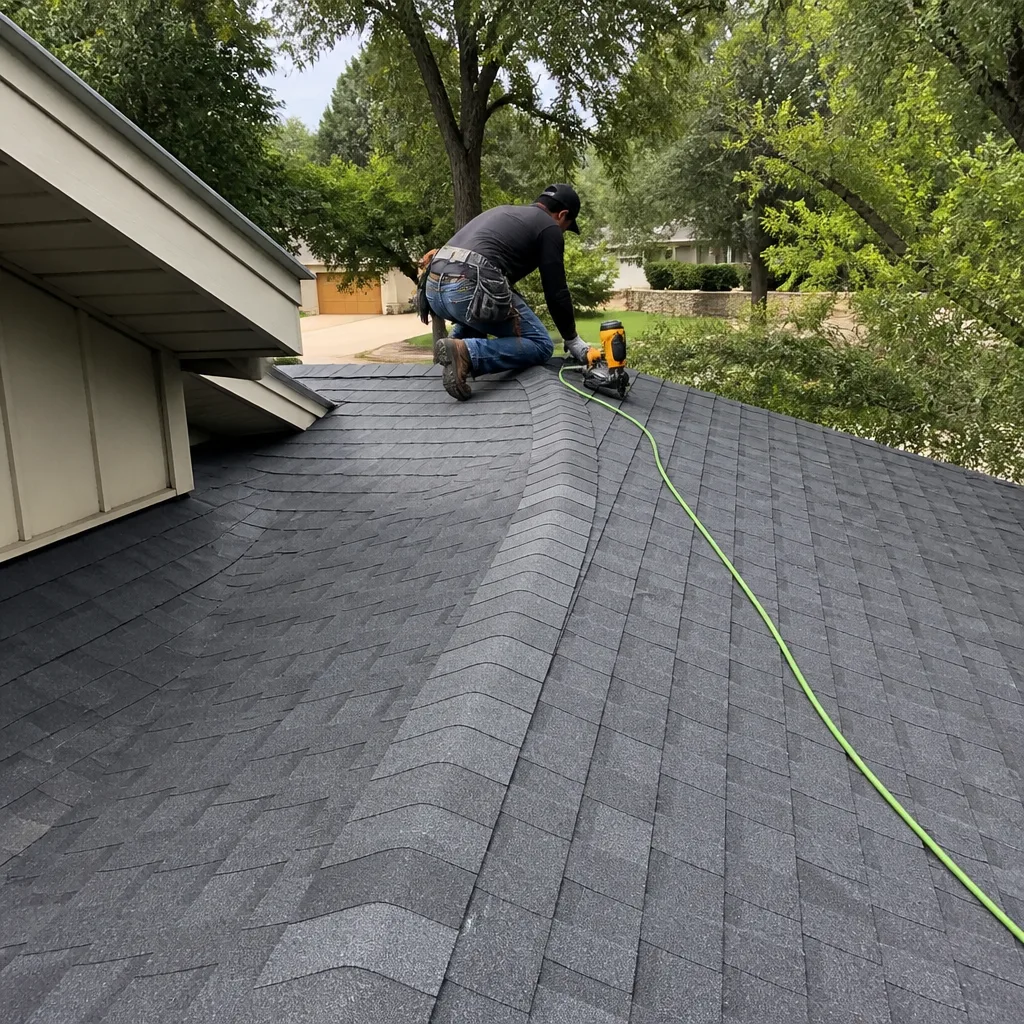 After
After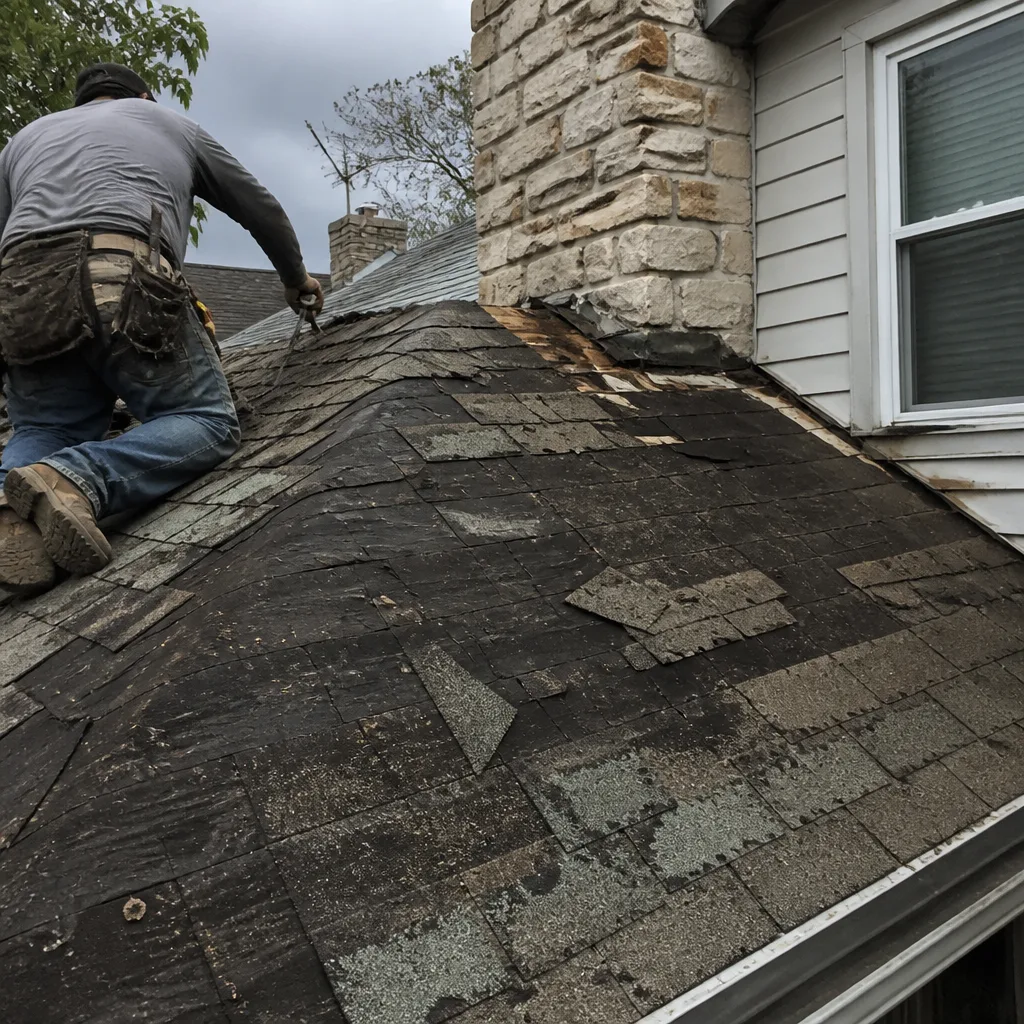 Before
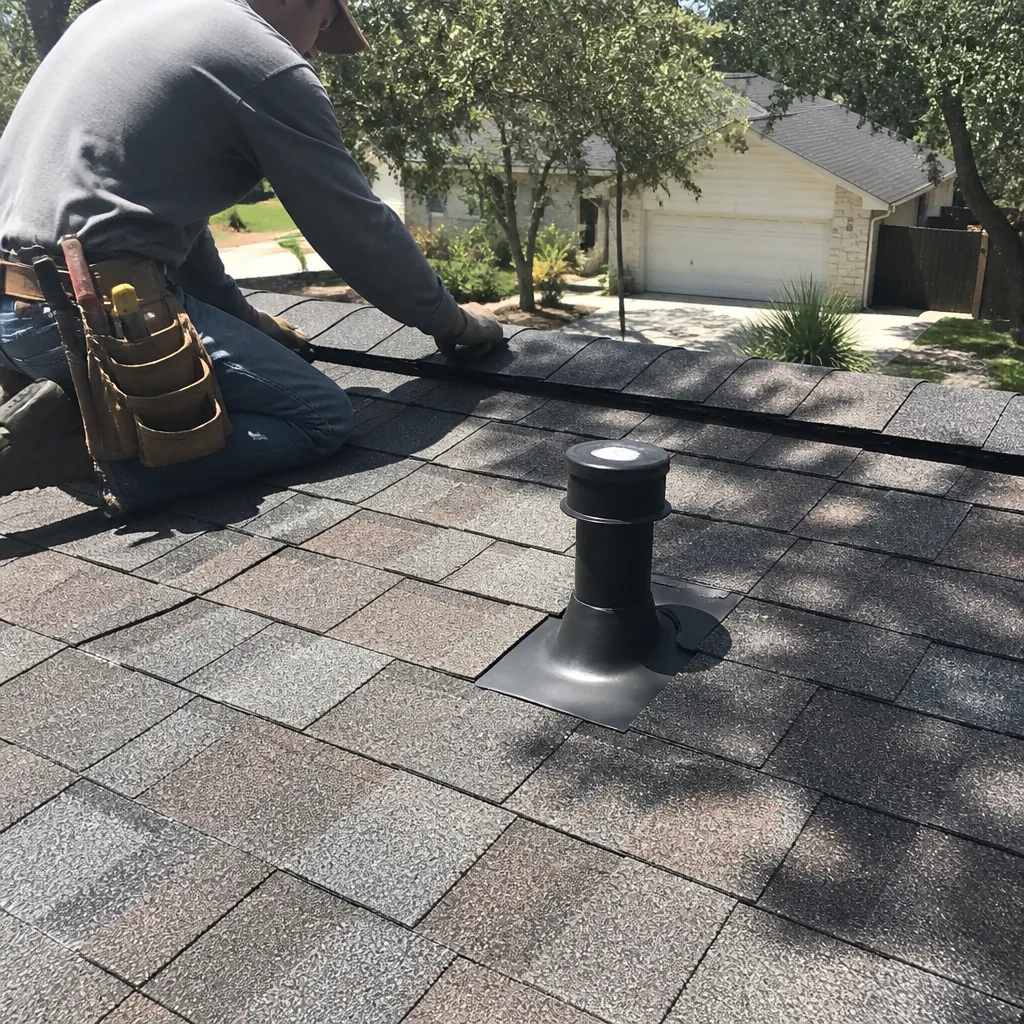 After
After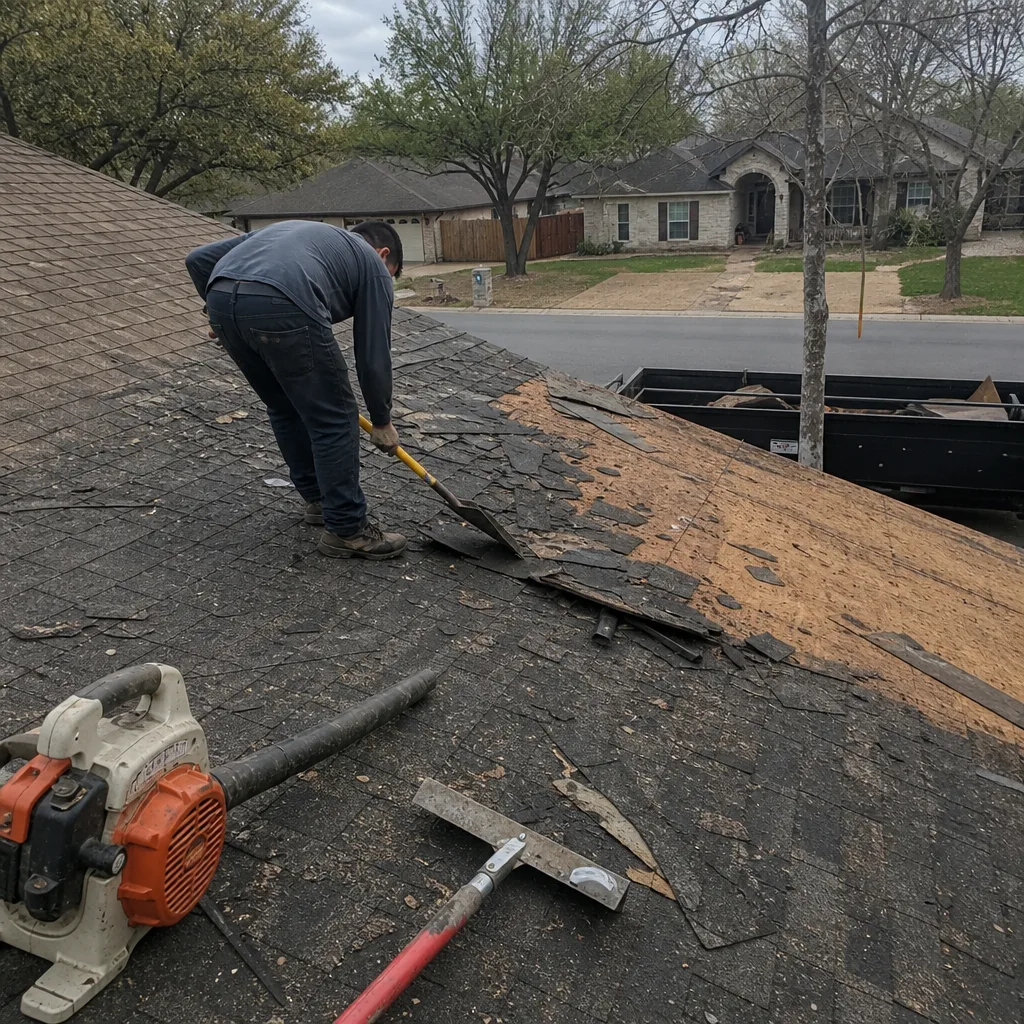 Before
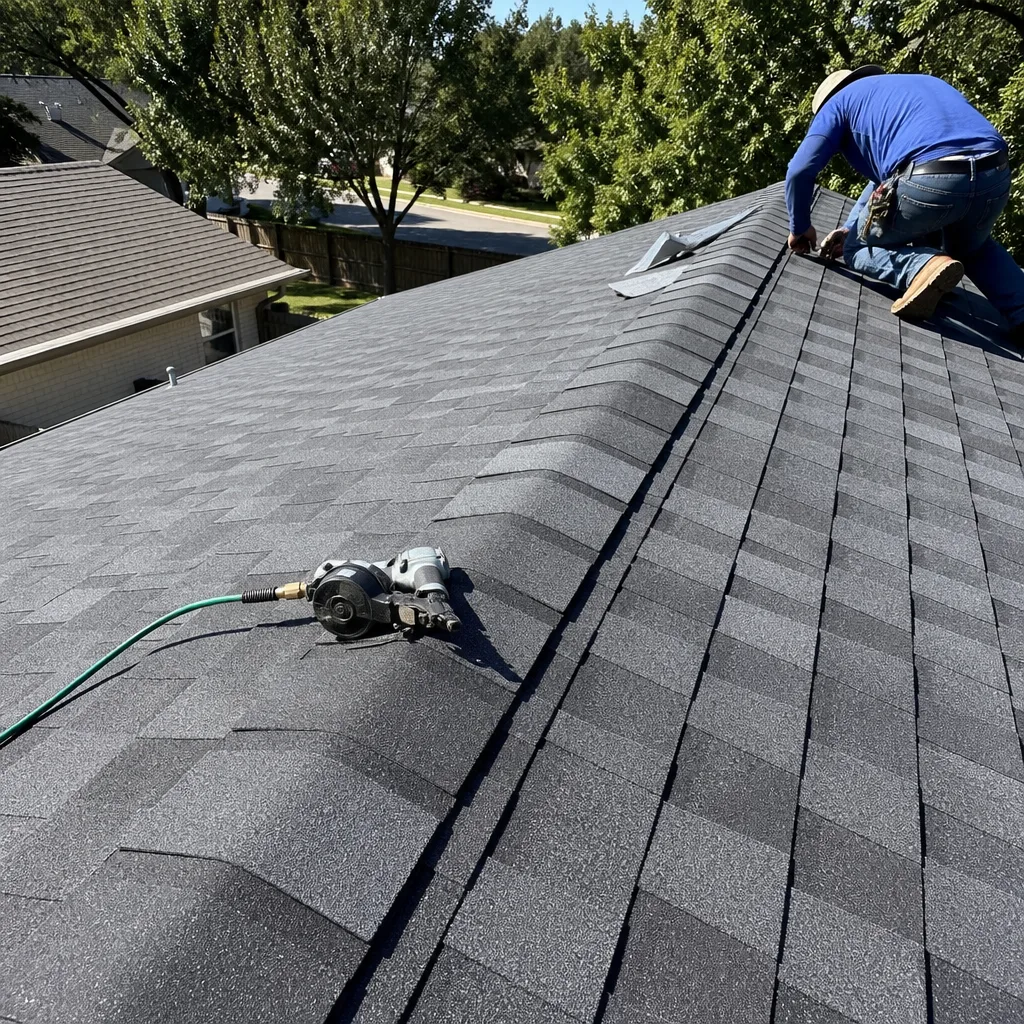 After
AfterReplacement Cost & What’s Included
For a typical Austin single-family home, here’s the range we quote most often:
- Small ranch (under 1,500 sq ft roof): $850 to $1,050
- Mid-size home (1,500 to 2,500 sq ft roof): $1,000 to $1,250
- Larger two-story or long ridge line: $1,200 to $1,400
That includes the vent material, end caps, fasteners, removal of the old vent, a full inspection of the decking at the ridge line, and a written guarantee before we leave the property. If we find rotted or cracked decking under the old vent (and we find it more often than homeowners expect), we’ll show you a photo and give you a line-item price for the repair before we touch it. No one on a Tilehurst Roofing crew changes a price after work begins. It’s one of the few things we’re rigid about. The Kingswell Way means the number in your hand is the number on the invoice.
The wild card in Austin is the same one that follows every roofing job here: hail. If your existing ridge vent is eight years old or older, there’s a good chance last season’s hailstorms compromised it before you saw any interior sign. That’s the reason we walk the ridge line as part of every estimate, camera in hand, Greg Holloway included when he’s on the job. Tell me the roof, I’ll tell you the price – no surprises once we’re up there.
DIY or Call Us?
Here’s the honest split, because we respect a homeowner who wants to understand before they spend. You can safely do this yourself: walk the property with binoculars and look for the symptoms above, check your attic temperature on a hot afternoon, and clear any obvious leaf or debris buildup on the vent exterior from an extension ladder (not walking the ridge). That’s useful information, and it helps us quote faster.
What you shouldn’t do is pull the old vent up. Boral ridge vents install as a continuous roll along the topmost portion of the roof, and that’s the most dangerous place to work on any home. A fall from the ridge line is a life-changing injury, not a weekend story. Vent replacement also requires cutting decking at the peak to widen the air slot, and if you cut the slot too wide or nick a rafter, you’ve created a leak path that won’t show up until the first rain. We have the right fall protection, insurance, and experience. If you’ve already peeled a section up and it’s looking worse, stop there and call us at (254) 540-7345. We’ll finish it correctly and stand behind the work in writing.
FAQs
How long does a Boral ridge vent last in Austin’s climate?
A Boral ridge vent installed correctly should last 12 to 20 years, but Austin’s UV intensity and the heat radiating off the shingle line push most materials toward the lower half of that range. We’ve replaced vents that were eight years old and already crumbling, and we’ve seen 18-year-old vents still pulling air fine because the original installer used proper fasteners and didn’t crush the profile. The difference is almost always the install, not the product.
Can a damaged section be repaired instead of replacing the whole vent?
Sometimes, yes. If the damage is isolated to one end cap or a single section of the roll, we can splice in a new length and re-secure the seam. But Boral vent material is a continuous profile, and the seams are always the weak point. If two or more sections show failure, a full replacement is the honest recommendation. Call (254) 540-7345 and we’ll tell you which category yours falls into after one look.
How long does a ridge vent replacement take?
Most Boral ridge vent replacement jobs on a standard Austin home take half a day. We remove the old vent, inspect and prep the decking, install the new vent and end caps, and clean everything up before we leave. Larger homes or ones where decking repair is needed may run into a second day, and we’ll tell you that before we start, not after.
Do you keep Boral ridge vent parts on the truck?
Yes. We stock Boral ridge vent rolls, end caps, and the fasteners needed for standard profiles on our trucks. If your specific profile is older or unusual (the early-run TapcoSlate Ridge Vent especially), we’ll source it and schedule a return visit in the same week. There’s no fee for that sourcing time. We just need to know what we’re matching before we set a date.
Written by Greg Holloway, Owner, Tilehurst Roofing Austin at Tilehurst Roofing Austin, serving Austin and nearby areas.