
 Tile roofing
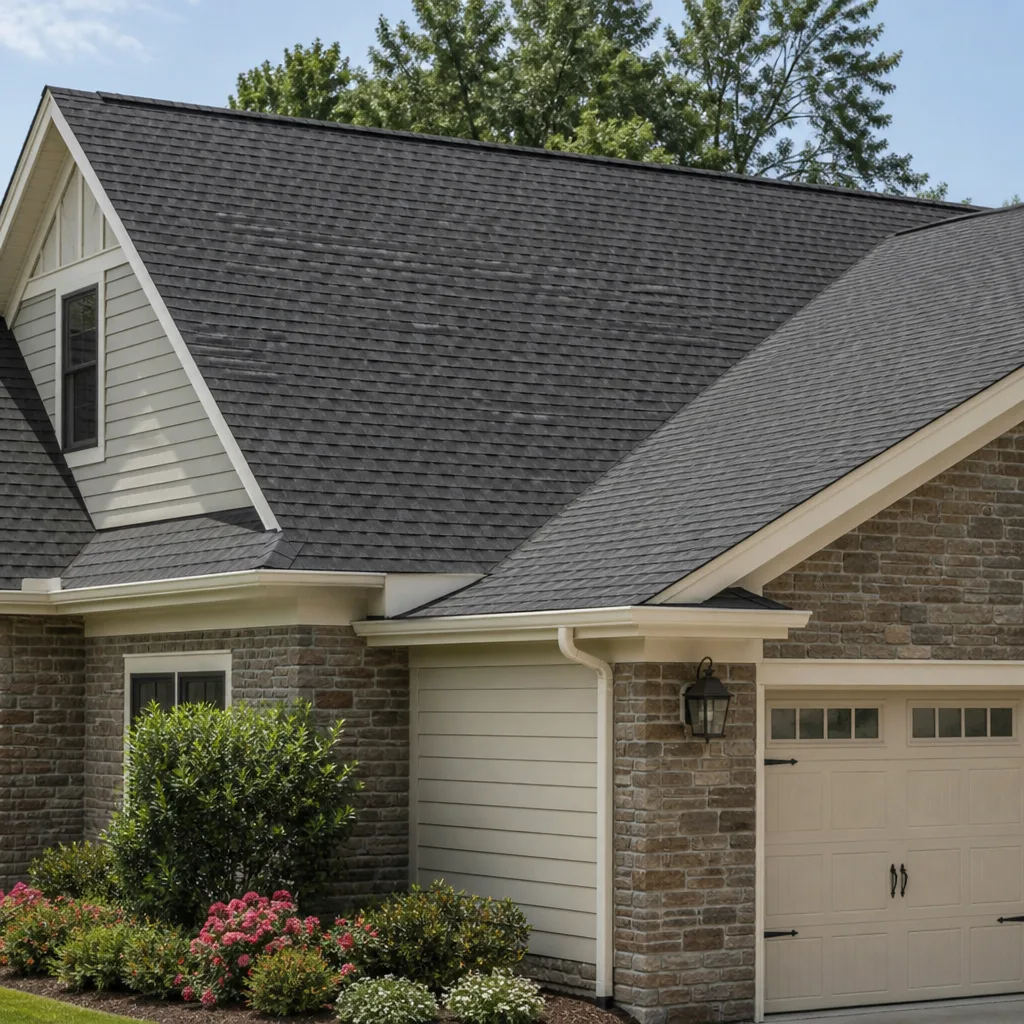 Architectural shingles
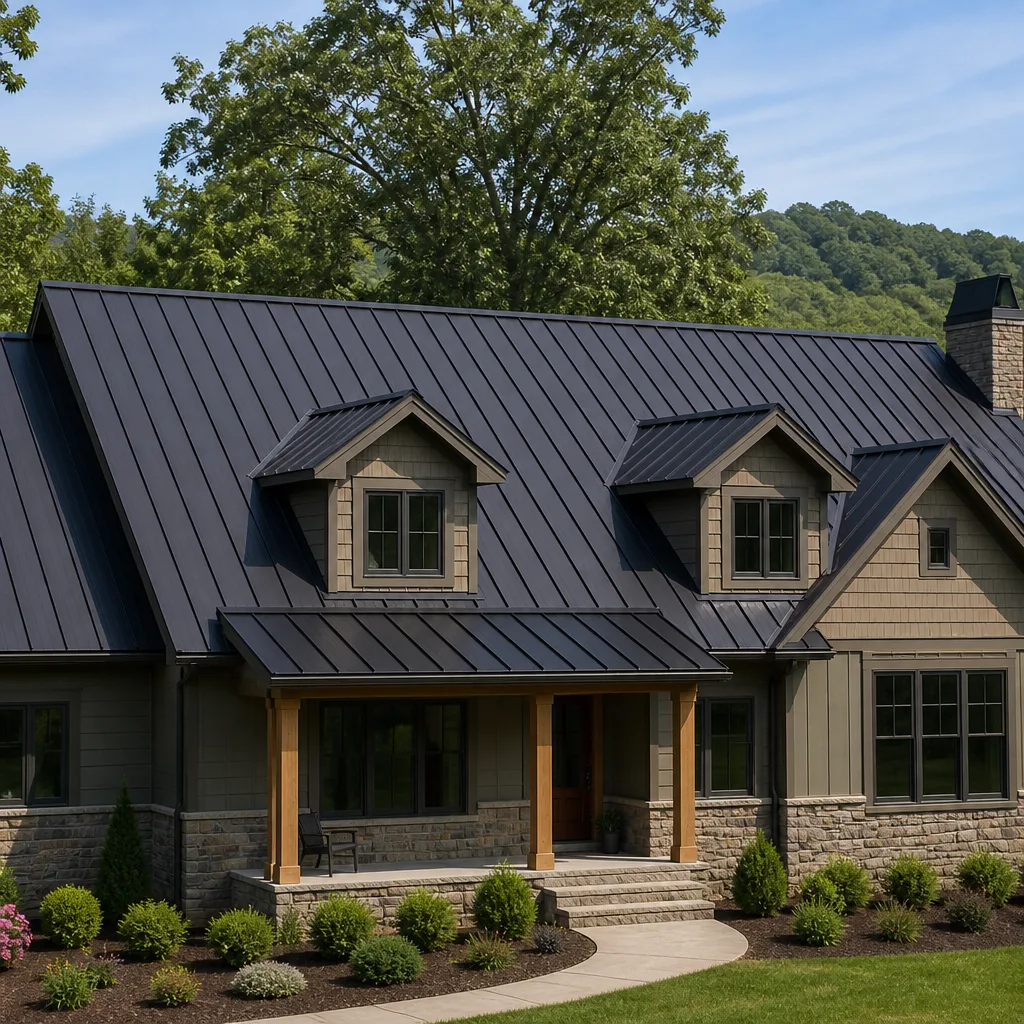 Metal roofing
 GAF
GAF Owens Corning
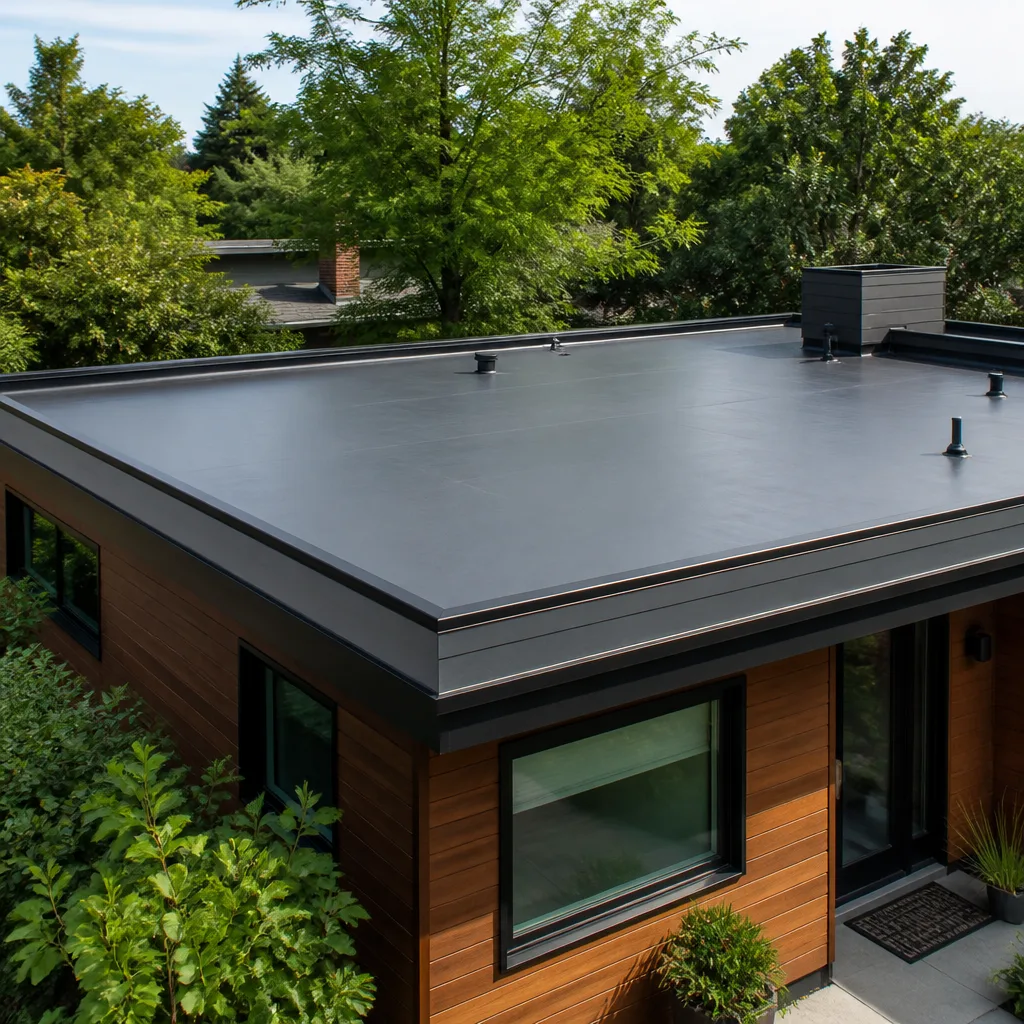 Flat & low-slope
Free roof inspection with deck photos before we talk money - GAF and Owens Corning certified installation
Atlas Gutter Replacement: The Austin Owner’s Guide
We stock and install Atlas-compatible gutter replacement parts across Austin, with most residential gutter section replacements running $8 – $14 per linear foot installed. A typical 40-foot gutter run in Austin runs $320 – $560 for full replacement, including hangers, end caps, and seamless or section-matched Atlas-profile material. Most Atlas gutter jobs are completed in a single visit, and we carry the common profiles on our trucks so we can match your existing roofline without a second trip.
Here’s how most Austin homeowners find us: a spring storm rolls through, the downspout tears loose from the fascia, or a seam that’s been quietly separating for two years finally lets go during a downpour. You look up and see water pouring off the corner of the house instead of through the downspout. That’s the moment you need a real answer about what it costs, not a vague “we’ll send someone out to take a look.” Greg Holloway has been reading Austin roofs and gutters long enough to give you a straight number before anyone climbs a ladder.
Tilehurst Roofing Austin is an independent local business and we are not affiliated with Atlas. We do, however, install and repair Atlas gutter systems regularly, along with systems from GAF, Owens Corning, and CertainTeed when homeowners prefer those profiles.
Which Atlas Models This Applies To
Atlas manufactures its gutter systems in two primary profiles: 5-inch K-style and 6-inch half-round. The vast majority of Austin homes with Atlas gutters have the 5-inch K-style profile, which Atlas produced extensively for the Texas market through the mid-2000s onward. The 6-inch half-round shows up on mid-century homes in neighborhoods like Allandale and Crestview, where the original builders specified a higher-capacity profile for the larger roof planes.
The gotcha with Atlas gutters is that the profile geometry differs slightly from generic box-store K-style. Atlas uses a deeper bottom bead and a slightly more aggressive inner bend, which means generic end caps and miter corners don’t always seat correctly. We’ve seen homeowners buy big-box end caps in Austin and end up with a 1/8-inch gap that leaks from day one. If you’re replacing a section yourself, measure the top opening width from front bead to back wall: Atlas 5-inch K-style measures exactly 4 – 7/8 inches across the top lip, not a full 5 inches. That 1/8-inch difference is how you confirm it’s an Atlas profile and not a generic.
For OEM versus aftermarket: Atlas-branded gutter sections are still available through specialty supply houses in Central Texas, but honestly, a quality 0.027-gauge aluminum section from a reputable aftermarket manufacturer will match the profile and last just as long. The failure point on gutters is rarely the aluminum itself. It’s the seam, the hanger spacing, or the pitch. We stock both OEM Atlas sections when available and thick-gauge aftermarket sections that match the Atlas geometry, and we’ll tell you which we’d put on our own house.
Styles & brands we work with
Signs Your Atlas Gutter Replacement Is Failing
- Water spilling over the front lip during rain. This usually means the gutter has lost its pitch. Austin’s clay soil shifts constantly, and fascia boards that were level ten years ago are now tilting the wrong way. We re-pitch and re-hang more gutters than we fully replace.
- Staining or streaking down the exterior wall below the gutter line. Water is getting behind the gutter or running down the face because the drip edge wasn’t installed to extend into the gutter trough. We see this constantly on Austin homes where the original roofer skipped drip edge to save money.
- Sagging sections pulling away from the fascia. The hangers are failing. Atlas systems installed with spike-and-ferrule fasteners (common in the 1990s and early 2000s) loosen as Austin’s freeze-thaw cycles work the wood. We replace them with screw-in hidden hangers.
- Visible gaps at seams or end caps. The sealant inside the seam has degraded. Austin’s summer heat bakes gutter sealant until it shrinks and cracks. A seam that’s separated more than 1/16 of an inch needs to be cleaned and re-sealed with a proper gutter-grade sealant, not silicone from a hardware store.
- Downspout pulling loose or detached at the elbow. The downspout straps weren’t spaced tightly enough, or the original installer used too few fasteners where the downspout turns. A loose downspout isn’t just an inconvenience; it’s actively pouring water against your foundation every time it rains.
See the difference
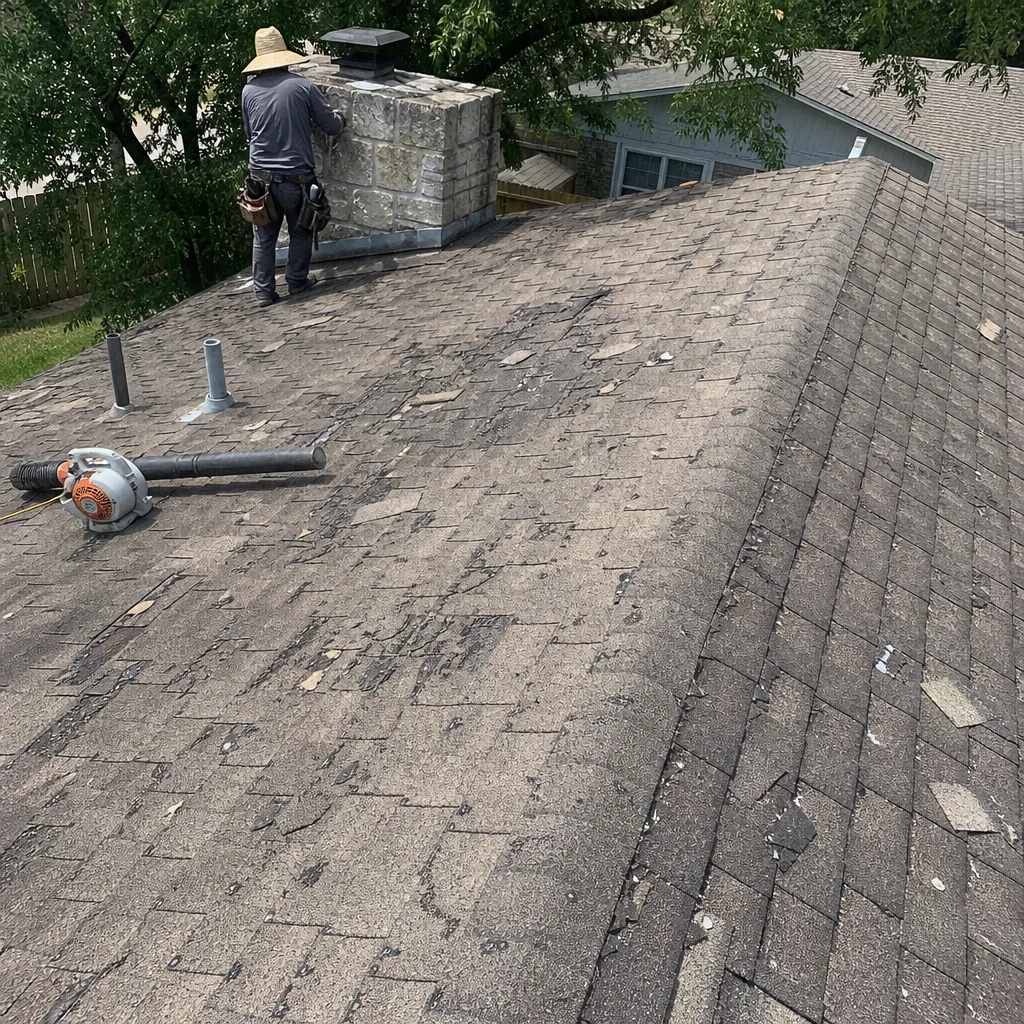 Before
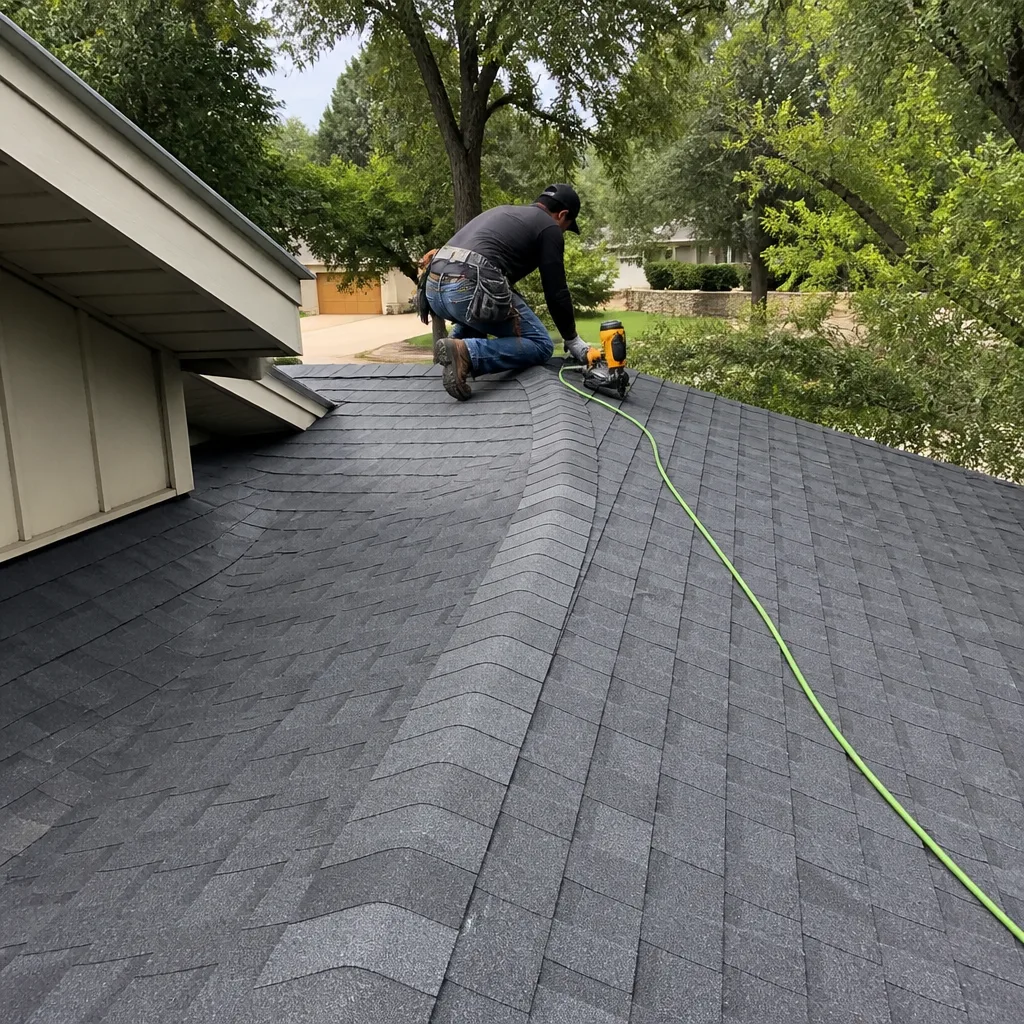 After
After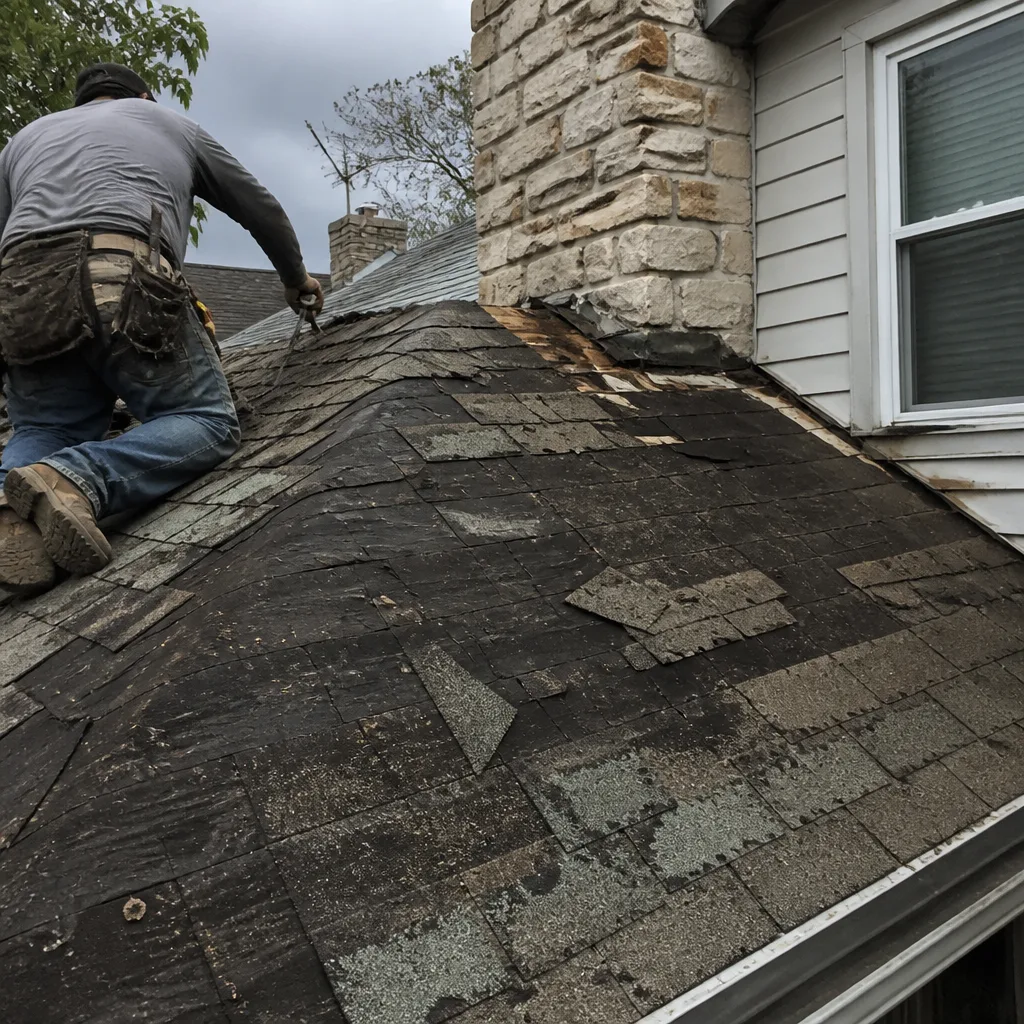 Before
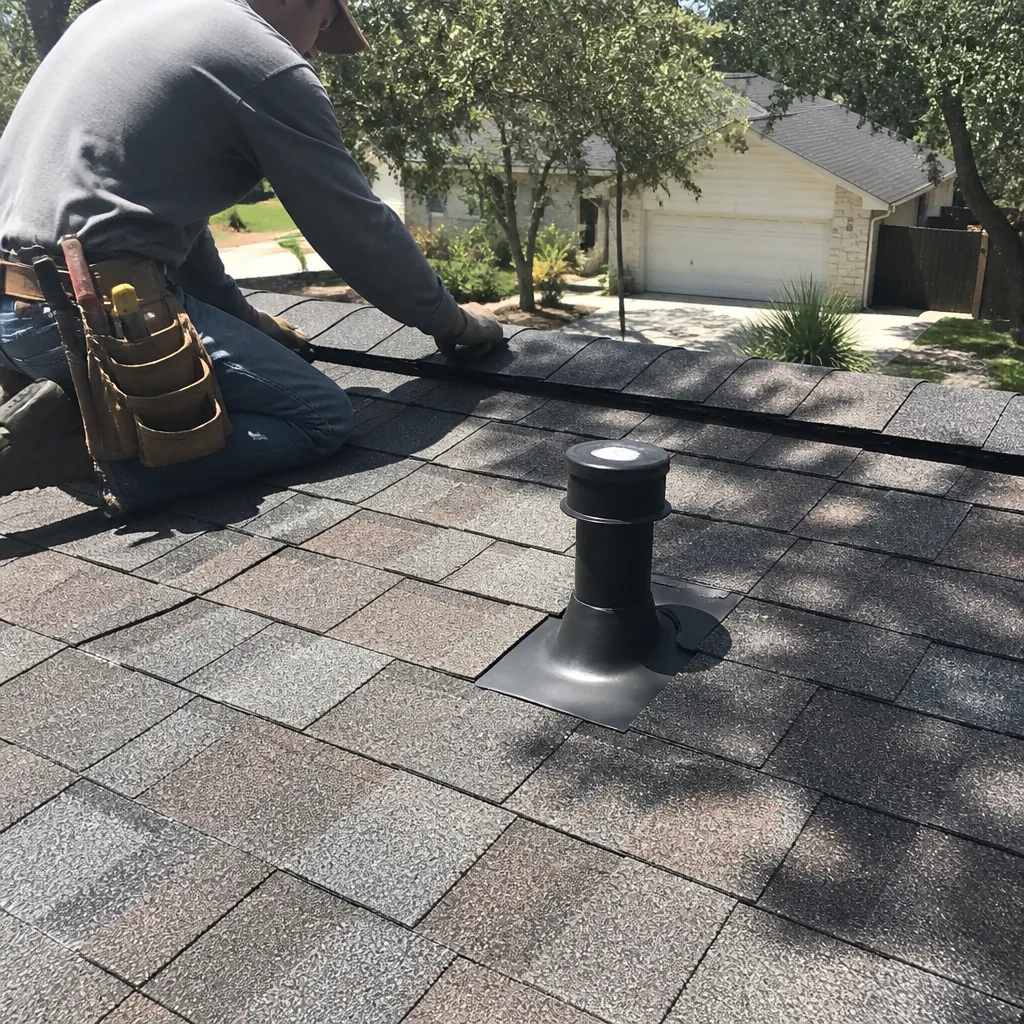 After
After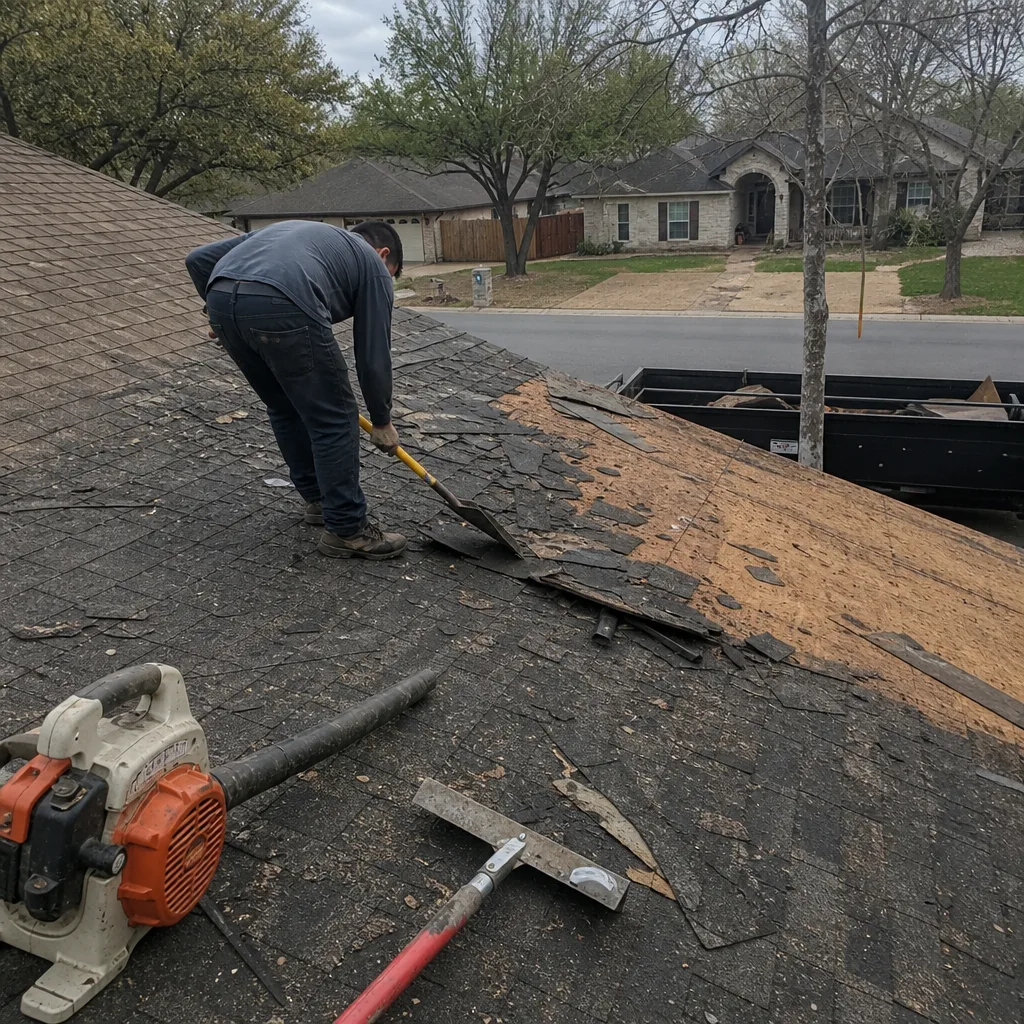 Before
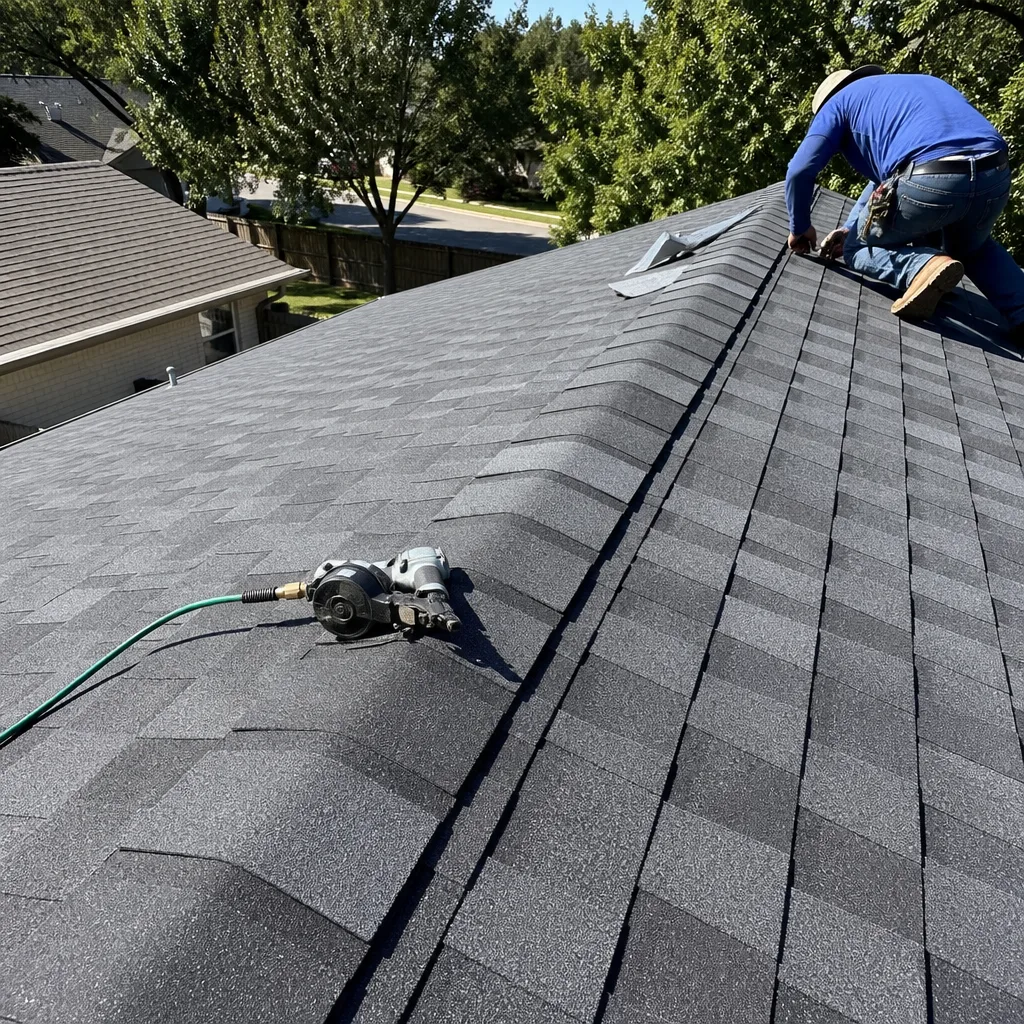 After
AfterReplacement Cost & What’s Included
In Austin, Atlas-compatible gutter replacement pricing tracks with the wider Texas market, but job conditions move the number. Here’s what to expect:
- Section replacement (partial run up to 20 linear feet): $160 – $320 installed, depending on accessibility and whether fascia repair is needed.
- Full gutter run replacement (40 linear feet, single-story home): $320 – $560 installed, including end caps, miter corners if needed, and hangers spaced every 24 inches.
- With downspout replacement: Add $8 – $12 per linear foot for downspout sections, plus elbows and straps.
- Fascia board repair: If the wood behind the gutter is rotted, that’s a separate line item. Rotted fascia in Austin typically runs $6 – $10 per linear foot to replace and prime before the gutter goes back up.
Every quote from Tilehurst Roofing Austin includes the full parts-and-labor breakdown in writing before any work starts. No change orders, no “we found more once we got up there” calls. We write the price, you approve it, then the crew starts. The gutter work itself is covered by our written guarantee, and if a seam fails or a hanger lets go within the guarantee period, we return and correct it at no charge under the 365-Day Done Right Promise. That’s the Kingswell Way: say the price before the work, show up in the window we gave, leave the place cleaner than we found it, put the guarantee in writing, come back if it fails.
DIY or Call Us?
Here’s the honest split, because we’d rather you know than guess. What an owner can safely check: look for visible sagging or gapping seams from the ground (don’t climb on the roof), clear debris from the gutter trough with a ladder stabilizer and gloves, and check that downspouts extend at least 4 feet away from the foundation. Those are maintenance tasks, not repairs.
Where DIY goes wrong on Atlas gutters: re-pitching requires knowing how much slope per foot (quarter-inch per 10 feet is standard), and getting it wrong means you’ve just re-hung a gutter that still overflows. Miter corners on Atlas profiles need to be cut on a specific angle. And the big one: working on a ladder at roofline height while handling 10-foot aluminum sections in the wind is genuinely dangerous. Gutters are light but awkward, and Austin’s afternoon gusts don’t help. If you’re not confident on an extension ladder, tap that phone. Call (254) 540-7345, describe what you’re seeing, and we’ll tell you whether it’s a repair or a replacement, and what each one costs. Greg’s signature on this one: tell me the roof, I’ll tell you the price – no surprises once we’re up there.
FAQs
In Austin’s climate, aluminum Atlas gutters typically last 20 to 25 years if they were installed with proper hanger spacing and the seams stay sealed. The Texas sun is the main aging factor, not the rain. Seam sealant usually starts failing at the 8 to 10 year mark, which is why we recommend an inspection on any gutter system once it passes a decade. Call (254) 540-7345 to have us take a look, and if it’s maintenance rather than replacement, we’ll tell you that straight.
Yes, if the damage is limited to a separated seam, a loose end cap, or sagging hangers, that’s a repair, not a replacement. Most repairs run $120 – $220 on a 20-foot section. But if the aluminum is dented, crushed, or has holes from falling tree limbs, patching is usually a temporary fix at best. We’ll tell you if a repair buys you another decade or just delays the inevitable. Call (254) 540-7345 and we’ll give you a straight answer before anyone climbs a ladder.
A typical single-story Austin gutter replacement, 40 to 60 linear feet, takes 2 to 4 hours with a two-person crew. Two-story homes or steep roof pitches add time, but most gutter work is still a single-day job. We schedule a firm arrival window and our crews carry the common Atlas profiles on the truck, so there isn’t a supply-run delay in the middle of the day. We’ll give you a written time estimate on the same quote that carries the price.
We stock the common parts: Atlas-profile 5-inch K-style sections, end caps, miter corners, downspout elbows, straps, and screw-in hidden hangers. The 6-inch half-round profile is less common in Austin and may require a supply-house run, which we factor into the schedule before we commit to a date. Call (254) 540-7345 with your gutter profile and approximate dimensions, and we’ll confirm before the visit whether we can complete everything the same day or need to order a specific section.
Written by Greg Holloway, Owner, Tilehurst Roofing Austin at Tilehurst Roofing Austin, serving Austin and nearby areas.