
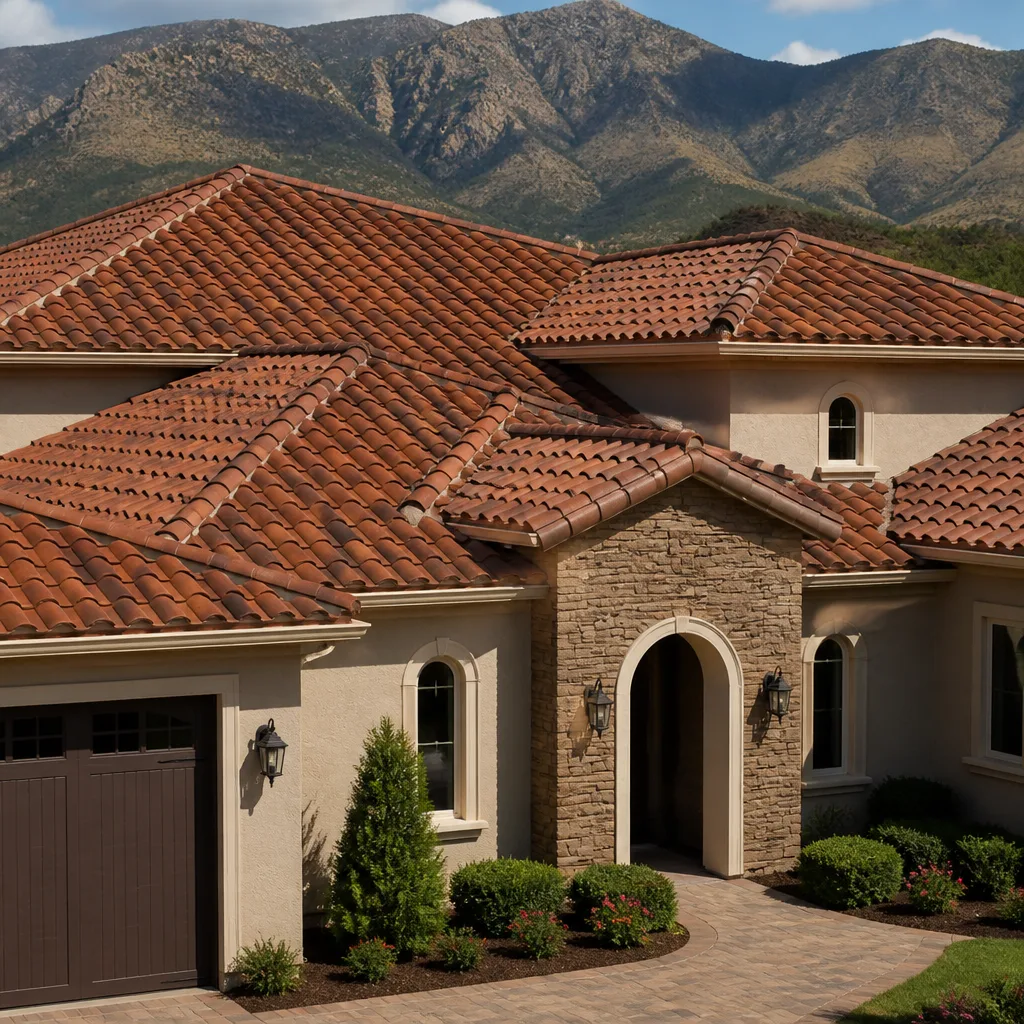
 Tile roofing
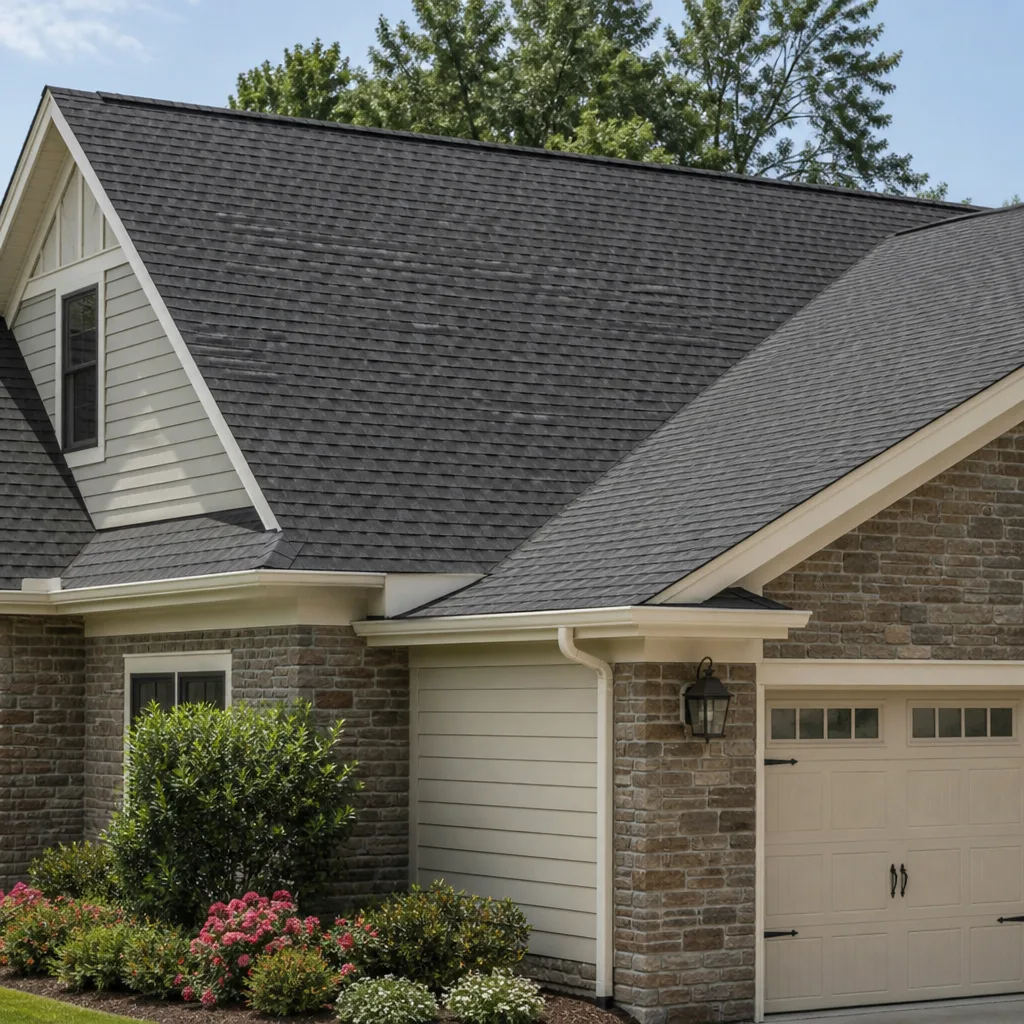 Architectural shingles
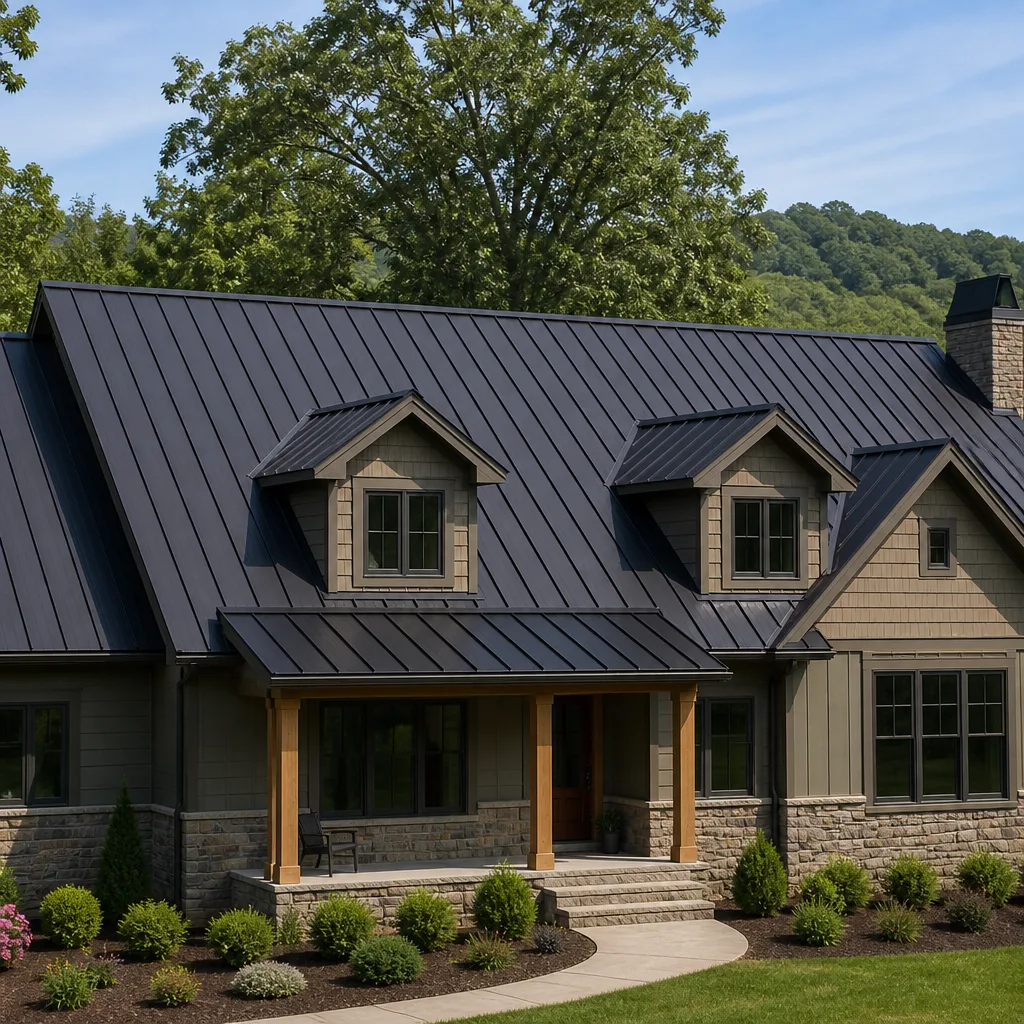 Metal roofing
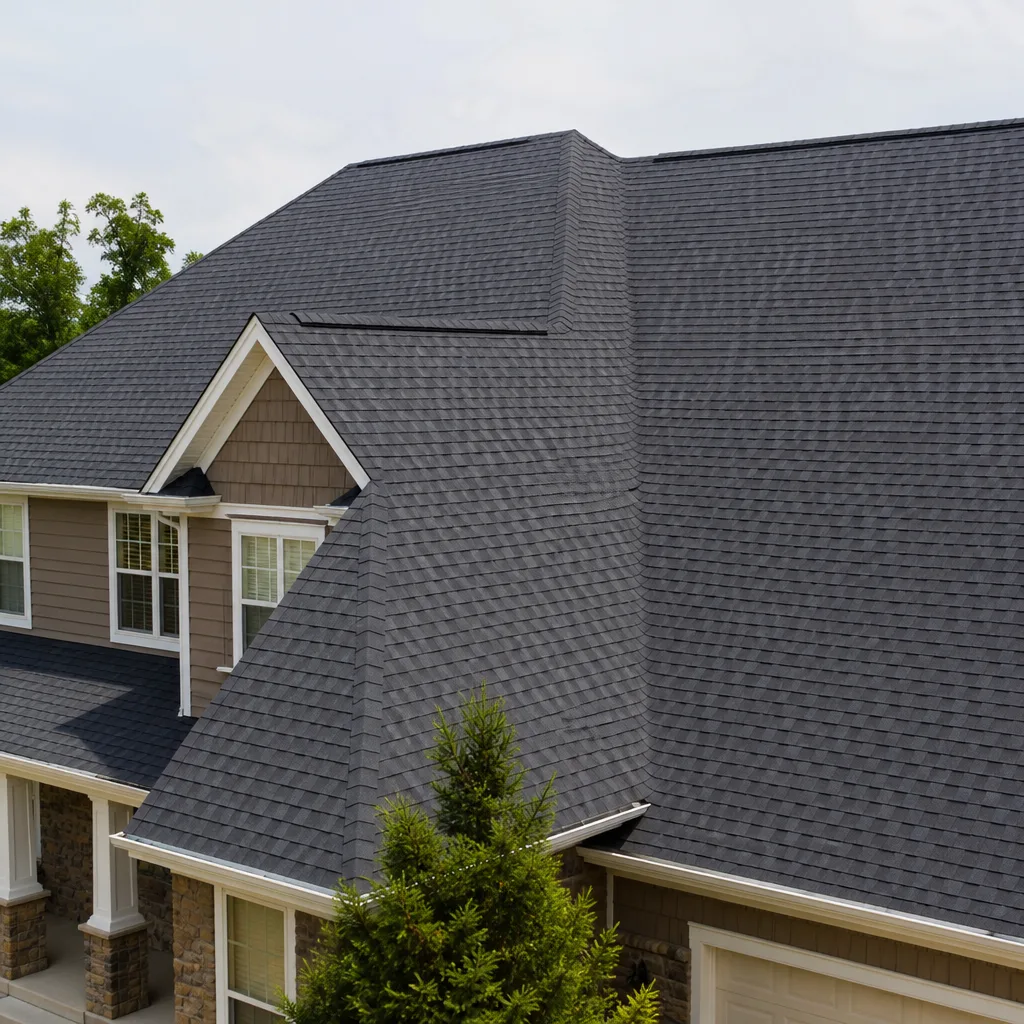 GAF
GAF Owens Corning
 Flat & low-slope
Free roof inspection with deck photos before we talk money - GAF and Owens Corning certified installation
Owens Corning Ridge Vent Installation: The Austin Owner’s Guide
We stock and install Owens Corning-compatible ridge vents across Austin, and most full ridge vent replacements run between $450 and $900 installed, depending on roof length and whether the old vent material needs to be pulled and disposed of. The job usually takes half a day. Most Austin homeowners discover their ridge vent has failed because they notice granules in the gutter, a musty smell in the attic, or a roof that suddenly won’t shed heat the way it used to.
Ridge vents are the unsung workhorse of your roof’s ventilation system. When they fail, the attic stops breathing: heat builds up, shingles start cooking from the underside, and the whole system works harder while doing less. If you’ve got an Owens Corning roof and a ridge vent that’s cracked, lifted, or clogged, you’re dealing with a part that matters more than it looks like it should.
Which Owens Corning Models This Applies To
Owens Corning’s current ridge vent lineup centers on the VentSure series, which comes in two main configurations: the 4-foot rigid panels and the flexible roll form. The rigid VentSure panels interlock end-to-end and are the more common choice on newer Owens Corning architectural shingle systems. The flexible roll version is a single piece that rolls across the ridge, and in our Austin work we see it most on older CertainTeed and GAF roofs where an Owens Corning vent was retrofitted, not factory-paired.
The compatibility gotcha that trips up a lot of Austin homeowners is this: not every ridge vent works with every Owens Corning shingle profile. The VentSure 4-foot panel needs a ridge slot cut to a specific width, typically 2 inches on each side of the ridge beam for a total vent opening of about 18 square inches per linear foot. Cut the slot too wide and you lose the vent’s weather seal; cut too narrow and you restrict airflow. We also see compatible performance from quality aftermarket vents like the Air Vent ShingleVent II or GAF Cobra series, but when the roof already wears Owens Corning shingles, we default to the VentSure because the shingle over-cap matches the profile better and the warranty documentation stays cleaner.
We carry VentSure rigid panels and flexible rolls on the truck, alongside GAF and CertainTeed vent options for mixed-brand roofs.
Styles & brands we work with
Signs Your Owens Corning Ridge Vent Installation Is Failing
- Granules collecting in the gutters or at the downspout outlet. This is the earliest sign we see in Austin roofs. The shingle over-cap on a ridge vent wears faster than field shingles because it flexes over the vent’s raised profile, and when the cap loses its granule layer, rain and UV start working on the vent itself.
- A musty or stale smell in the attic during summer heat. When the VentSure panel cracks or the end caps pop loose, the attic stops pulling air. Austin’s 100-degree afternoons bake the air inside, and the smell is usually the first thing you notice when you poke your head up there.
- Daylight visible through the ridge from inside the attic. If you can see slivers of light along the ridge line through the vent material, the vent has physically separated or the shingle over-cap has lifted. That’s a water entry point waiting for the next storm.
- Shingle caps along the ridge lifting or curling at the edges. The ridge cap shingles are nailed over the vent, and when the vent’s underlying structure warps from heat cycling, the caps telegraph the damage upward.
- Hot spots on the ceiling directly below the ridge. When the vent fails but the attic still has soffit intake working, the stack effect reverses and pushes heat down instead of out. You’ll feel it in the hallway or the upstairs bedrooms first.
See the difference
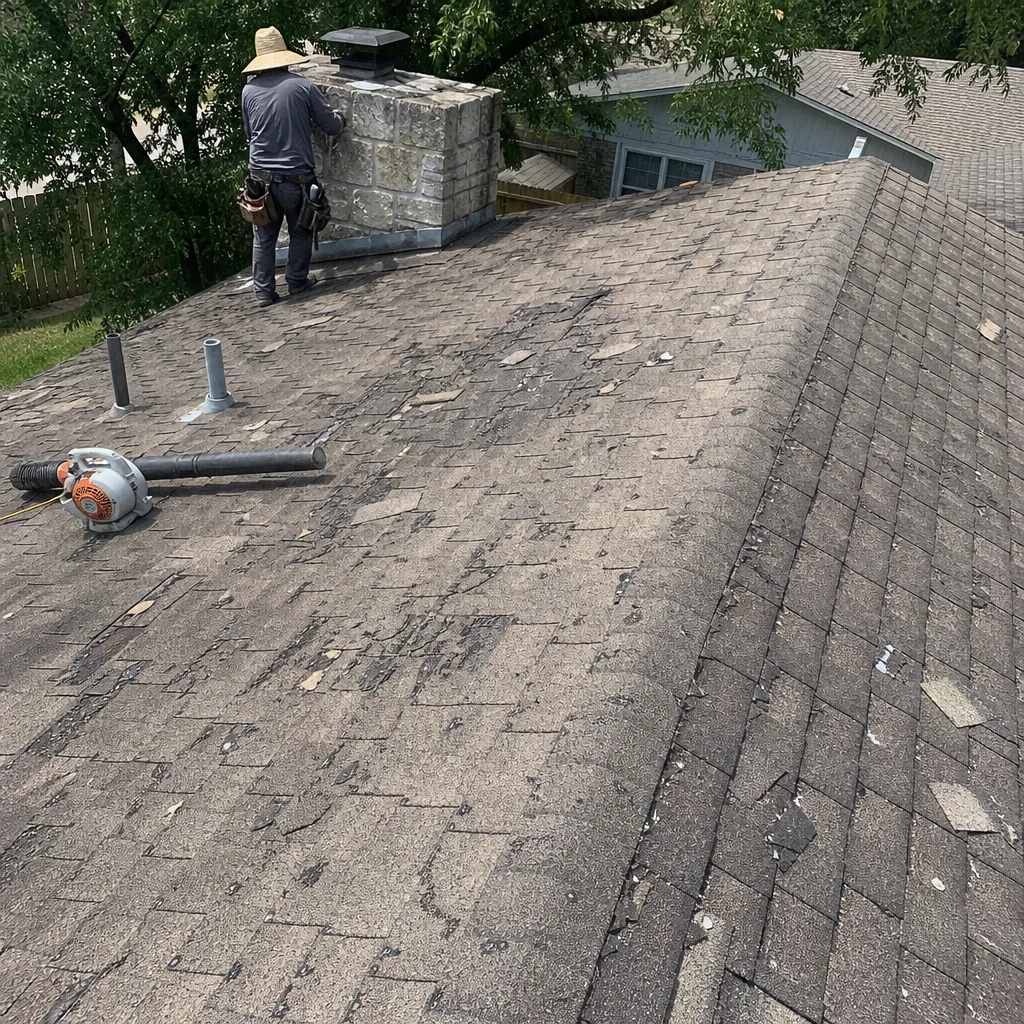 Before
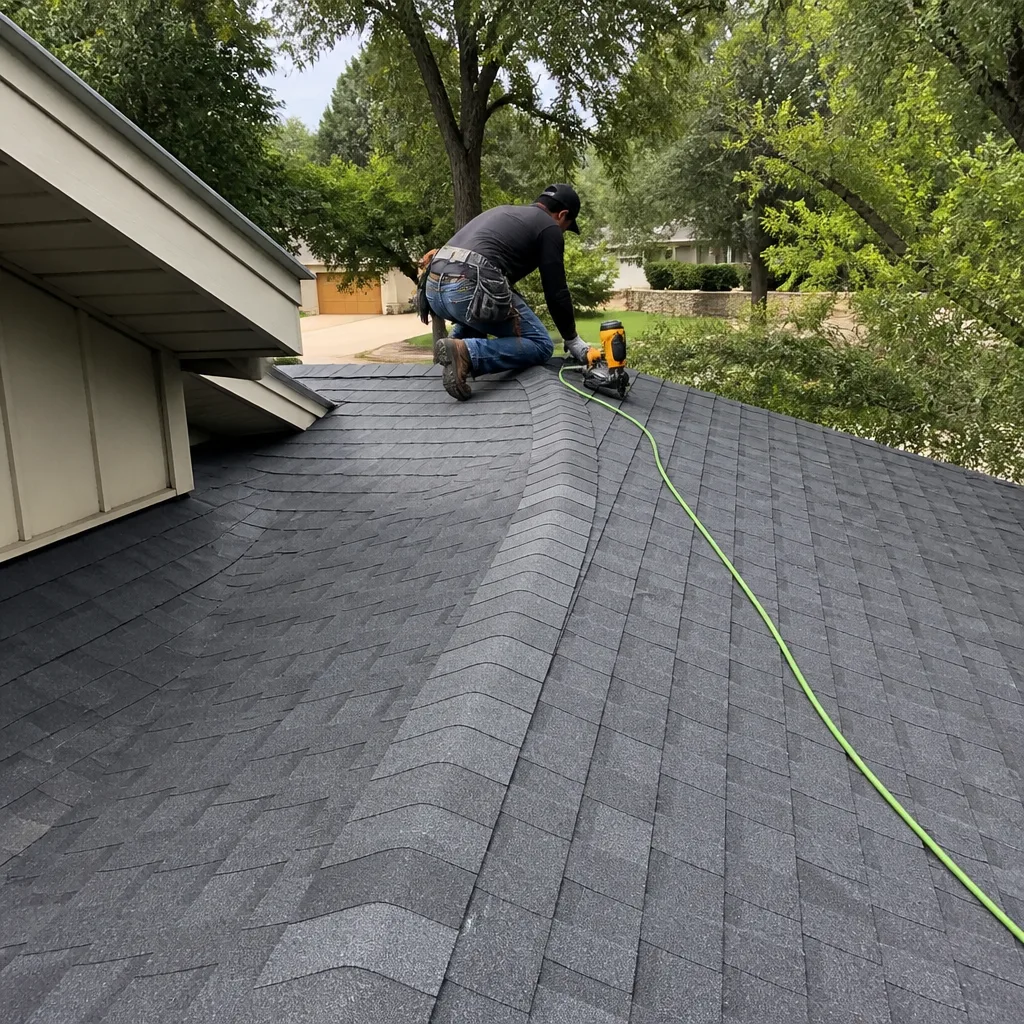 After
After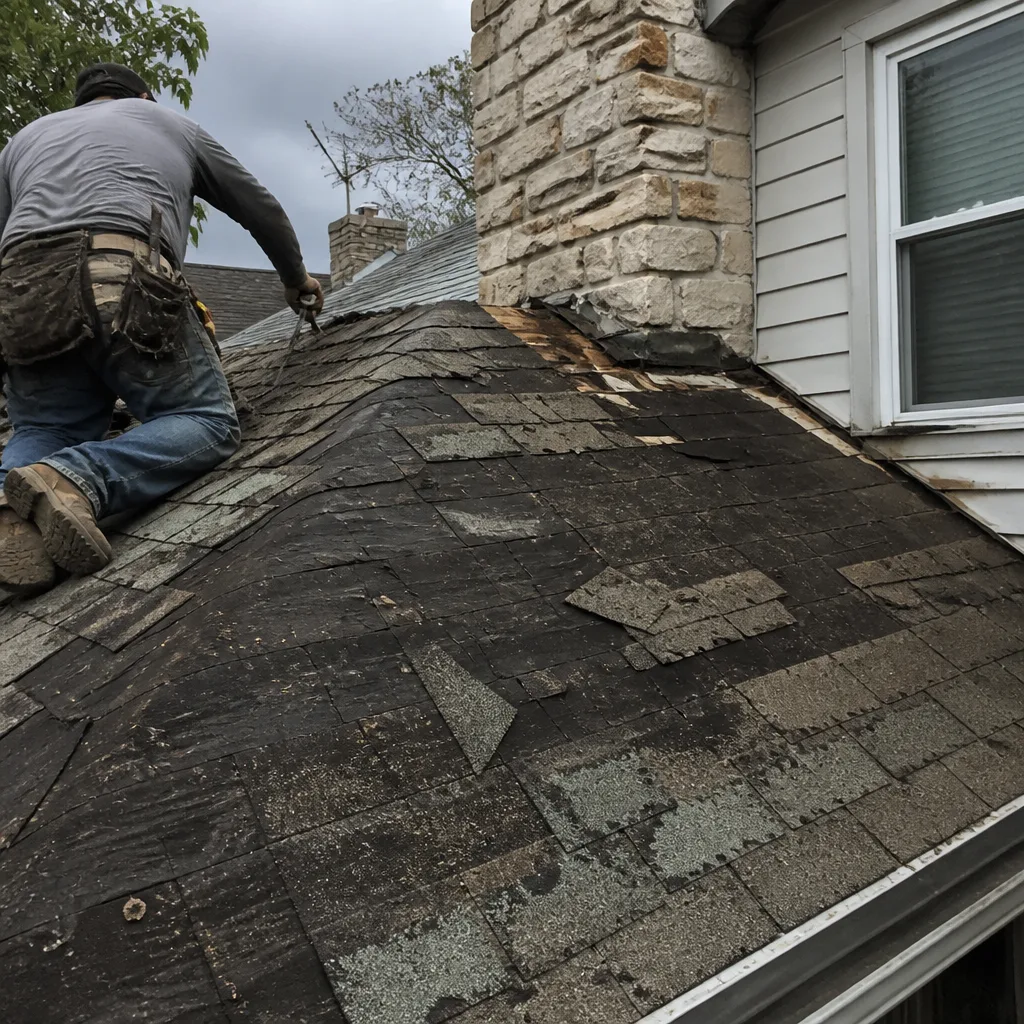 Before
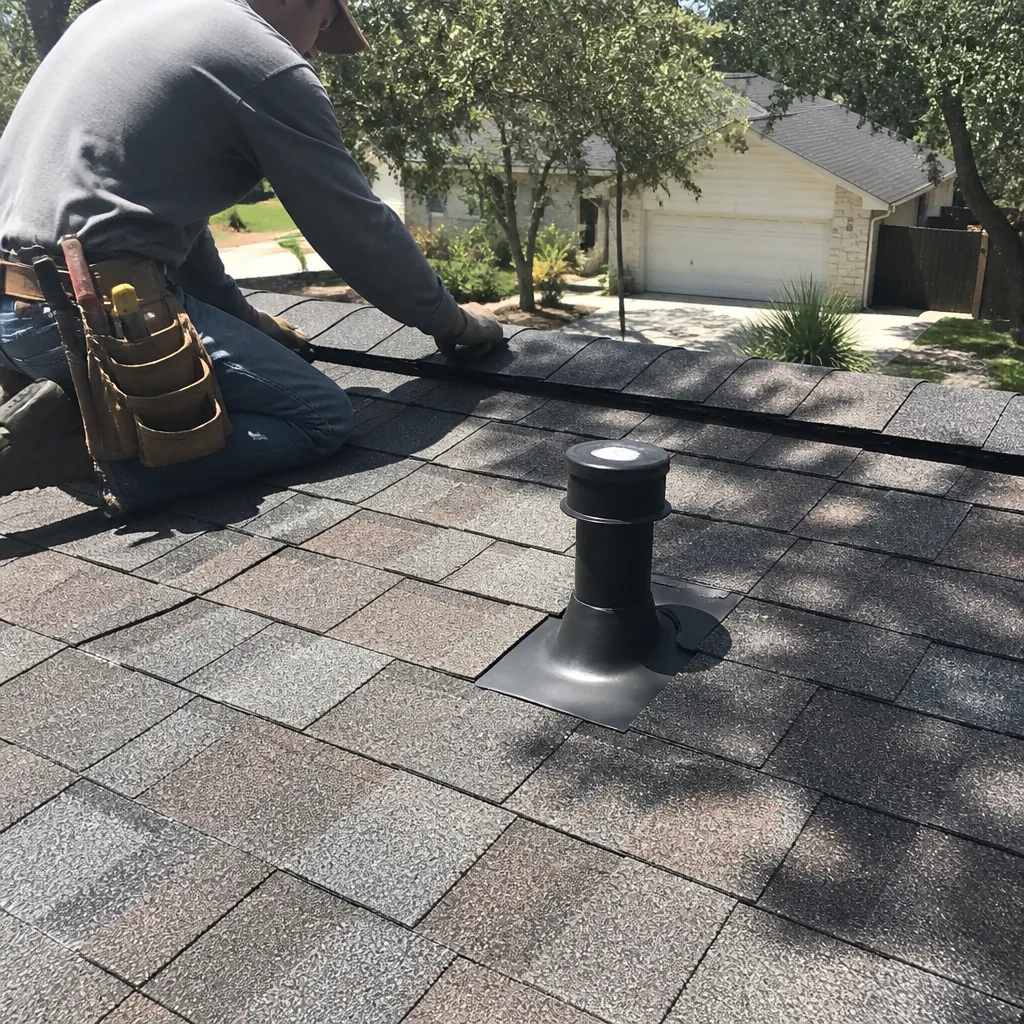 After
After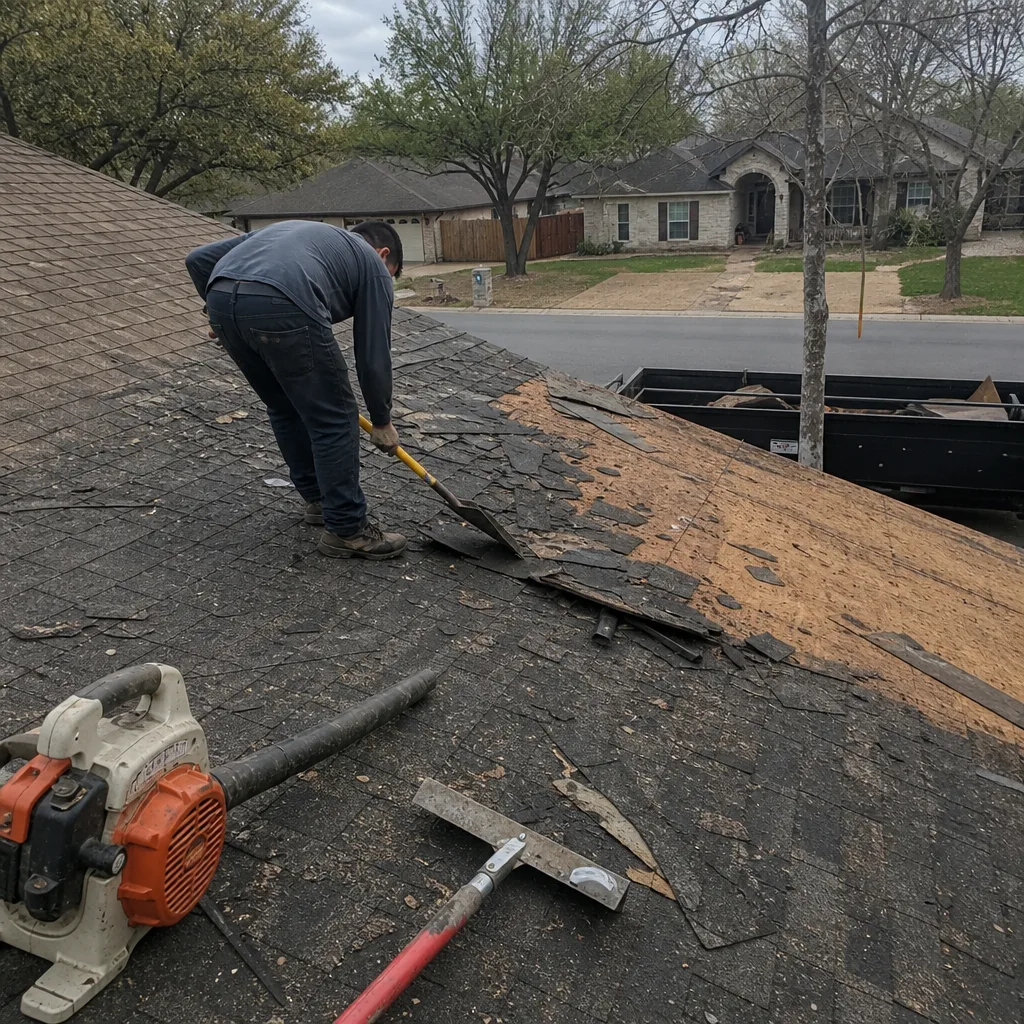 Before
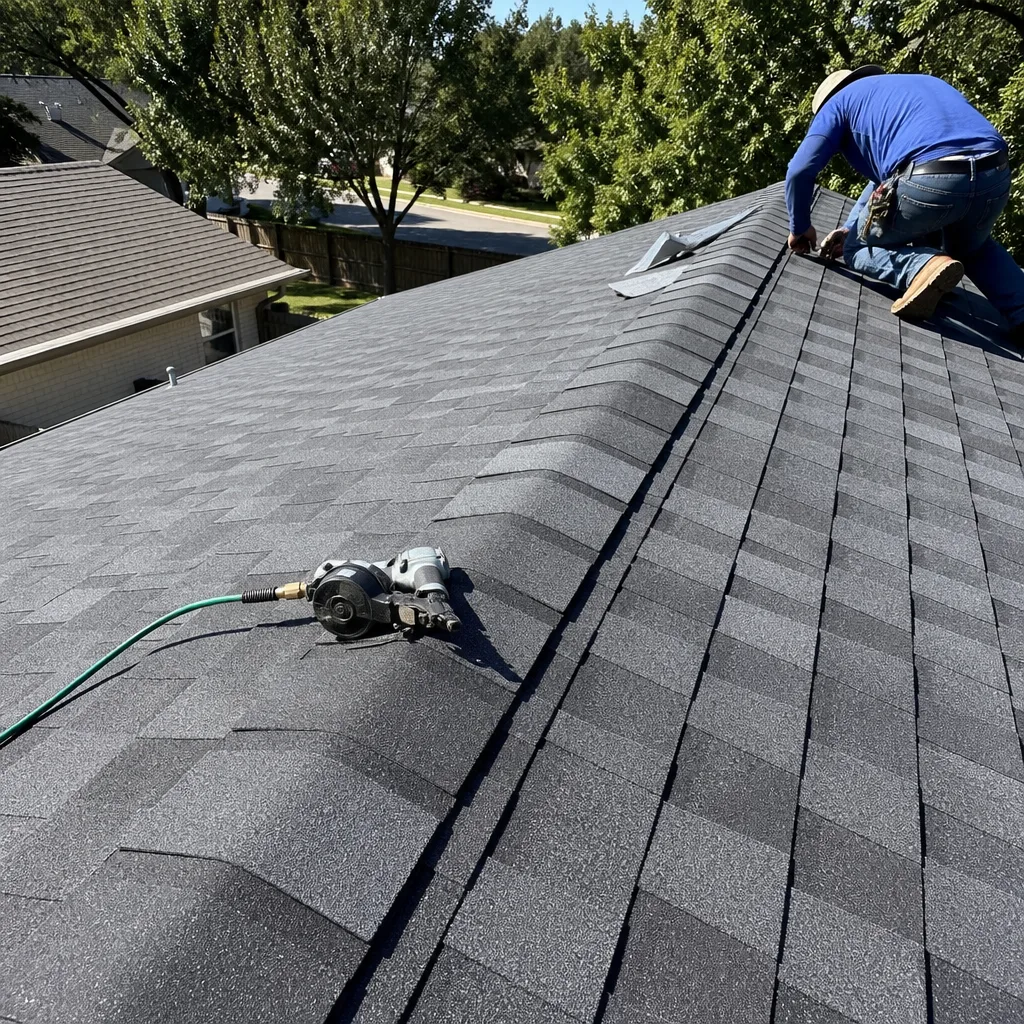 After
AfterReplacement Cost & What’s Included
For a typical Austin single-story home with 30 to 50 linear feet of ridge, you’re looking at $450 to $900 installed. A two-story with multiple ridge lines or a steep pitch that requires full roof access equipment can push that to $1,200. The price breaks down simply: the VentSure material runs roughly $6 to $10 per linear foot, and the labor covers removing the old vent, cutting the replacement slot if needed, installing the new vent and end caps, and capping it over with shingles that match your Owens Corning color profile.
We don’t bid the ridge vent alone. If the decking under the vent is rotted or the existing slot needs recutting, we tell you what that costs before we touch it. Tilehurst Roofing Austin is an independent roofing company, not affiliated with Owens Corning, so we’re honest about when an aftermarket vent makes better sense for your roof and when the VentSure is the only sensible choice. Every ridge vent replacement from us comes with a written guarantee, delivered before the crew leaves the property.
DIY or Call Us?
You can absolutely walk your roof line from the ground with binoculars and spot lifted caps, cracked vent panels, or missing end caps. You can also check the attic on a hot afternoon and feel whether air is moving along the ridge line. What you shouldn’t do is pull up ridge cap shingles and swap the vent yourself. Ridge vent installation means working at the highest point of the roof, standing on the slope, with nails and a vent that won’t seal unless it’s installed perfectly straight. It’s the kind of repair where a small mistake becomes a ceiling stain six months later, and a fall risk never goes away. If you’re up there and you’re not sure, call us and we’ll take a look.
Tell me the roof, I’ll tell you the price – no surprises once we’re up there. We’ll come out, inspect the vent, and put a number in writing. If you don’t like the number, you keep the inspection.
FAQs
An Owens Corning VentSure ridge vent typically lasts 15 to 20 years in Austin’s climate, but the shingle over-cap usually needs attention at the 10 to 12 year mark because Central Texas heat and hail accelerate granule loss. The vent itself can outlast the cap if it’s installed with proper end caps and no exposed plastic. Call (254) 540-7345 if you want us to check yours; we’ll tell you honestly whether you’ve got years left or a problem brewing.
Short answer: sometimes. If the damage is limited to a cracked end cap or a single panel that’s lifted at one end, a spot repair can buy you a year or two. But most ridge vent failures in Austin are heat-related, which means the whole run is compromised even if only one section shows visible damage. We’ll assess it and give you both numbers – repair and full replacement – so you can decide with your own budget in front of you. Estimates are free.
A typical single-family ridge vent replacement in Austin takes about 3 to 4 hours on the roof, plus another hour for cleanup and the written guarantee. Longer ridge lines or two-story access add time, but most jobs are done inside a single morning. Call (254) 540-7345 and we’ll give you a window, not a maybe.
Yes. Our Austin trucks carry the VentSure 4-foot rigid panels and flexible rolls, plus matching end caps. If your roof uses a different vent profile, we also stock GAF Cobra and CertainTeed intake and exhaust options so the replacement fits what’s already up there. The free estimate gives you the exact material and labor number before any work starts.
Written by Greg Holloway, Owner, Tilehurst Roofing Austin at Tilehurst Roofing Austin, serving Austin and nearby areas.