
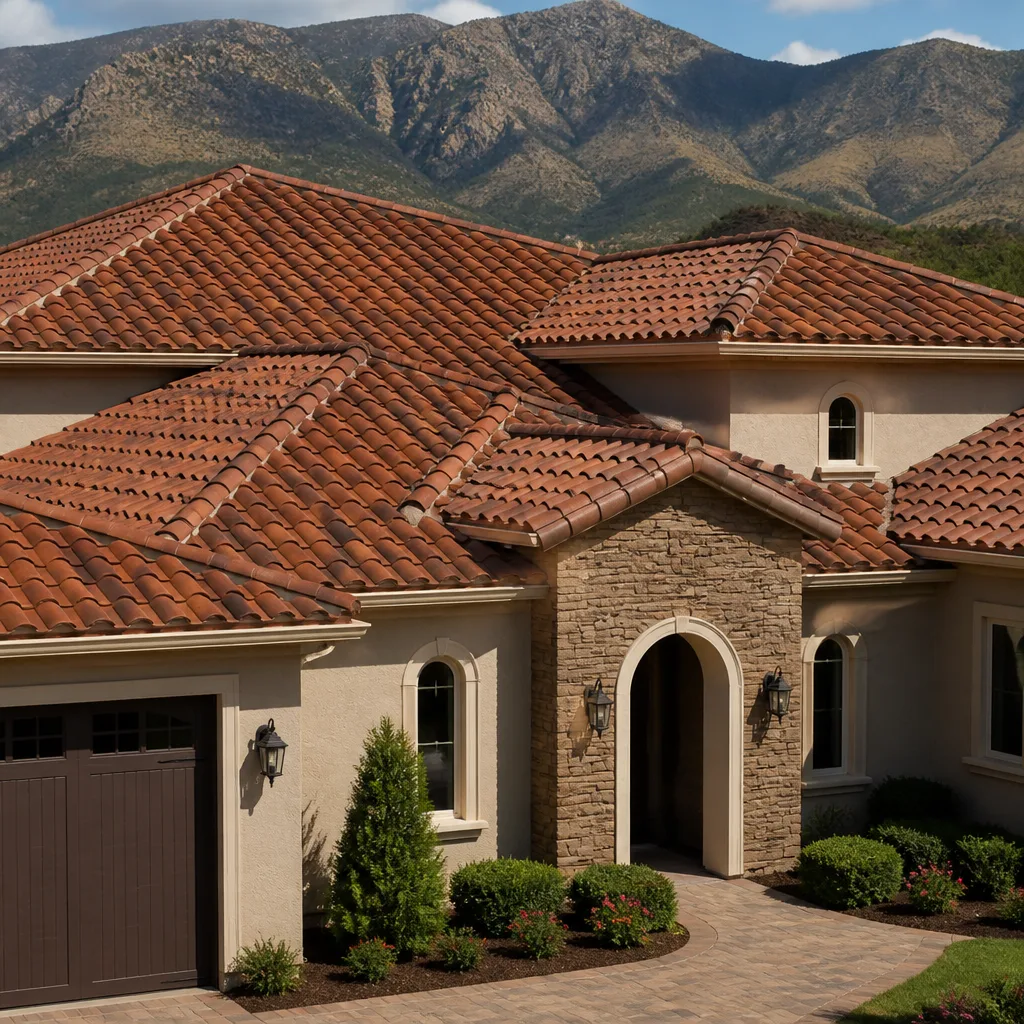
 Tile roofing
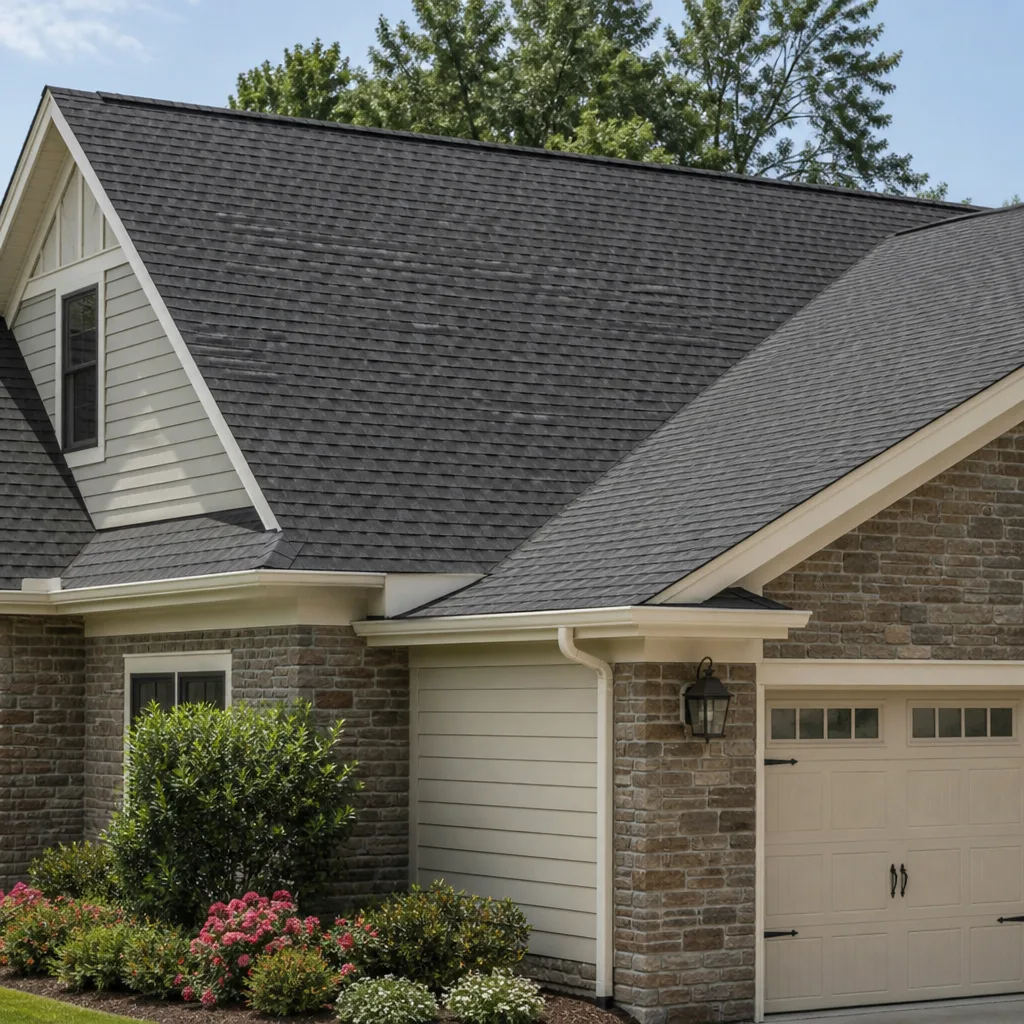 Architectural shingles
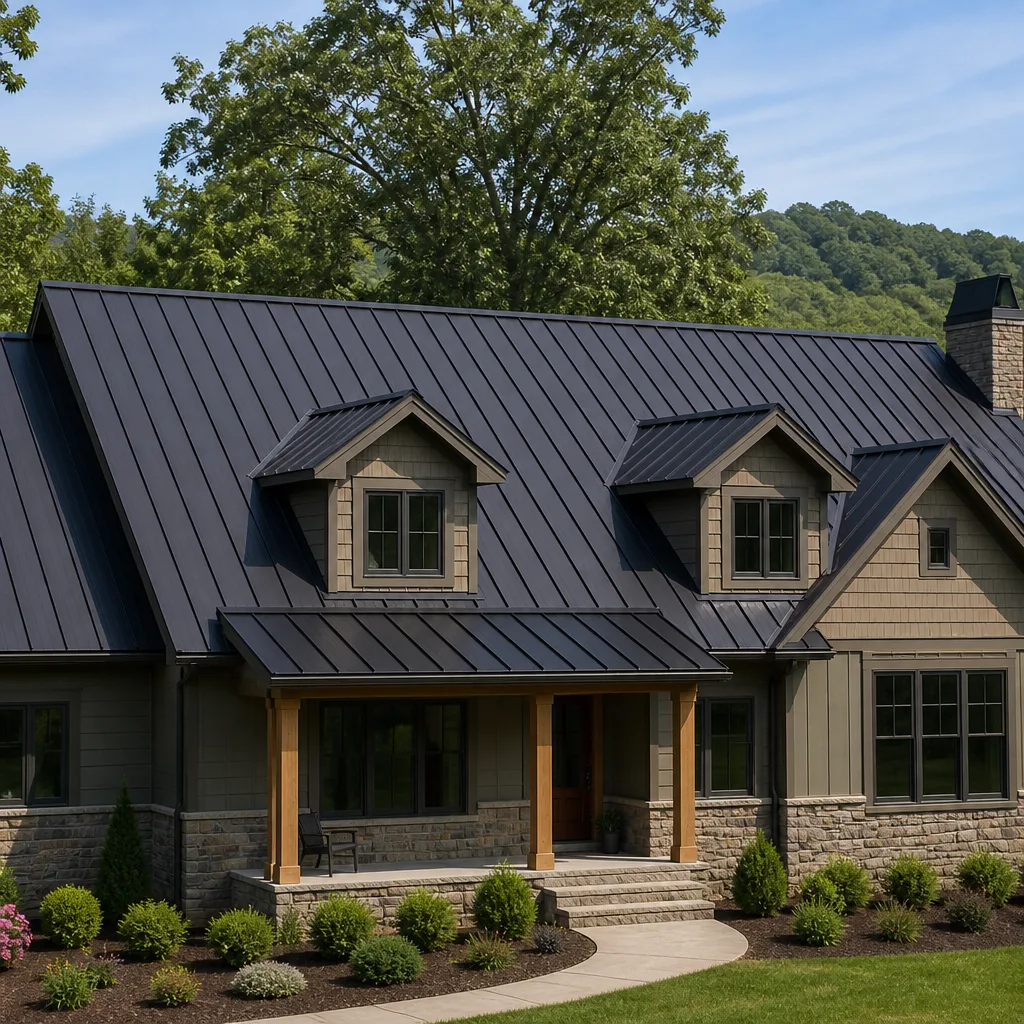 Metal roofing
 GAF
GAF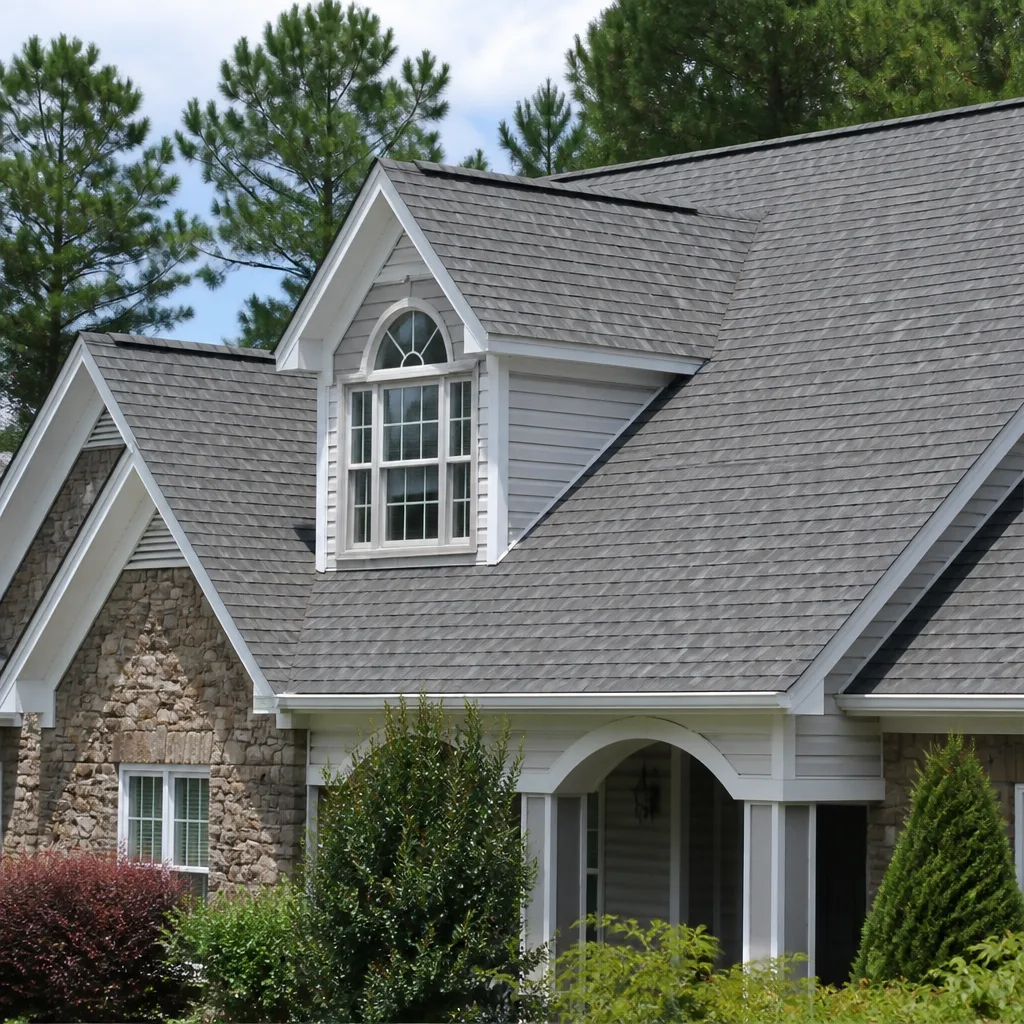 Owens Corning
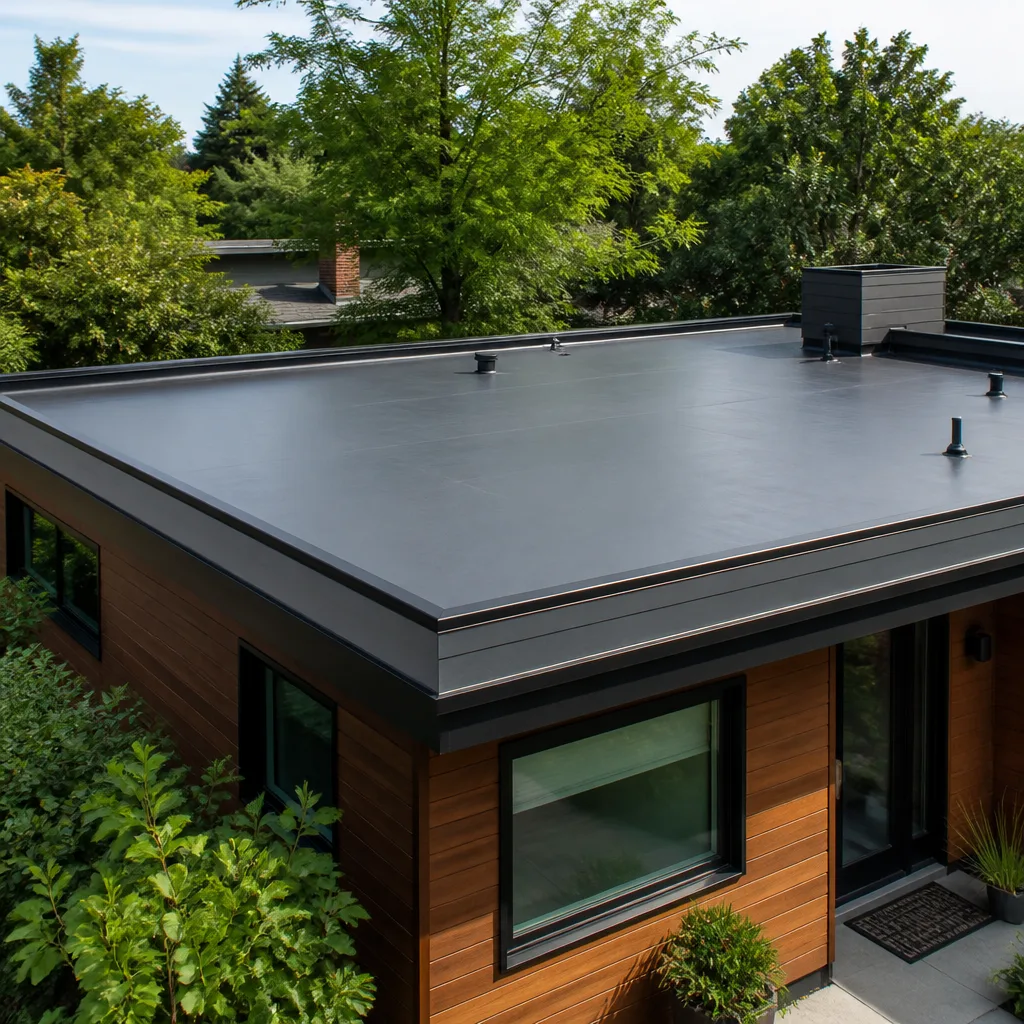 Flat & low-slope
Free roof inspection with deck photos before we talk money - GAF and Owens Corning certified installation
CertainTeed Underlayment & Deck Repair: The Austin Owner’s Guide
If your CertainTeed roof is leaking, buckling, or showing soft spots, the underlayment or the decking beneath it has likely failed. We stock CertainTeed-compatible underlayment and decking on our trucks and install it across Austin, with most underlayment and deck repairs running between $450 and $1,800 depending on how many sheets of decking need replacing and how much of the roof field has to come off. The typical discovery goes like this: you spot a water stain on the ceiling after a spring storm, or a shingle lifts in the wind and you see dark, crumbling felt underneath. That’s the underlayment telling you it’s finished.
What most Austin homeowners don’t realize is that underlayment and decking fail together. The underlayment is the waterproof layer between your CertainTeed shingles and the plywood deck. Once it tears or rots, water reaches the deck, and Austin’s humidity does the rest. We’re an independent service provider, not affiliated with CertainTeed, but we install their full line week in and week out, and we also stock parts for GAF and Owens Corning systems.
Which CertainTeed Models This Applies To
CertainTeed builds their roofing systems around a handful of underlayment lines, and the repair path depends on which one you have. The three you’ll most likely find on Austin homes are RoofRunner (their synthetic entry-level underlayment, installed over most standard asphalt shingle systems), DiamondDeck (a heavier synthetic rated for steep slopes and high-wind zones), and WinterGuard (their peel-and-stick ice and water shield, which Central Texas roofers use less for ice and more for leak-prone valleys, penetrations, and low-slope sections).
How to identify what’s on your roof: look for the printed label on the underlayment face when a shingle lifts, or check the original install paperwork if you bought the home with a documented CertainTeed system. The label will show the product name and roll width, typically 36 inches or 48 inches. One gotcha specific to CertainTeed: DiamondDeck is noticeably thicker than RoofRunner, and substituting a thinner product during a patch job will fail within two years in Texas heat. If your home sits under heavy tree canopy in neighborhoods like Allandale or Hyde Park, the original installer may have used DiamondDeck specifically for that reason. As for OEM versus aftermarket: for the underlayment itself, we use the CertainTeed product when the warranty on the rest of the roof depends on system compatibility. For decking, the plywood is commodity, and we match the original thickness, usually 15/32-inch or 19/32-inch CDX or OSB, whichever was originally installed.
Styles & brands we work with
Signs Your CertainTeed Underlayment & Deck Repair Is Failing
- Water stains on ceilings or walls after rain. By the time water shows up inside your Austin home, the underlayment has already failed at that spot and the decking is likely already soft or delaminated. The stain is the last symptom, not the first.
- A shingle lifts easily in the wind or feels loose underfoot. CertainTeed shingles bond to the underlayment and deck with both fasteners and sealant. When the deck’s top layer rots, nails lose grip and shingles start lifting in the Austin wind, especially on east-facing slopes that catch storms off I-35.
- Dark patches or crumbling material visible under a lifted shingle. If you see black asphalt felt that crumbles like old newspaper, that’s the underlayment’s fiberglass mat breaking down from heat cycles. Synthetic underlayment like RoofRunner doesn’t crumble the same way, but it can tear or delaminate, and both failures look like exposed grey or torn sheets from a ladder view.
- Soft spots when you walk the roof or a sagging section visible from the street. Soft decking is a structural problem, not a cosmetic one. Austin’s freeze-thaw cycles in January and February accelerate deck rot once water gets trapped between the underlayment and the plywood.
- Granules from your CertainTeed shingles collecting in gutters. Granule loss alone doesn’t prove underlayment failure, but it means the shingle’s protective surface is wearing thin. Once the shingle loses enough granules, UV attacks the underlayment directly, and that’s when repairs get expensive in Travis County’s summer sun.
See the difference
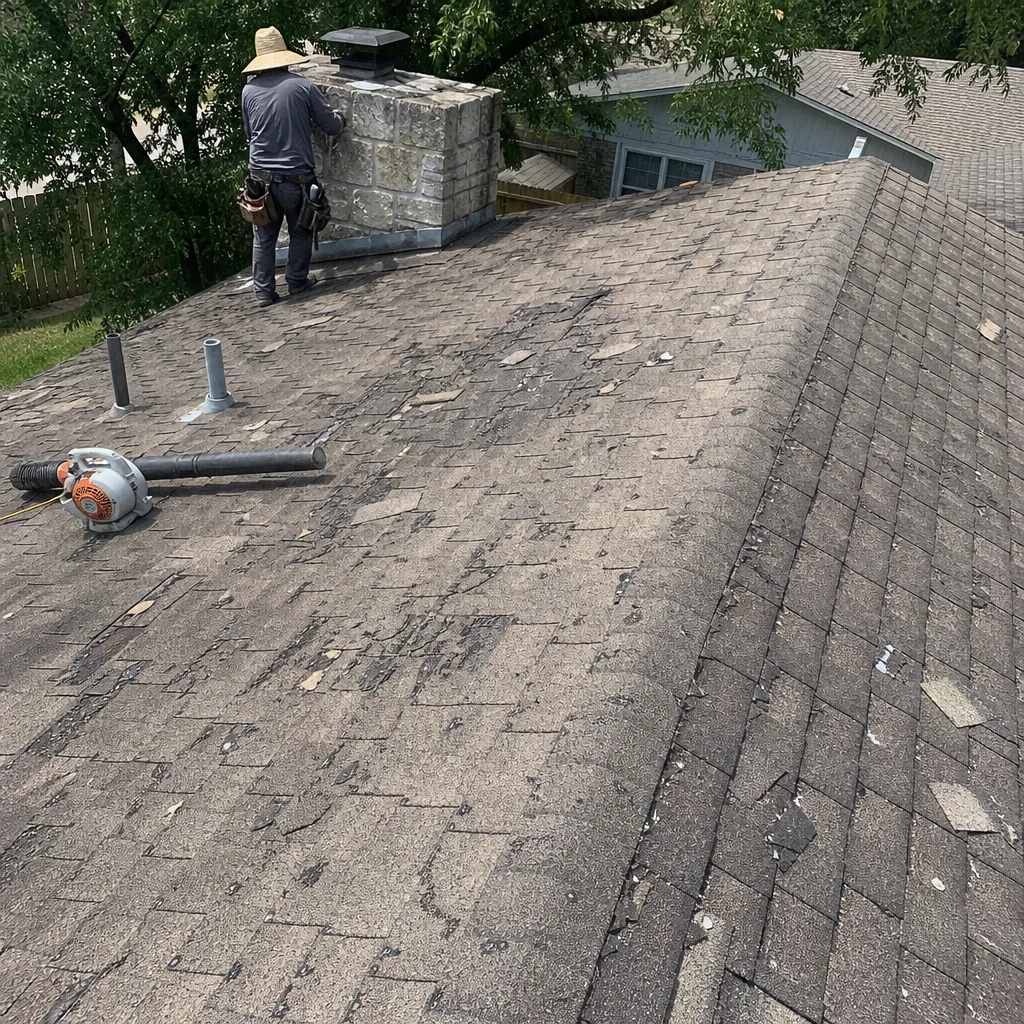 Before
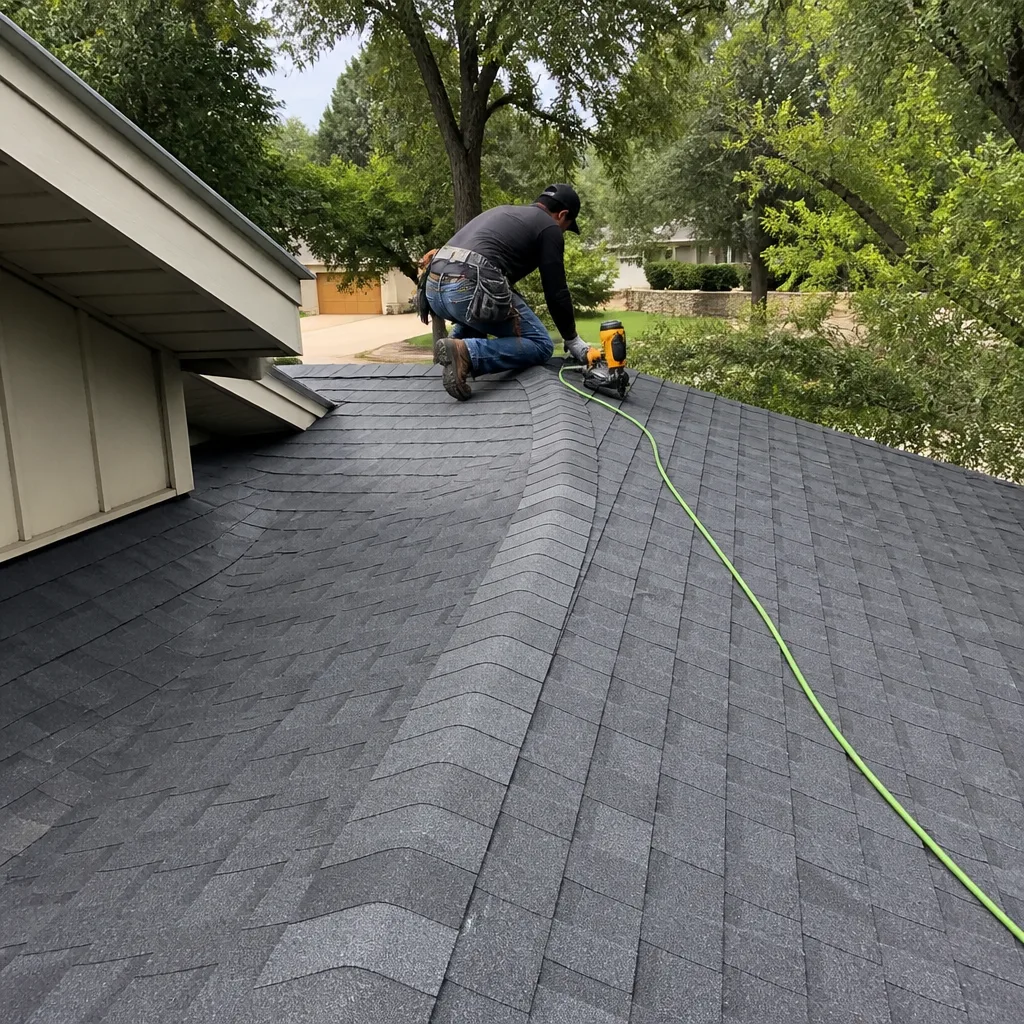 After
After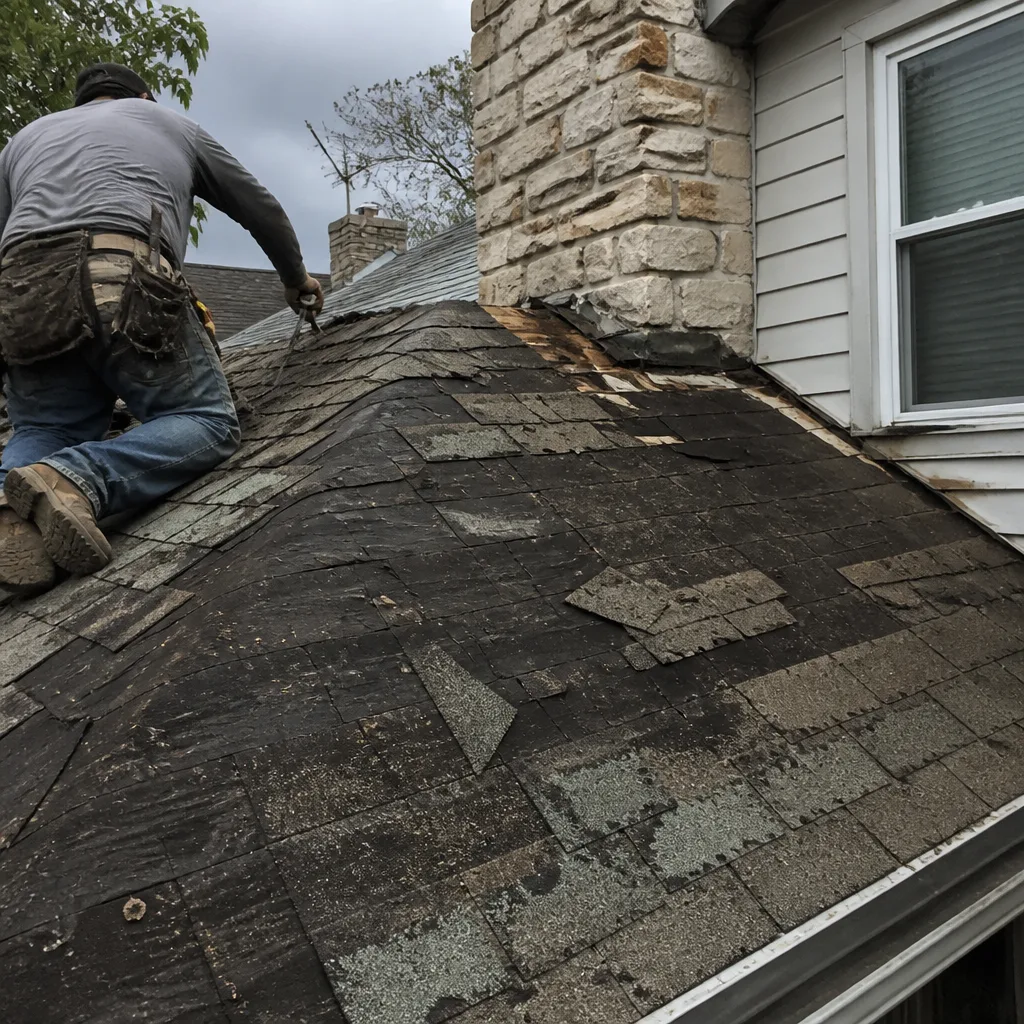 Before
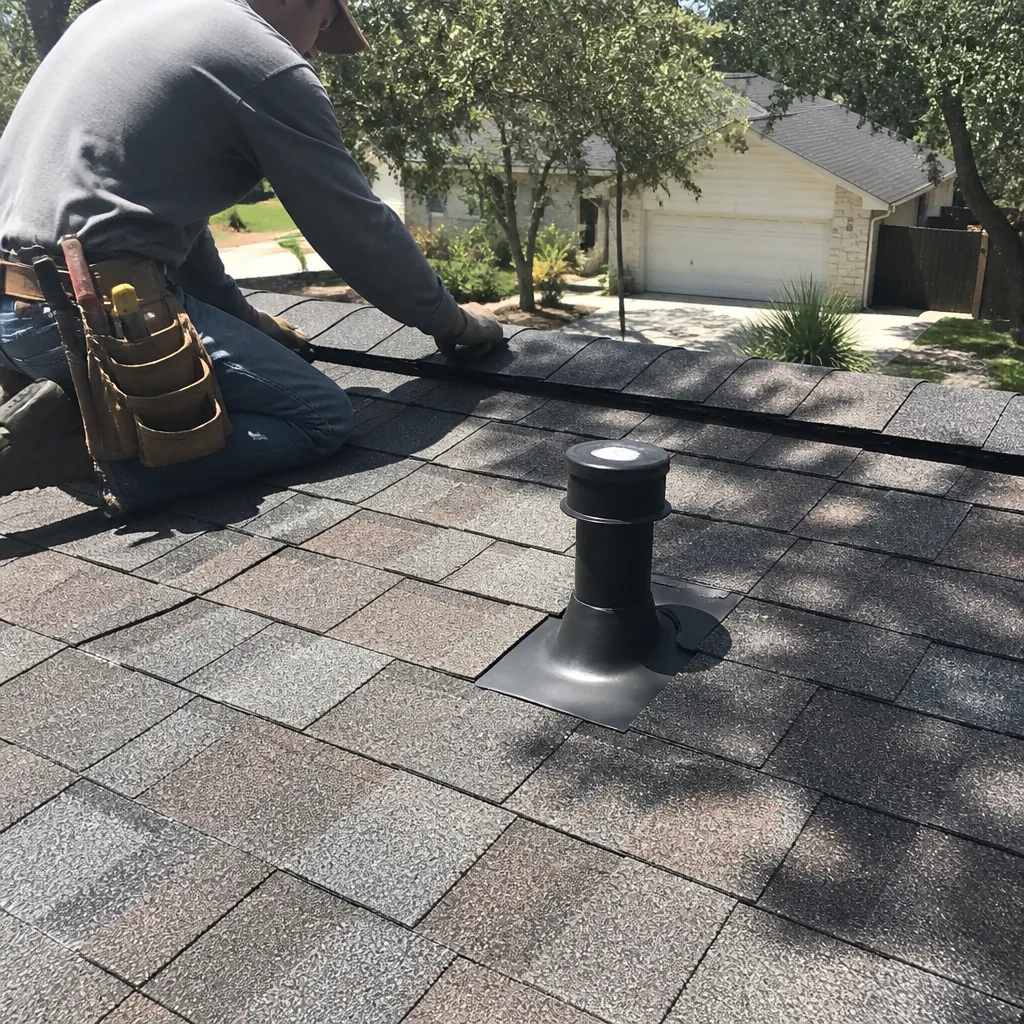 After
After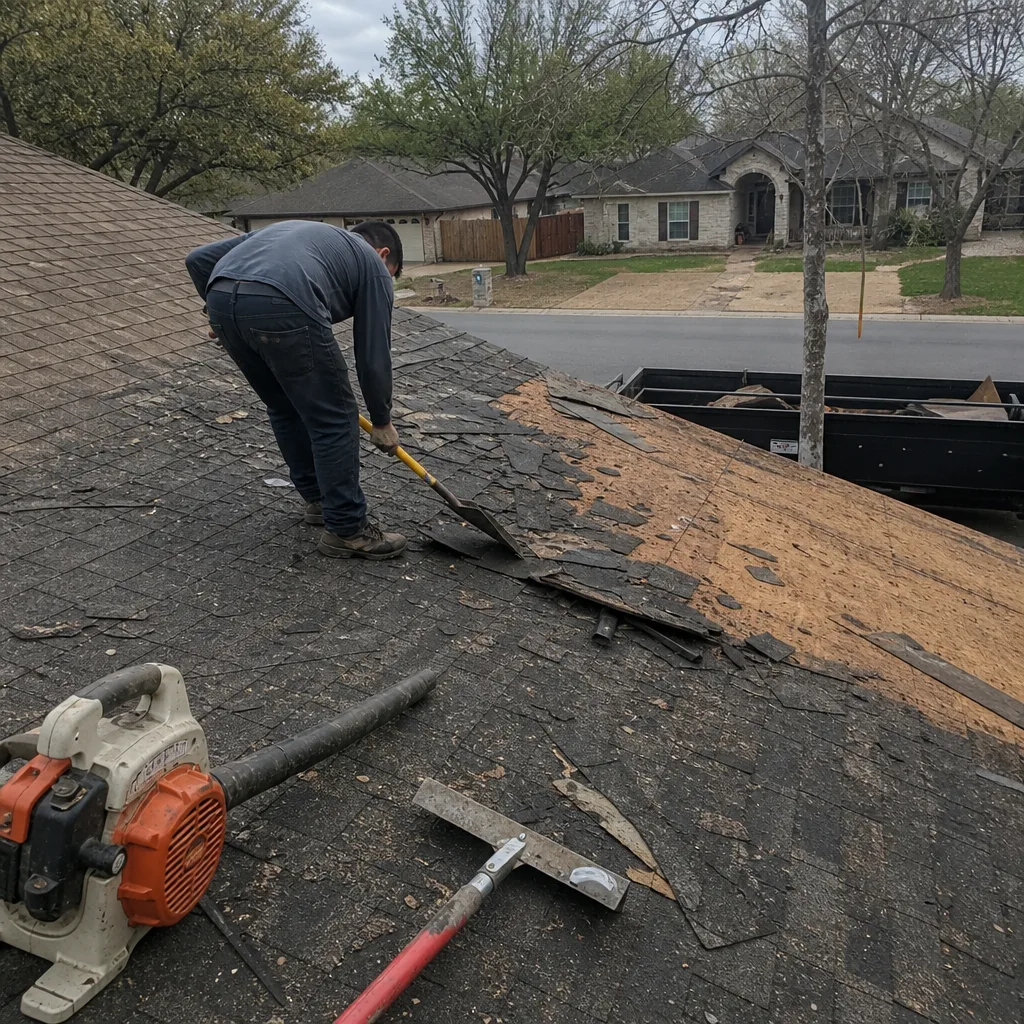 Before
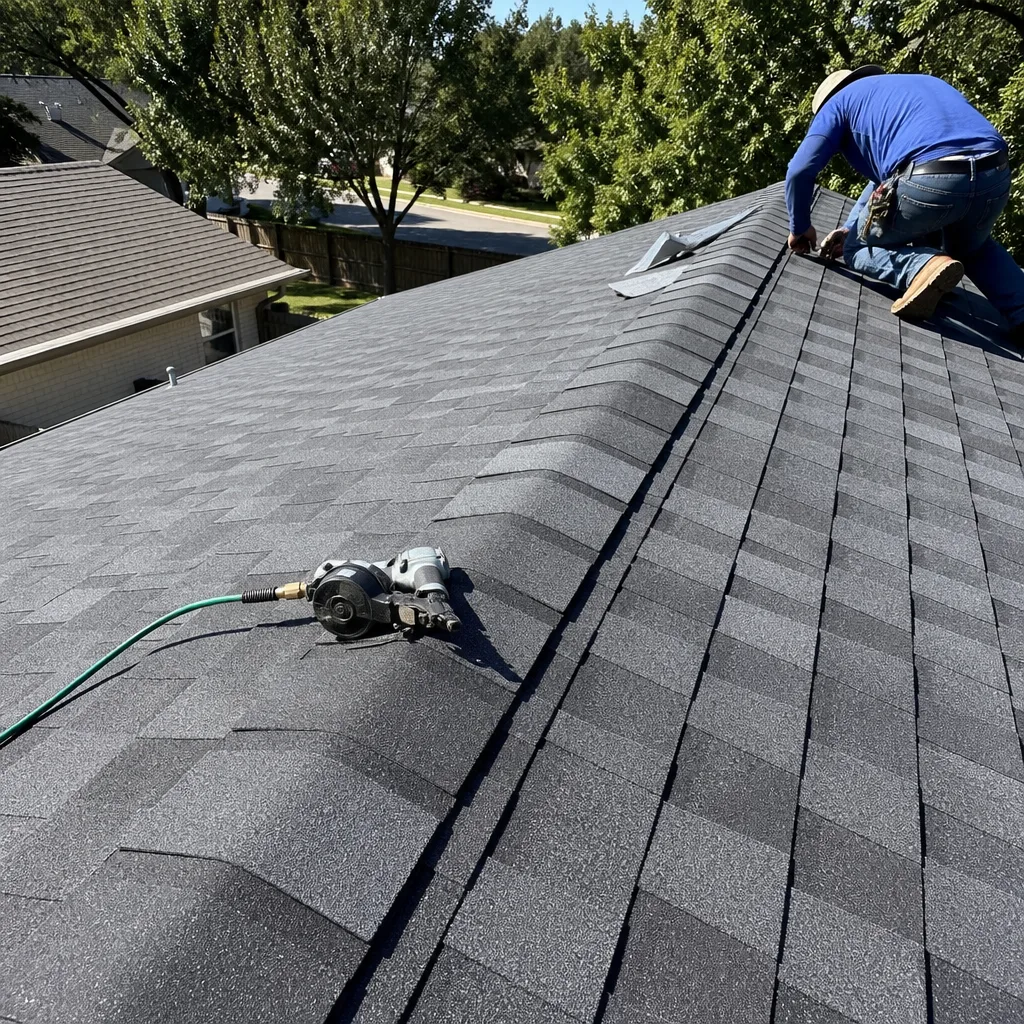 After
AfterReplacement Cost & What’s Included
Here’s the breakdown for underlayment and deck repair in Austin, based on what we’ve quoted across the city this year including Travis Heights, Mueller, and Crestview:
- Spot underlayment patch (single leak, no deck replacement): $450 to $750
- Full roof-side underlayment replacement (one slope, decking intact): $900 to $1,400
- Deck repair, 1 to 2 sheets of plywood replacement plus underlayment: $650 to $1,100
- Deck repair, 3 to 5 sheets plus full-slope underlayment replacement: $1,100 to $1,800
- Full roof deck replacement (entire home): $3,500 to $6,000 or more, depending on square footage and whether trusses need attention
Every quote includes the CertainTeed-compatible underlayment, decking matched to original thickness, fasteners, sealant, and labor. The written price you get before work starts is the price you pay, no change orders on a standard deck repair. We also put the warranty in writing before we leave your driveway: if the repair fails inside a year, we return at no charge under our 365-Day Done Right Promise. Greg Holloway has been reading Austin roofs long enough to know that a deck repair quote should match the roof he sees from the ladder, not a generic number from a pricing sheet.
DIY or Call Us?
What you can safely check from the ground or a ladder: look for lifted shingles, visible dark underlayment, and ceiling stains after rain. If you’re comfortable on a ladder, you can run a hand along the roof edge near gutters to feel for soft spots. What we’d caution against: pulling up shingles to inspect underlayment yourself. Once you break the seal on a CertainTeed shingle, you’ve just created a new leak point, and walking a roof with questionable decking is how homeowners end up with a foot through plywood and a much larger repair bill. Deck work is not a weekend project. If the deck is soft enough to need replacement, the roof is no longer safe to walk without a harness and a plan. Call us at (254) 540-7345 and we’ll send a background-checked, uniformed technician to assess it. Tell me the roof, I’ll tell you the price, no surprises once we’re up there.
FAQs
CertainTeed’s synthetic underlayment lines are designed to last 20 to 30 years when properly installed, but the decking underneath is the weak link in Austin’s climate. Once water gets trapped, a plywood deck can rot through in as little as 3 to 5 years. The underlayment itself rarely fails first on its own. It fails because the deck swelled, a nail backed out, or a tree branch tore a hole that went unnoticed. If you’re seeing leaks at year 12 or 15 on a roof, the underlayment is often still serviceable, and the problem is a localized penetration or flashing failure. Call (254) 540-7345 and we’ll tell you which one you’re dealing with, before you spend money on the wrong fix.
Yes, a torn or punctured section of CertainTeed underlayment can be patched, provided the decking underneath is still solid and dry. The patch requires lifting the surrounding shingles, cutting out the damaged section, laying in fresh underlayment with proper overlap, and resealing the shingles. If the area is larger than about 4 square feet or is near a valley, pipe boot, or chimney, we usually recommend replacing the full slope’s underlayment instead, because patch seams in high-stress areas fail sooner than the customer deserves. The free estimate will tell you which path makes sense.
A standard spot repair with one or two sheets of decking usually takes our crew half a day from setup to cleanup. A full-slope underlayment replacement runs one full day. If we’re replacing a full roof deck, plan on two to three days depending on the home’s footprint and whether we’re re-shingling the same week. We leave the property cleaner than we found it, which in Austin means watching for nails in the grass, especially if you’ve got kids or dogs in the yard.
Yes, we carry RoofRunner and WinterGuard on our trucks as standard stock, along with common decking thicknesses. DiamondDeck is available same-week through our local Austin supplier and we can often have it on-site within a day or two. If you’re not sure which product your roof needs, call (254) 540-7345 and a technician will identify it on-site and give you a written price before any work begins.
If your CertainTeed roof is showing any of the signs above, or you just want a professional assessment before the next storm, call Tilehurst Roofing Austin at (254) 540-7345. We answer live, 24 hours a day, and the estimate is free. We’ll show up in the window we give you, put the price in your hands before any work starts, and back every repair with a written guarantee and the 365-Day Done Right Promise.
Written by Greg Holloway, Owner, Tilehurst Roofing Austin at Tilehurst Roofing Austin, serving Austin and nearby areas.